For homes and rentals
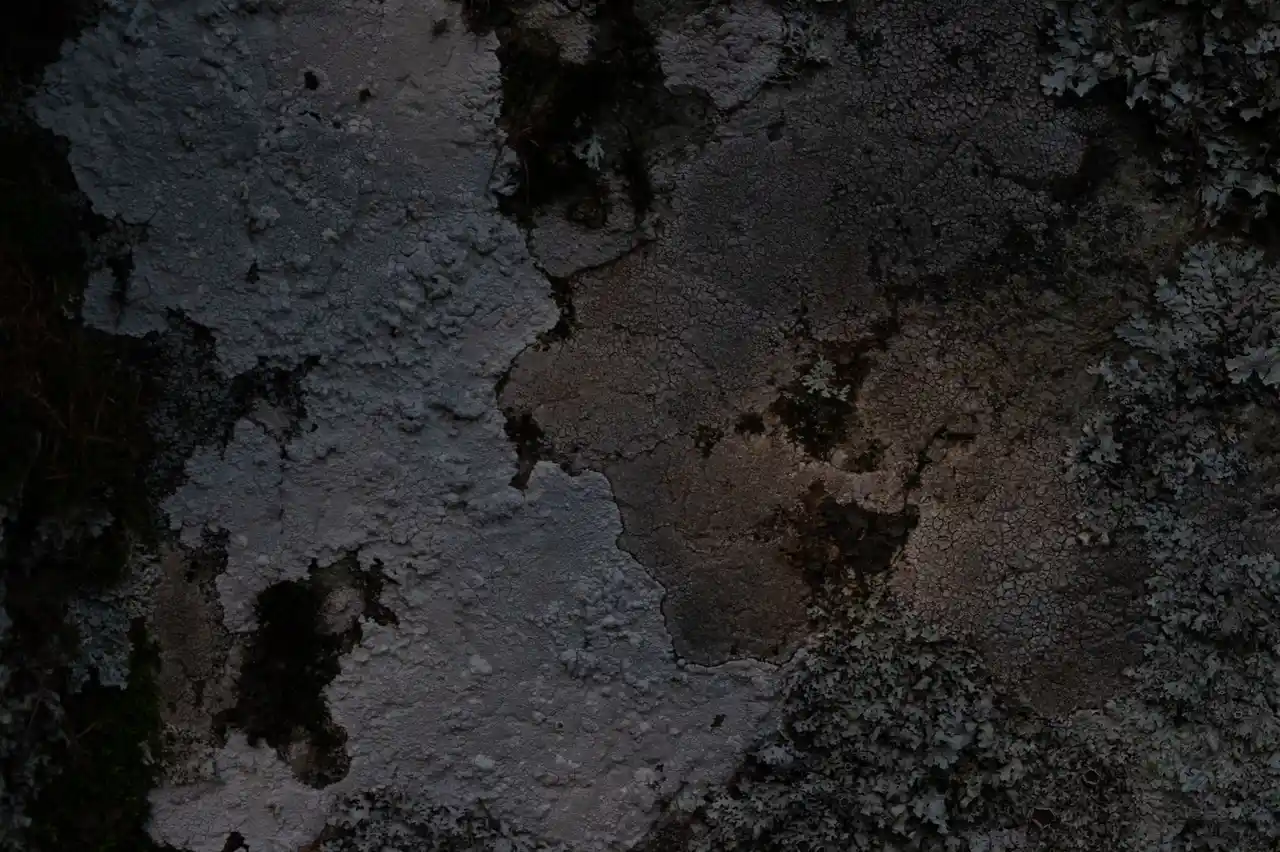
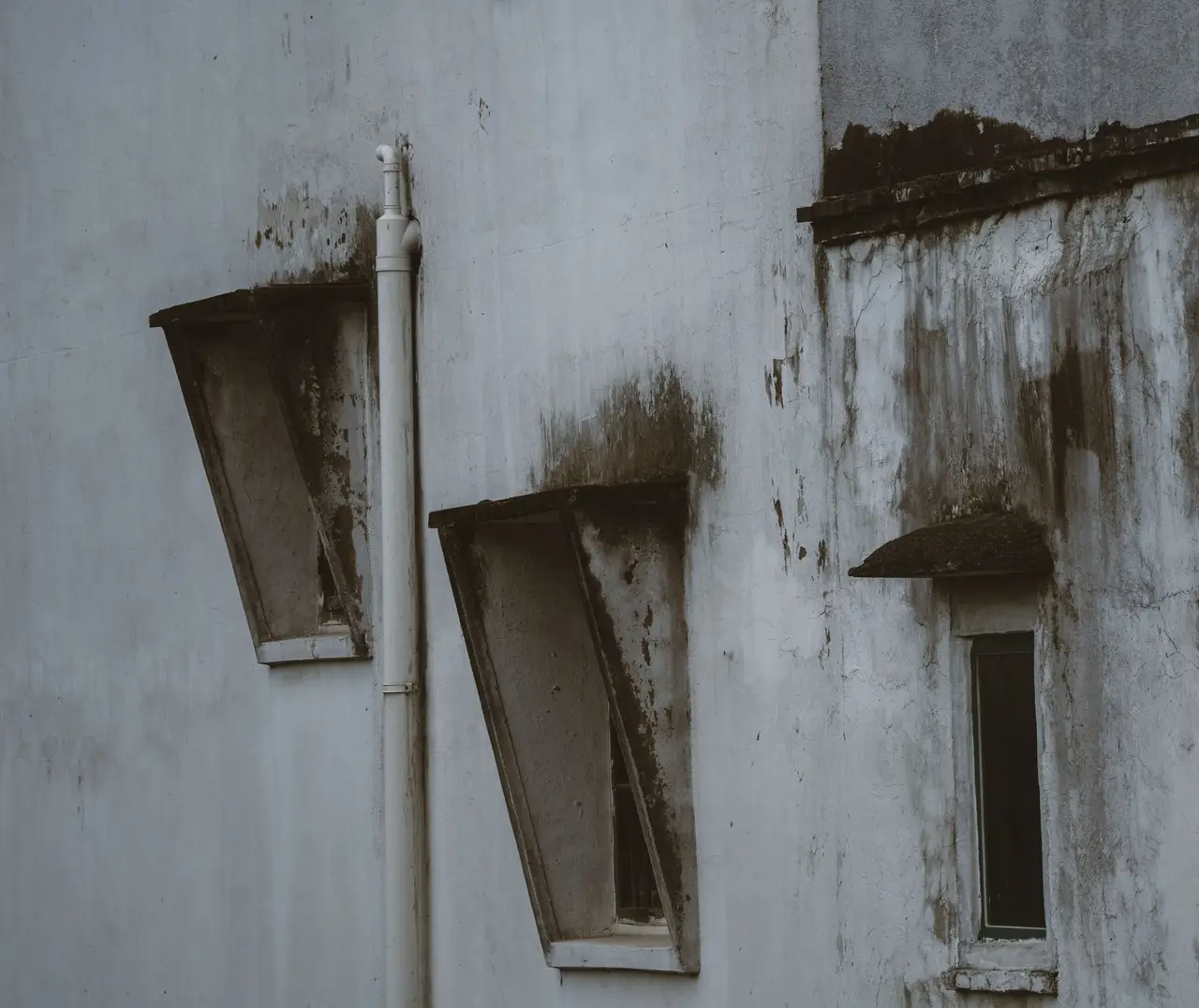
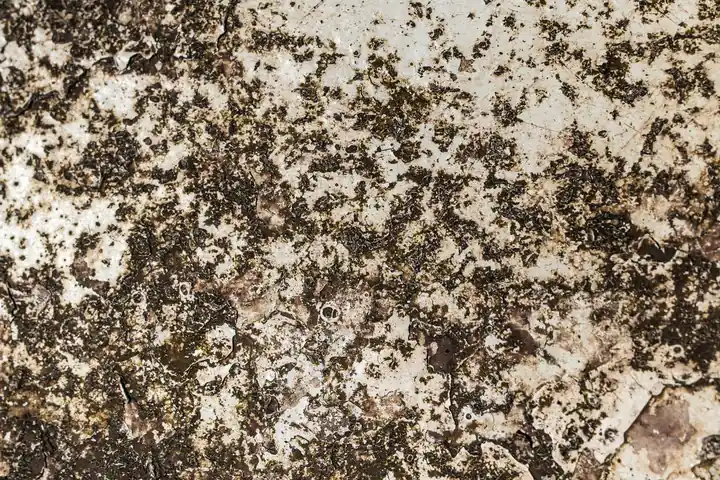
Mold in a home or rental affects your family or tenants. We inspect, contain, and remove mold from living spaces, attics, and crawl spaces.
- Musty odors in living areas
- Roof leaks soaking ceilings
- Plumbing leaks behind walls
Commercial Mold Remediation in Dallas is built for property managers, restaurant owners, and facility directors who cannot afford a shutdown. We locate the moisture source, contain the affected area, and remove mold from drywall, ceilings, and HVAC systems. Our team works after hours when needed, documents every step, and leaves you with a space that passes inspection and is ready for staff and customers.
 Moisture mappingContainment setupClearance testing
Every commercial job includes inspection, containment, removal, cleaning, and documentation. We tell you upfront what is covered and what depends on the condition of your building. No surprises, no hidden add-ons.
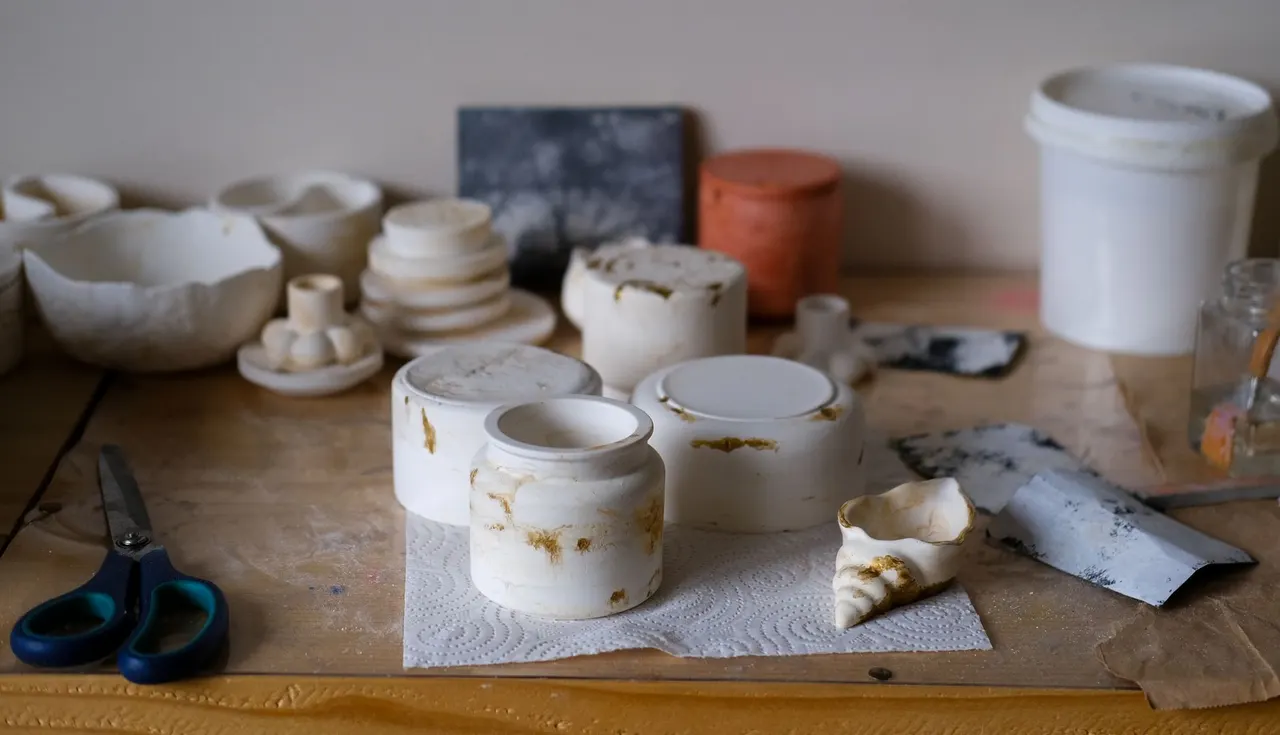
We use thermal imaging cameras, moisture meters, and a boroscope to find every affected area. Air samples go to a lab when needed. You get a written report with photos and moisture readings within 24 hours.
We build sealed work zones with polyethylene sheeting and duct sealant. Negative air machines and air scrubbers with HEPA filters run during the entire job. This protects clean areas of your building from cross-contamination.
We remove moldy drywall, insulation, ceiling tiles, and other porous materials. HEPA vacuums capture surface spores. All debris is bagged and disposed of according to Texas regulations. We treat framing with Fiberlock or Concrobium.
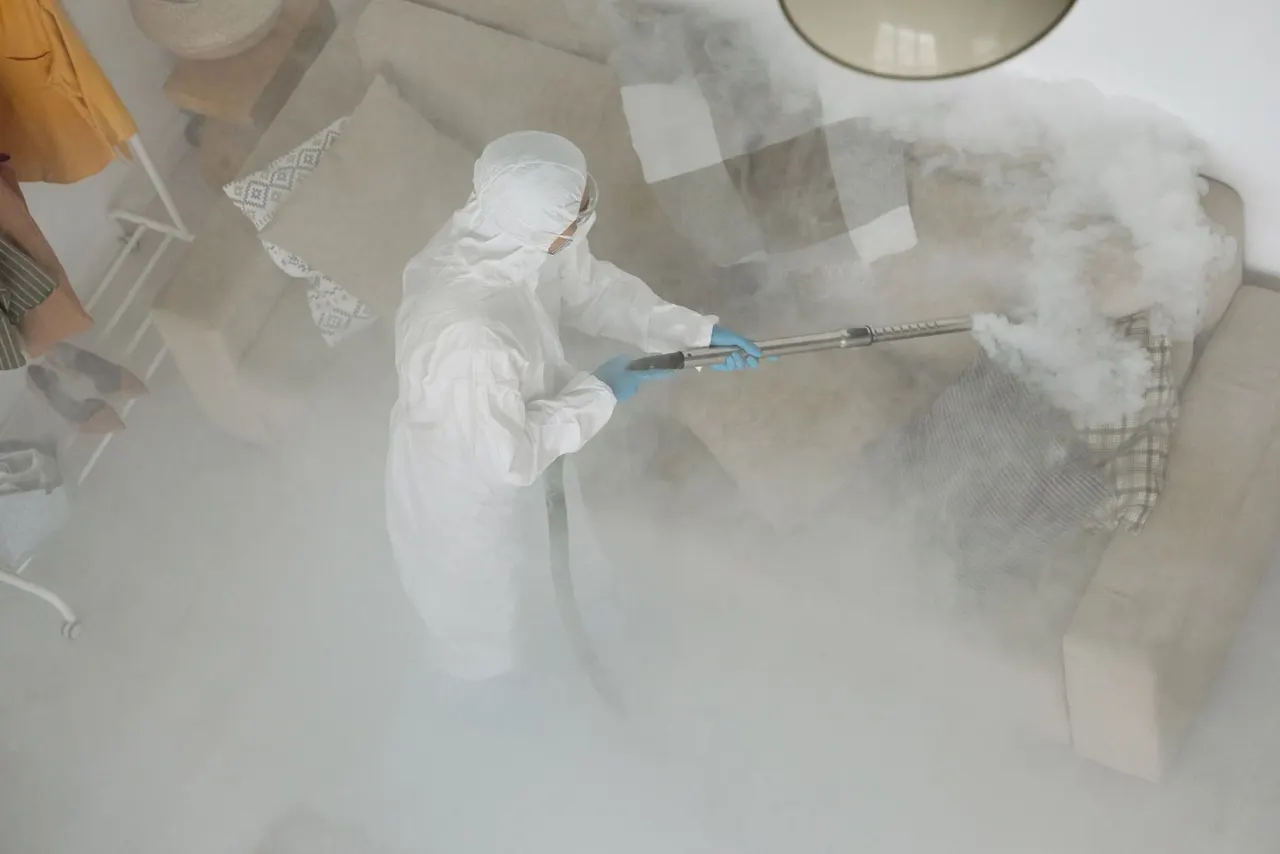
After removal, we apply antimicrobial spray and encapsulation coating to wood framing, concrete, and ductwork. A fogger reaches ceiling cavities and other tight spaces. This stops mold from regrowing on surfaces that stay.
We take final air samples and moisture readings. If the lab clears the space, we remove containment. You get a photo log, lab results, and a written summary of the moisture source so you can schedule repairs.
We install mold-resistant drywall and rebuild what we removed. The finish matches your existing space. Most commercial jobs are ready for business within 3 to 7 days from start to finish.
The approach is the same for a home and a business. What changes is the access, the schedule and who needs the paperwork.
Mold in a home or rental affects your family or tenants. We inspect, contain, and remove mold from living spaces, attics, and crawl spaces.
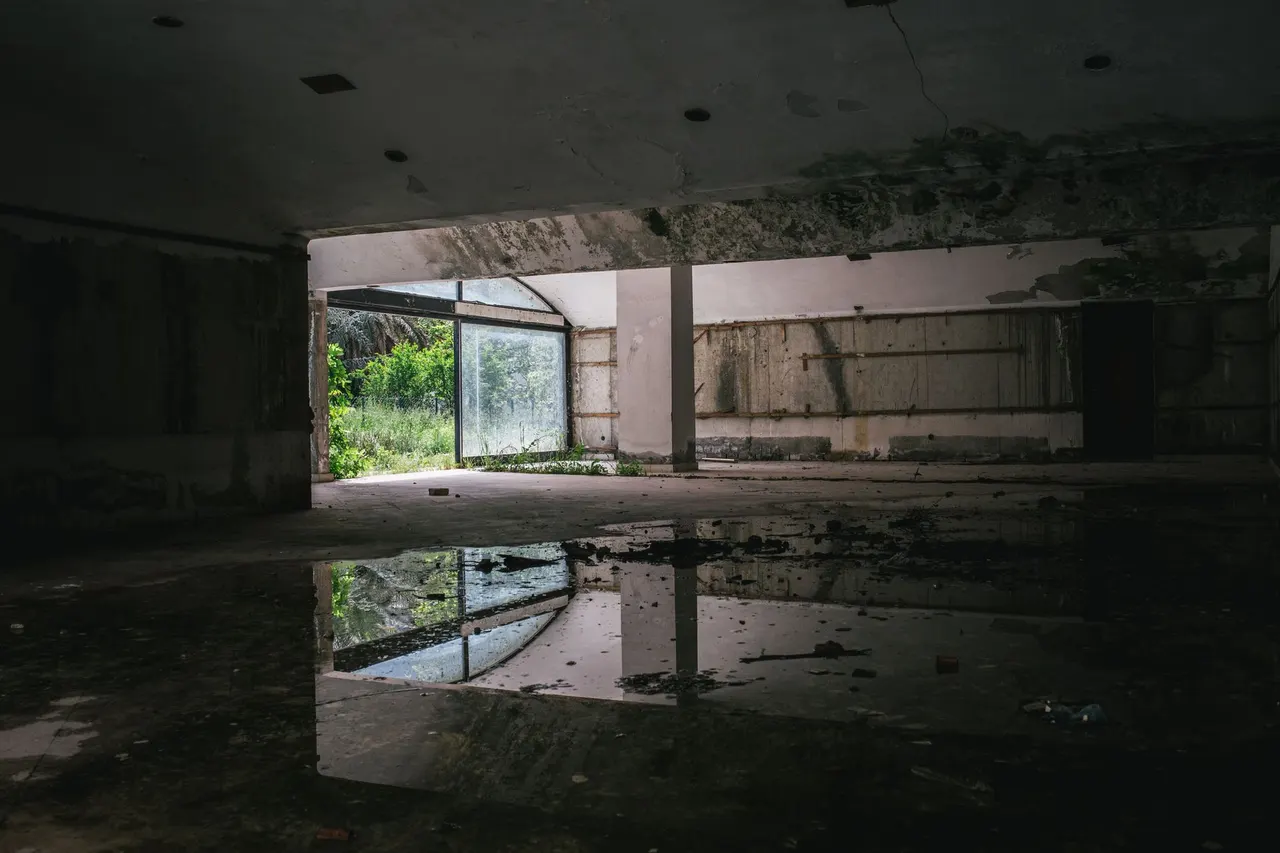
Mold in a commercial space affects operations, tenants, and inspections. We work after hours and document everything for your records.
A plain-language look at what Commercial Mold Remediation involves and when it is needed.
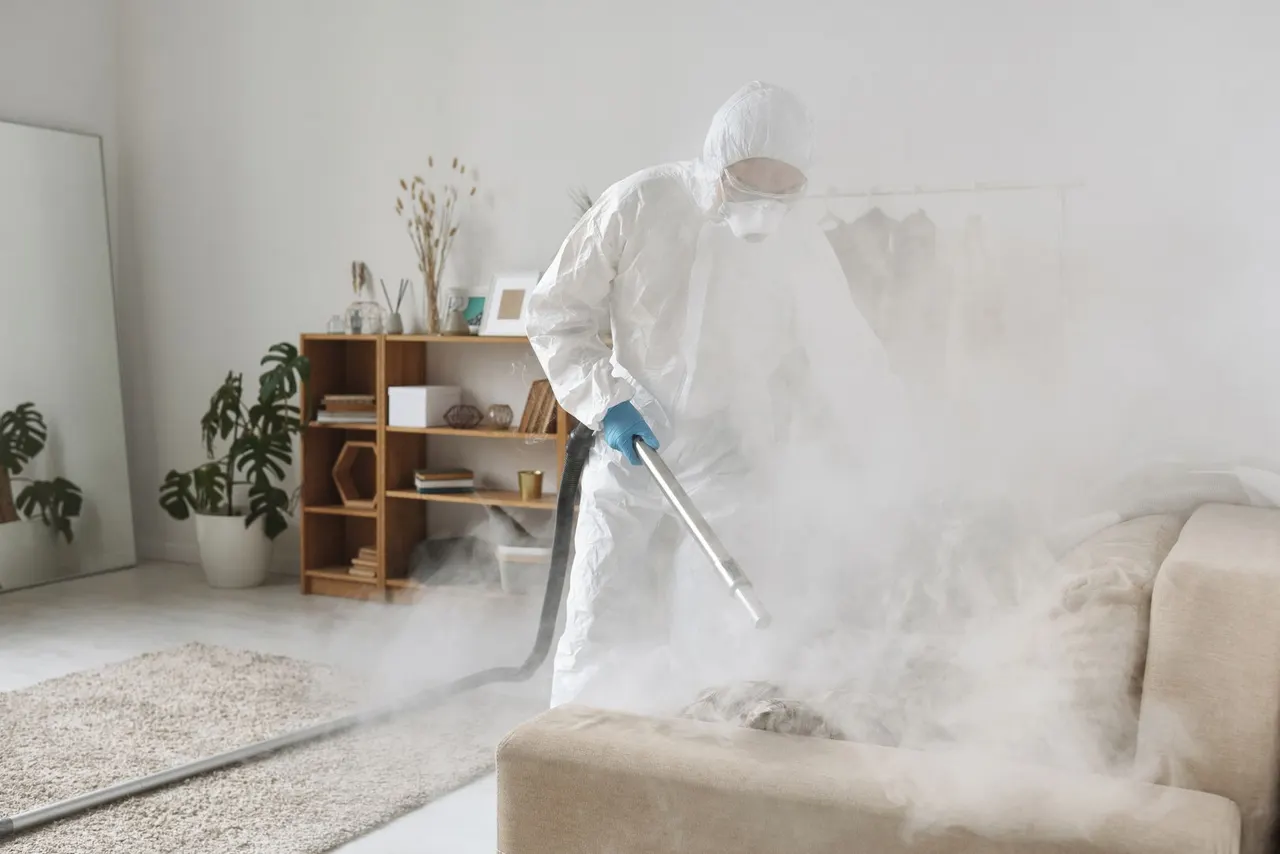
See how it worksCommercial Mold Remediation in Dallas is the process of finding mold growth in a business, stopping the moisture that feeds it, and removing contaminated materials without spreading spores to clean areas. We set up polyethylene sheeting and negative air machines to keep the work zone sealed. Air scrubbers with HEPA filters run continuously. We use thermal imaging cameras and moisture meters to trace hidden water, then remove mold from drywall, insulation, ceiling tiles, and ductwork. Every surface gets an antimicrobial spray or encapsulation coating before we rebuild.
Dallas businesses call us for the same handful of reasons. A roof leak soaks ceiling tiles in a retail store. A plumbing leak behind a restaurant prep line feeds black mold for weeks before anyone notices. High humidity and condensation in a warehouse keep shelving and pallets damp year-round. When you search for commercial mold remediation near me Dallas TX, you want a crew that understands how quickly mold can shut down an inspection or sicken employees.
Fixing mold means fixing the water source first, then removing what is contaminated.
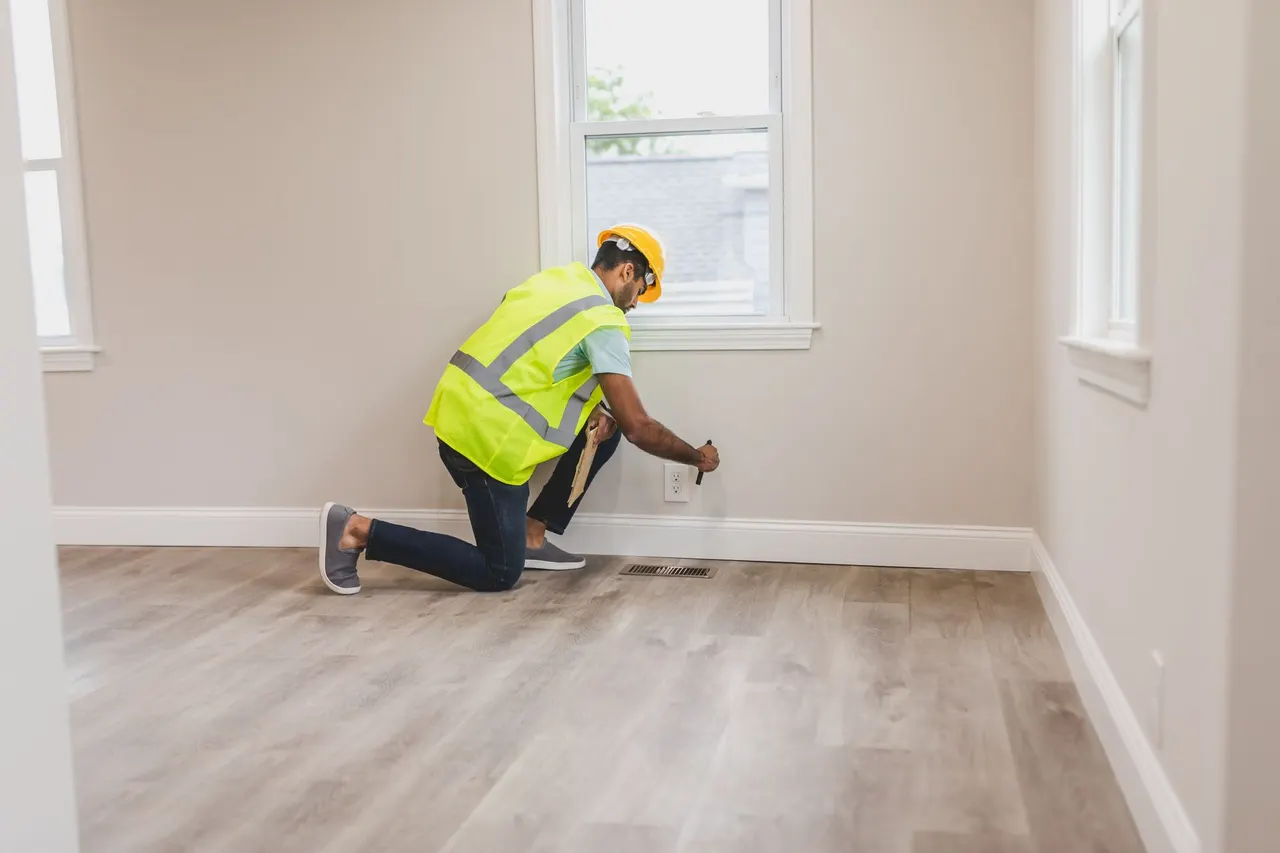
Every business mold remediation Dallas TX project follows the same five steps. You will know what is happening, who is doing it, and how long it takes before we start.
We walk the property with thermal imaging cameras, moisture meters, and a boroscope to find hidden mold and water. Air samples go to a lab when needed. You get a written report within 24 hours that shows affected areas, moisture readings, and the mold type. This is the commercial mold inspection Dallas TX step that tells us how big the job really is.
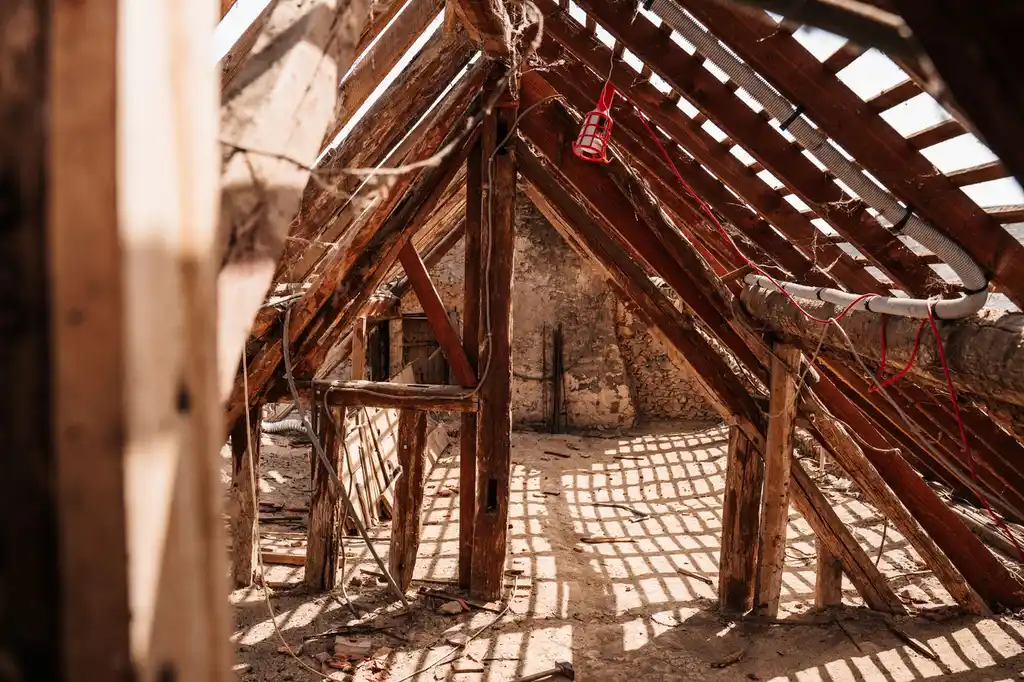
We build a sealed work zone with polyethylene sheeting and duct sealant. Negative air machines pull air out of the containment so spores cannot escape. Air scrubbers with HEPA filters run 24 hours a day during the job. Setup takes 2 to 4 hours on a typical office or retail space.
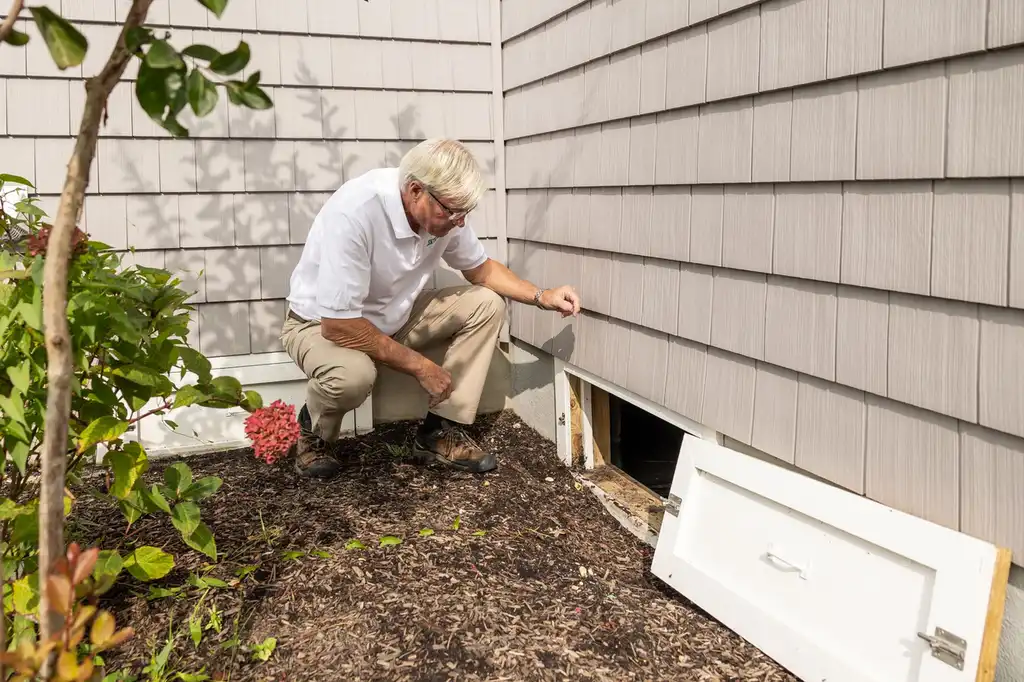
We remove moldy drywall, insulation, ceiling tiles, and any porous materials that cannot be saved. HEPA vacuums capture surface spores. We use Fiberlock and Concrobium products to treat framing and structural surfaces. A fogger applies antimicrobial spray to hard-to-reach areas like ductwork and ceiling cavities.
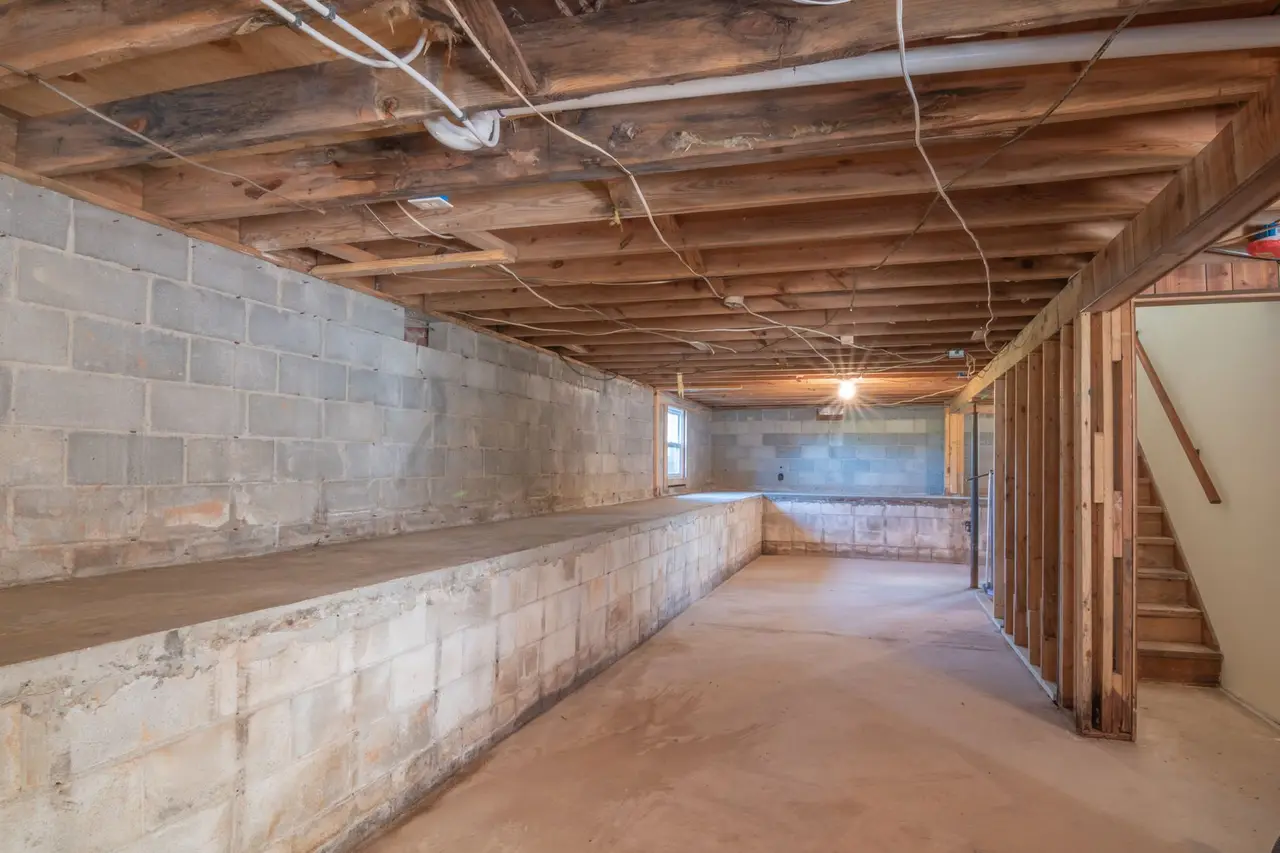
After removal, we clean every surface inside the containment with Benefect or RMR-86. Encapsulation coating goes on wood framing and concrete. We take final moisture readings and air samples. If the lab clears the space, we remove containment. If not, we repeat the cleaning step until it passes.
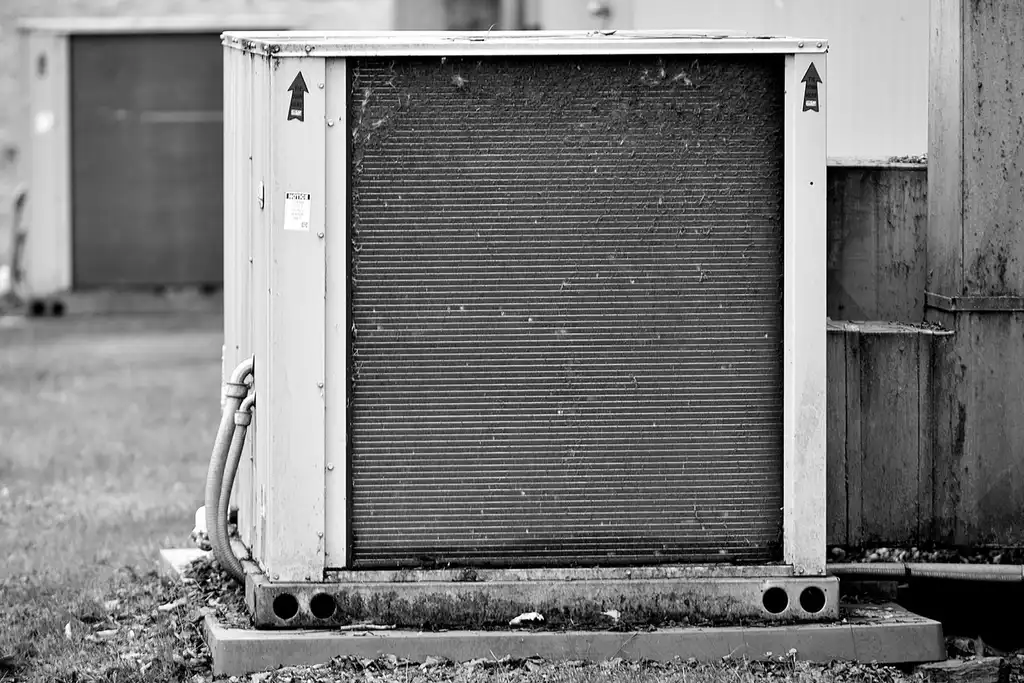
We install mold-resistant drywall and rebuild what we removed. You get a photo log, lab results, and a written summary of the moisture source so you can schedule the plumber or roofer. Most commercial jobs wrap in 3 to 7 days. Emergency commercial mold removal Dallas calls get same-day containment.
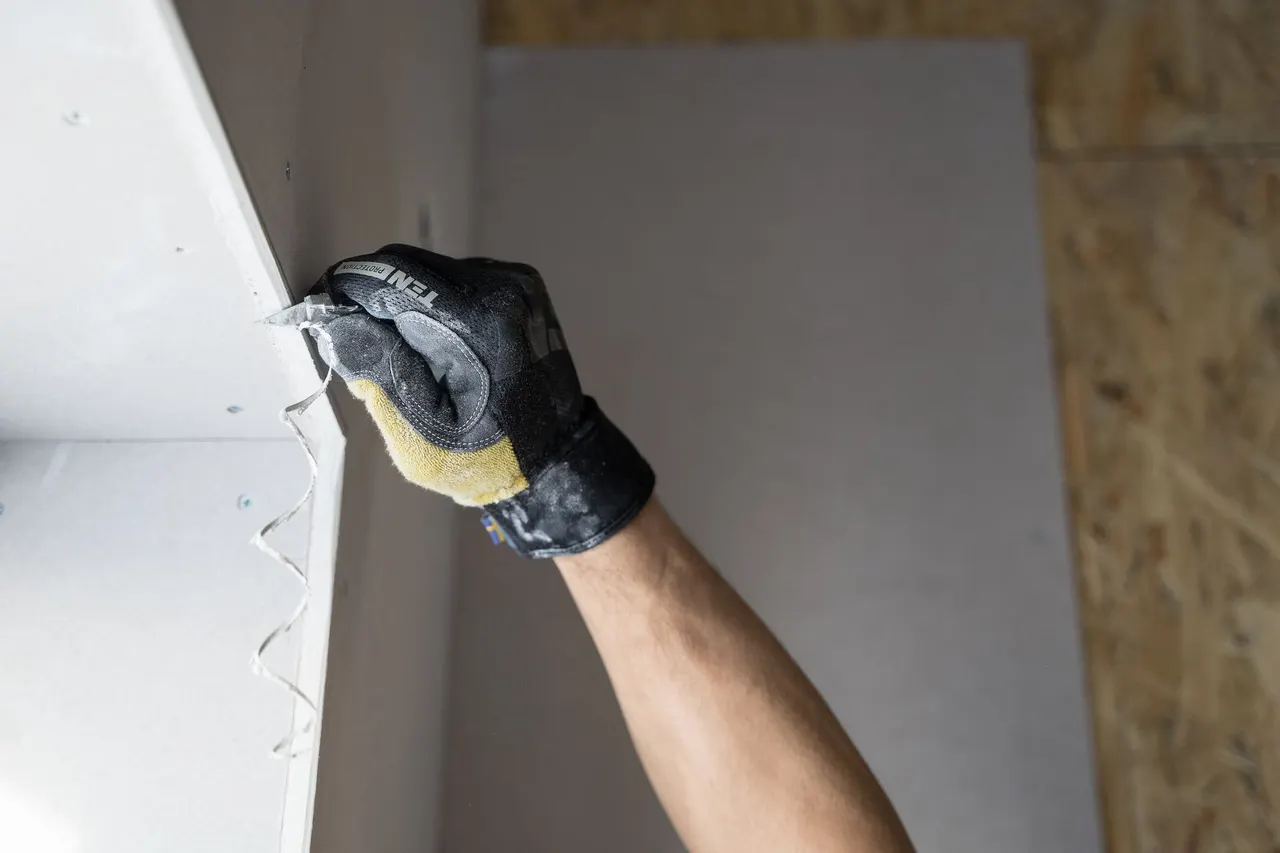
Move across a circle, or focus it and press Enter, for an illustrative thermal view of the photograph.
Finds hidden moisture behind walls, above ceilings, and under floors without tearing anything open. We use it during every commercial mold inspection Dallas TX to map the full extent of the problem.
Reads exact moisture content in drywall, wood, and concrete. We use it to confirm the source of the problem and to verify the space is dry before we close walls.
Pulls air out of the containment zone so mold spores cannot escape into clean areas. We run these continuously during removal and cleaning.
Filters airborne spores and dust down to 0.3 microns. We place these inside the containment to keep the air clean and protect workers.

Captures surface mold spores from framing, ducts, and hard surfaces without spreading them into the air. Standard equipment on every job.
Thermal views are illustrative, generated from the photographs.
Applies antimicrobial spray to ceiling cavities, ductwork, and other tight spaces that are hard to reach by hand. Ensures full coverage after removal.
Lets us see inside wall cavities and ductwork without cutting large holes. We use it to confirm mold growth in hidden areas before we open them up.
This is the industry standard for mold remediation. It covers inspection, containment, removal, cleaning, and clearance. We follow it on every commercial job so your documentation stands up to insurance and inspection review.
We seal the work zone with polyethylene sheeting and duct sealant, then pull air out with negative air machines. This keeps spores from spreading to clean areas of your building. It is the single most important step in preventing cross-contamination.
Air scrubbers with HEPA filters run 24 hours a day during the job. They capture airborne spores and dust so the air inside the containment stays clean. This protects workers and speeds up clearance testing.
After removal, we apply antimicrobial spray and encapsulation coating to framing, concrete, and ductwork. This stops mold from regrowing on surfaces that stay. We use Fiberlock, Concrobium, Benefect, and RMR-86 products depending on the surface.
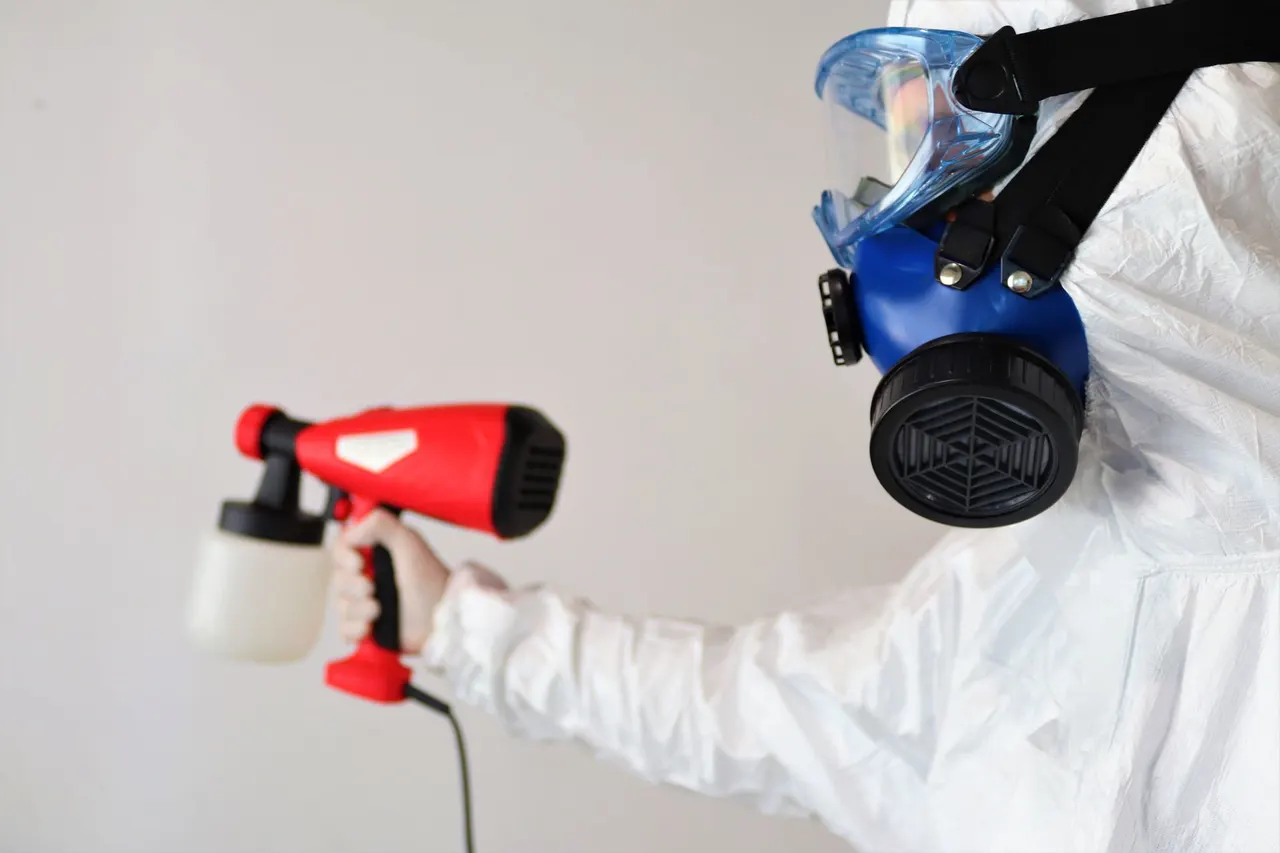
A restaurant in Deep Ellum finds black mold behind the prep line after a slow plumbing leak.
We contain the kitchen area overnight, remove moldy drywall and insulation, and treat framing with antimicrobial spray. The work happens after closing so lunch service is not affected. We document everything for the health inspector.
Outcome: The restaurant reopens the affected zone in 3 days. The health inspector passes the space without citations. The owner schedules a plumber to fix the leak before we close the wall.
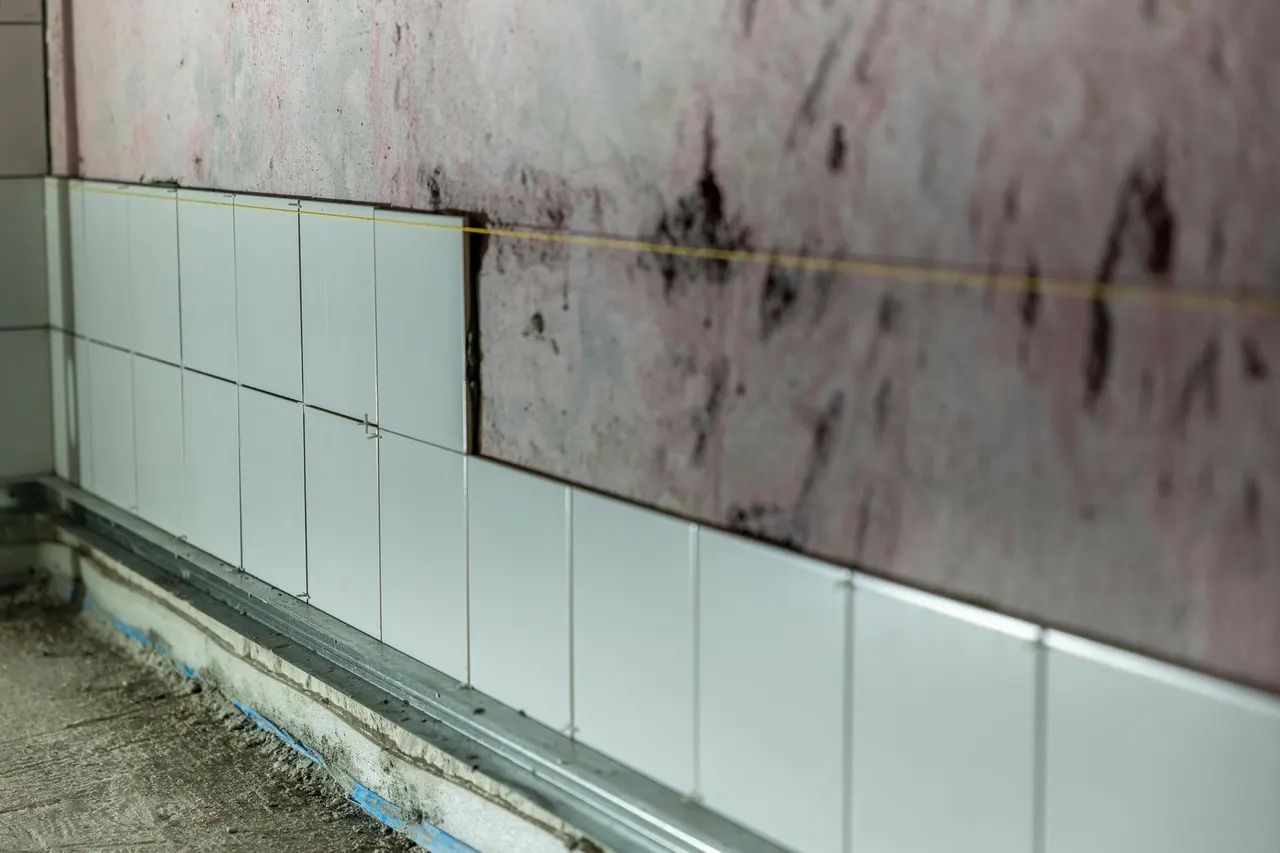
An office building in Uptown Dallas has musty odors in multiple suites from HVAC condensation.
We inspect the ductwork with a boroscope, find mold growth inside the system, and clean it with HEPA vacuums. A fogger applies antimicrobial spray to the ducts. We also check the HVAC units and tell the property manager what needs adjusting.
Outcome: Tenant complaints stop within a week. The property manager gets a documented report showing the mold is gone. The HVAC contractor fixes the condensation problem so it does not return.
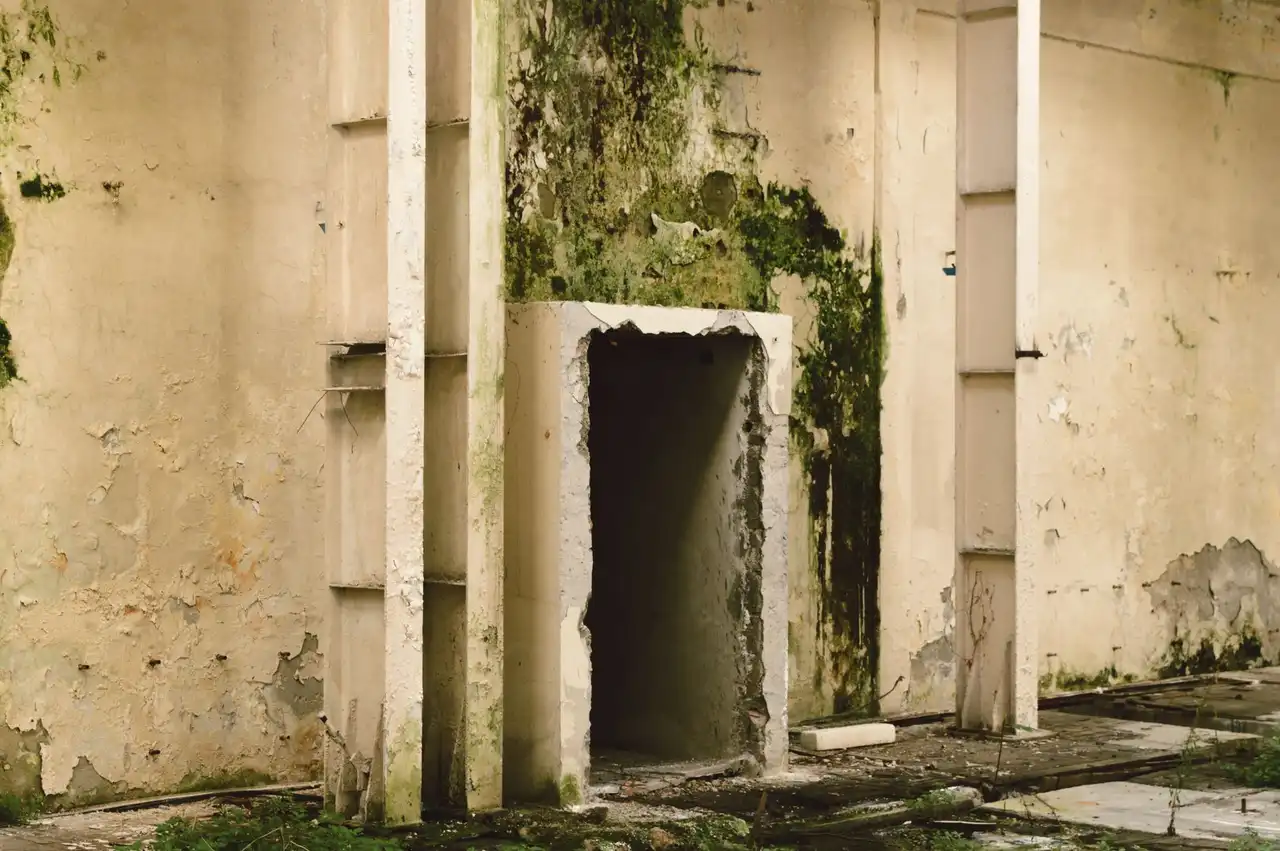
A warehouse in Pleasant Grove has mold on pallets and shelving from years of high humidity.
We set up containment around affected areas, run commercial dehumidifiers, and remove mold from shelving and walls. Inventory that can be saved gets cleaned and treated. Encapsulation coating goes on structural surfaces.
Outcome: The warehouse is dry and mold-free in 10 days. The manager installs humidity controls based on our recommendations. Six months later, no new mold growth.
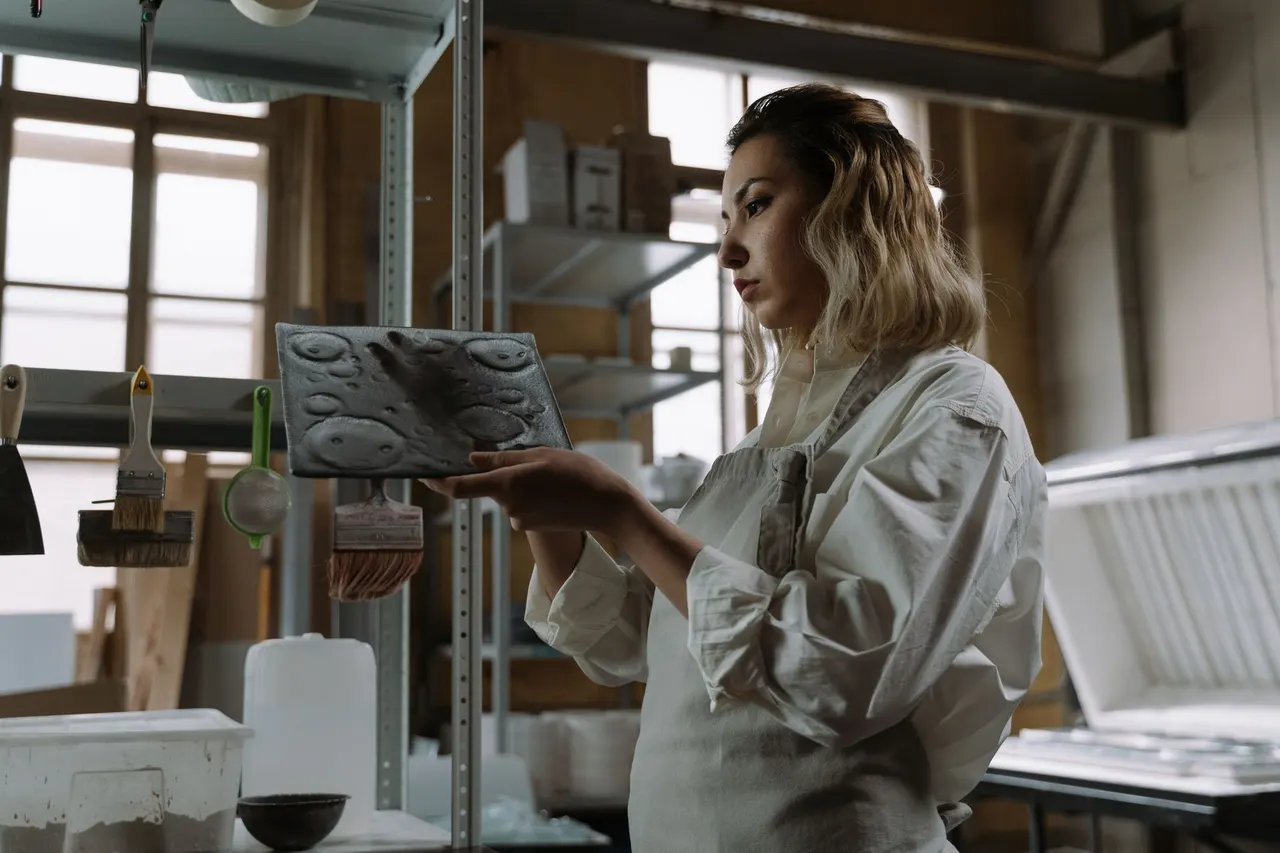
A retail store in Lakewood has moldy ceiling tiles from a roof leak after a spring storm.
We contain the sales floor section, remove moldy tiles and insulation, and treat the framing above. We tell the owner what the roofer needs to fix. New mold-resistant tiles go up after the leak is repaired.
Outcome: The store stays open during the work. The affected section is back to normal in 4 days. The owner has documentation for the insurance claim.
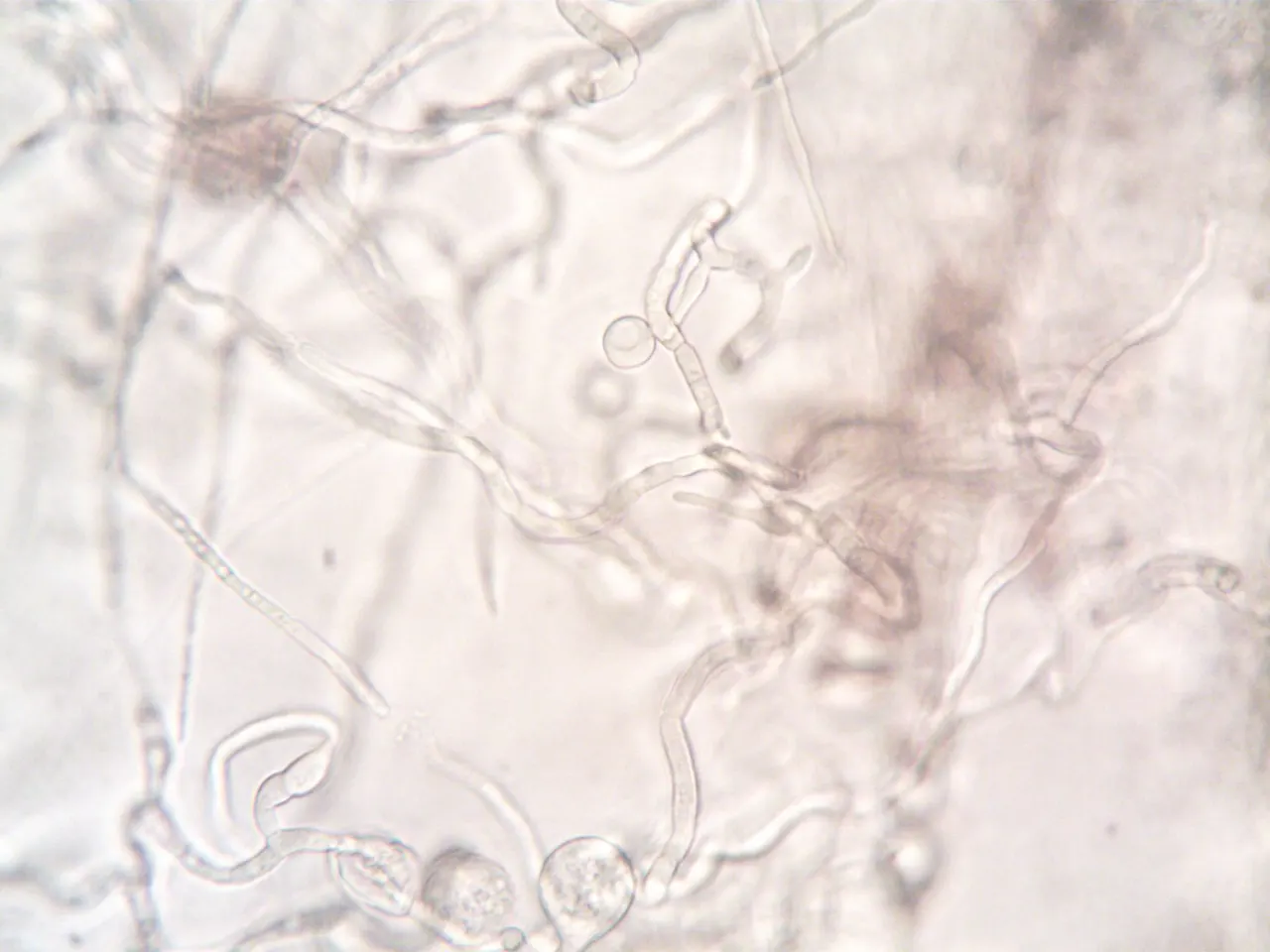
A medical office in Preston Hollow needs emergency mold removal after a pipe burst over the weekend.
We respond within 2 hours, contain the affected suites, and start water extraction and mold removal. Negative air machines and air scrubbers run continuously. We work around patient schedules to minimize disruption.
Outcome: The office reopens for patients in 5 days. Lab results confirm the space is clear. The practice manager gets a full documentation packet for the landlord and insurance.
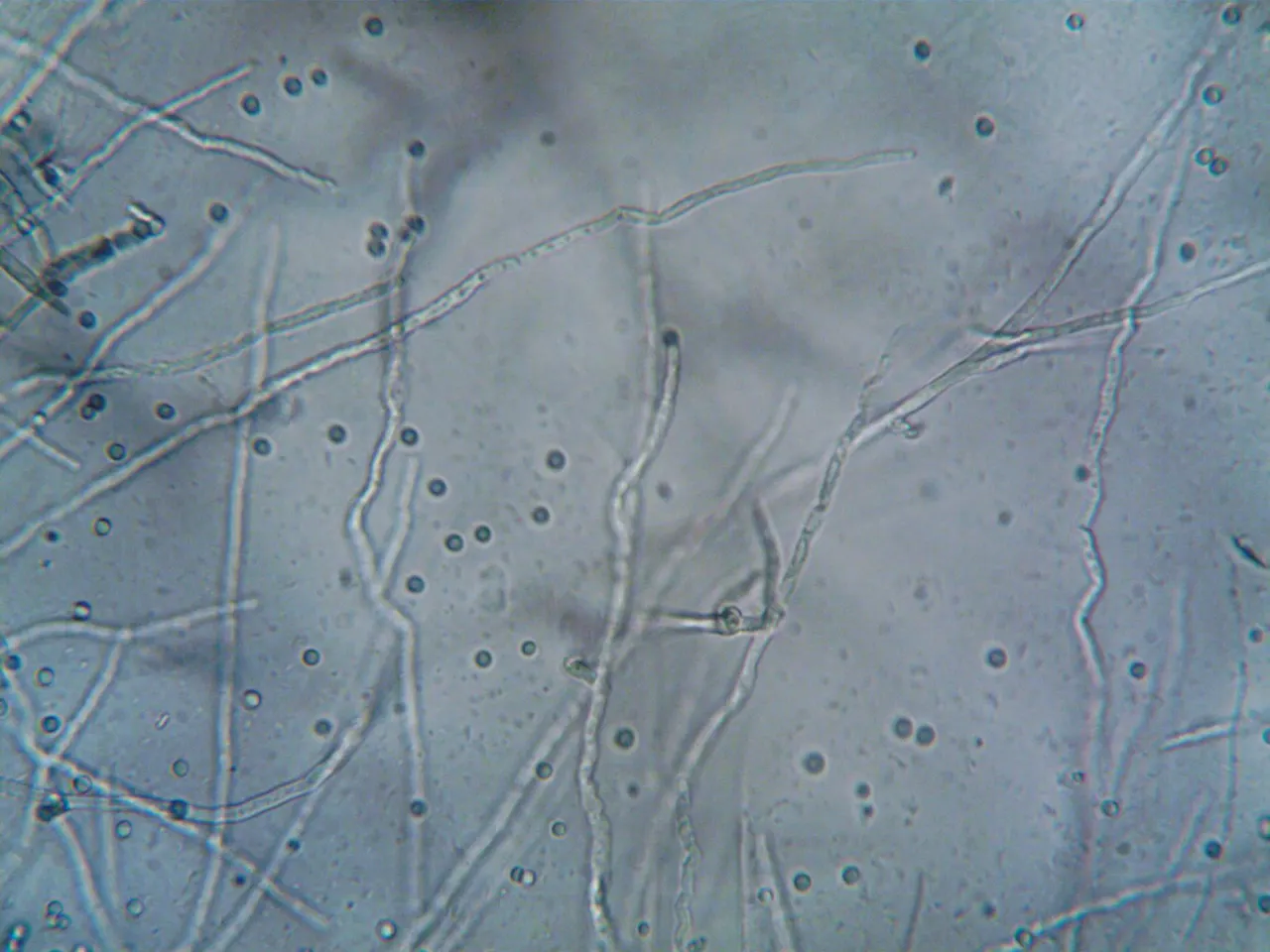
Dallas has a mold problem that comes from three directions: humidity, roof leaks, and HVAC condensation. Summer humidity sits above 60 percent for months, and commercial buildings with flat roofs leak every time a spring storm rolls through. We see mold in office buildings in Downtown Dallas, restaurants in Deep Ellum, warehouses in Pleasant Grove, and retail centers in Lakewood. The building stock matters too.
Older buildings in Oak Cliff and East Dallas often have original plumbing and inadequate ventilation. Newer construction in Uptown and Victory Park has tighter envelopes that trap moisture from HVAC systems. We handle commercial mold cleanup Dallas businesses need without shutting down operations. If you search for commercial mold remediation near me Dallas TX, you want a crew that knows how Dallas buildings fail.
We do.
Before: A slow plumbing leak behind the prep line fed black mold on drywall and baseboards for three weeks. The kitchen smelled musty, and the health inspector flagged it during a routine visit. The owner needed the problem fixed without closing for more than a day.
After: We contained the kitchen overnight, removed moldy drywall and insulation, and treated framing with antimicrobial spray. New mold-resistant drywall went up after the plumber fixed the leak. The health inspector cleared the space in 3 days. The restaurant did not lose a single lunch service.
The owner checks under the prep sink monthly for leaks and runs a dehumidifier during summer. We schedule a follow-up moisture check 6 months after the job.
Before: Tenants in a 4-suite office complained about musty odors for months. The property manager suspected HVAC mold but could not see inside the ducts. Air samples confirmed mold spores in three suites. The building owner wanted documentation before approving the work.
After: We inspected the ductwork with a boroscope, found mold growth inside two main trunk lines, and cleaned the system with HEPA vacuums. A fogger applied antimicrobial spray to the ducts. Lab results after cleaning showed spore counts below outdoor levels. Tenant complaints stopped within a week.
The property manager schedules HVAC inspections every spring and fall. We recommended balancing the system to prevent condensation. A follow-up air sample at 6 months confirmed the ducts stayed clean.
Before: A 10,000-square-foot warehouse had mold on pallets, shelving, and walls from years of high humidity. Inventory in the affected area was damaged, and workers complained about the smell. The manager needed the space usable again without replacing everything.
After: We set up containment around affected areas, ran commercial dehumidifiers for 4 days, and removed mold from shelving and walls. Inventory that could be saved was cleaned and treated. Encapsulation coating went on structural surfaces. The warehouse was dry and mold-free in 10 days.
The manager installed humidity controls and monitors moisture levels weekly. We recommended annual inspections before summer humidity peaks. Six months later, no new mold growth.
Mold in a commercial space costs money, sick days, and tenant trust. Here are the problems we hear about most and how we fix them.
A dry, documented, mold-free space that passes inspection and stays that way.
Most commercial mold cleanup Dallas jobs we handle let you reopen within 3 to 5 days, depending on square footage and how far the mold spread. We schedule work after hours or on weekends so your team does not lose a single business day. Restaurants stay closed only for the affected zone, not the whole building.
We provide photo logs, moisture readings, and a written scope of work. That documentation is what your insurance adjuster, health inspector, or landlord needs to see. It also protects you if a tenant or employee raises a concern later. Every commercial mold removal Dallas Texas project ends with a clear paper trail.
We seal the work zone with polyethylene sheeting and run negative air machines so spores cannot travel to your sales floor, kitchen, or office suites. HEPA vacuums and air scrubbers capture particles down to 0.3 microns. Your inventory, files, and equipment stay protected while we work.
We trace roof leaks, plumbing leaks, HVAC condensation, and high humidity with thermal imaging cameras and moisture meters. Then we tell you exactly what your plumber, roofer, or HVAC contractor needs to repair before we close the walls.
Clear records you can keep and share.
Before, during, and after photos
Readings from every affected area
Air sample analysis before and after
Written record of work performed
Not all mold problems are the same. The type and extent of growth determines how we handle the job.
Growth on hard surfaces like concrete or framing.
Growth in drywall, insulation, or ceiling tiles.
Growth inside ductwork or air handlers.
A list like this tells people straight away whether you cover their street. Not listed? Call and ask: it only takes a minute.
Based in Dallas and covering the places around it. Pick one for local details.
The biggest cost drivers are square footage, how many materials need removal, and whether HVAC systems are contaminated. We give you a written scope and price before we start.
Most commercial jobs take 3 to 7 days from containment to clearance. A single office suite with 200 square feet of mold might finish in 2 to 3 days. A warehouse with 5,000 square feet of affected area can take 10 to 14 days. Lab results add 24 to 48 hours. We schedule work after hours when needed so your business keeps running. Emergency containment can start the same day you call.
Yes. We schedule containment, removal, and cleaning after hours, overnight, or on weekends for restaurants, retail stores, and offices. Most of our commercial clients prefer this because it avoids closing the business or disrupting tenants. We also handle emergency commercial mold removal Dallas calls when a roof leak or plumbing failure soaks a space and mold starts growing within 24 to 48 hours. Call (214) 817 0145 and we will set a time that works.
Other services from the same team.
Call (214) 817 0145 and we will schedule an inspection, give you a written scope, and contain the mold before it spreads. We work after hours for Dallas businesses and document everything for your records.
Call (214) 817 0145 or email info@dallasmoldremediation.com to schedule an inspection. We answer the phone Monday through Friday, 8:00 AM to 6:00 PM, and we return after-hours messages first thing the next morning. Same-day inspections are available across Dallas County when you call before noon.