For Homes
We inspect your air handler, coil, and ductwork for mold growth. You get a written scope and lab results before we start work.
- Musty odors from vents
- Visible growth on air handler
- Allergy symptoms that improve away from home
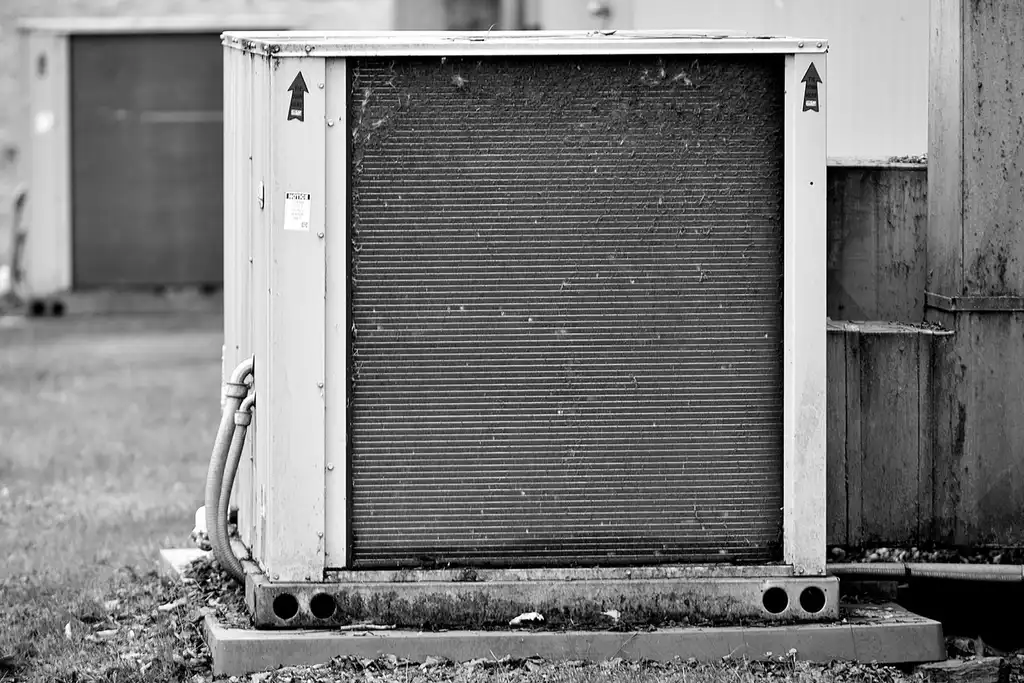
HVAC Mold Remediation in Dallas targets the mold growing inside your air handler, evaporator coil, and ductwork, not just the spots you can see. If your vents smell musty or your allergies flare every time the AC kicks on, we inspect, test, and remove the contamination at the source. Dallas Mold Remediation has served Dallas County since 2015.
 Coil inspectionDuct scopingAir sampling
Every HVAC mold remediation job includes inspection, containment, removal, treatment, and clearance testing. We do not cut corners or skip steps. Here is what you get when you hire us.
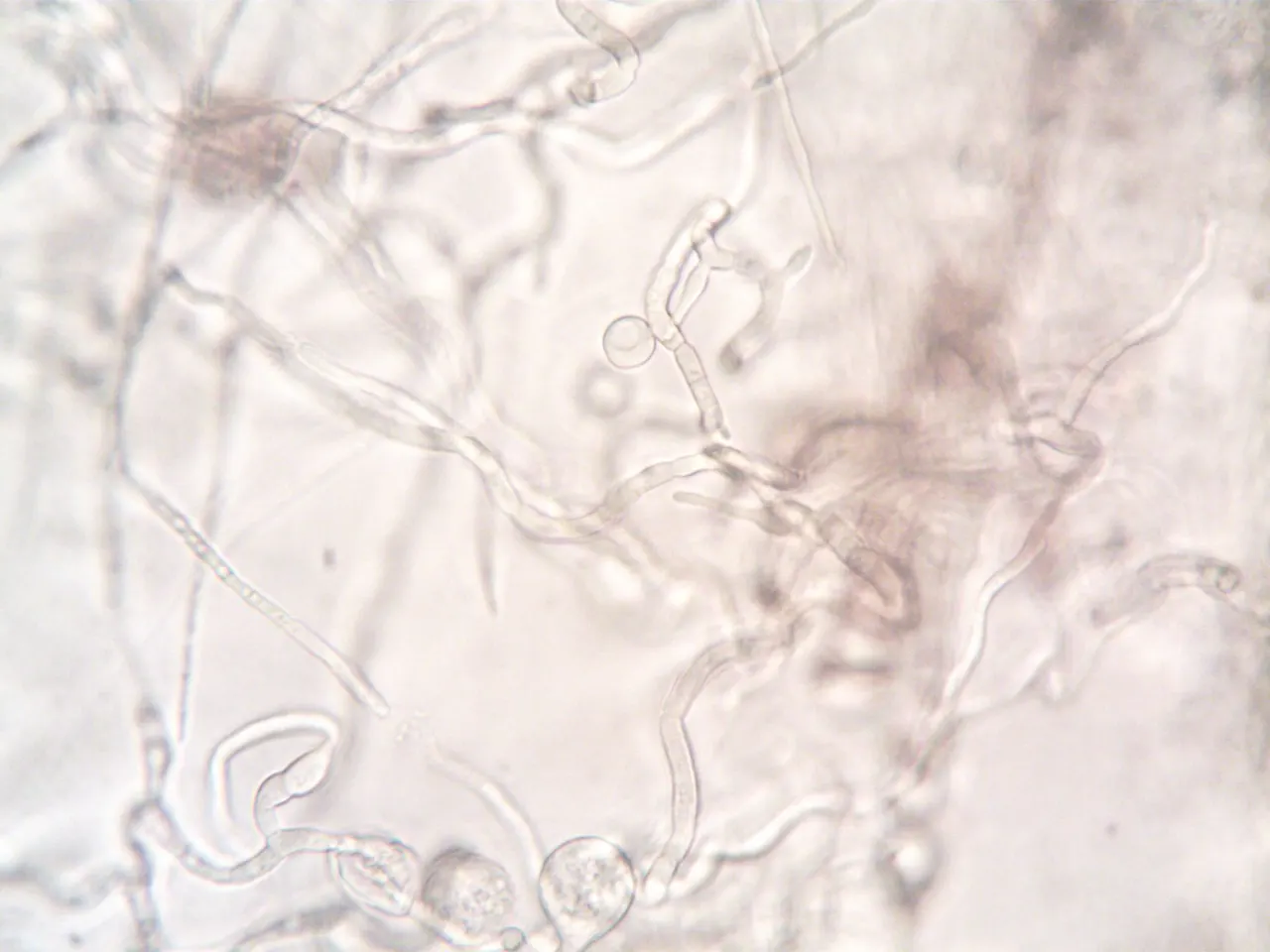
We inspect the air handler, evaporator coil, blower, drain pan, plenum, and ductwork. We use a thermal imaging camera, moisture meter, and boroscope to find hidden growth. You get a written report with photos and lab sample results.
We seal the work area with polyethylene sheeting and run a negative air machine with HEPA filtration. This keeps spores from spreading into your living space. Air scrubbers run continuously until the job is complete and clearance is confirmed.
We remove contaminated insulation, flex duct, and any porous materials that cannot be cleaned. We bag everything in sealed poly bags and dispose of it properly. Non-porous surfaces like coils and metal ductwork are cleaned with RMR-86 and HEPA vacuums.
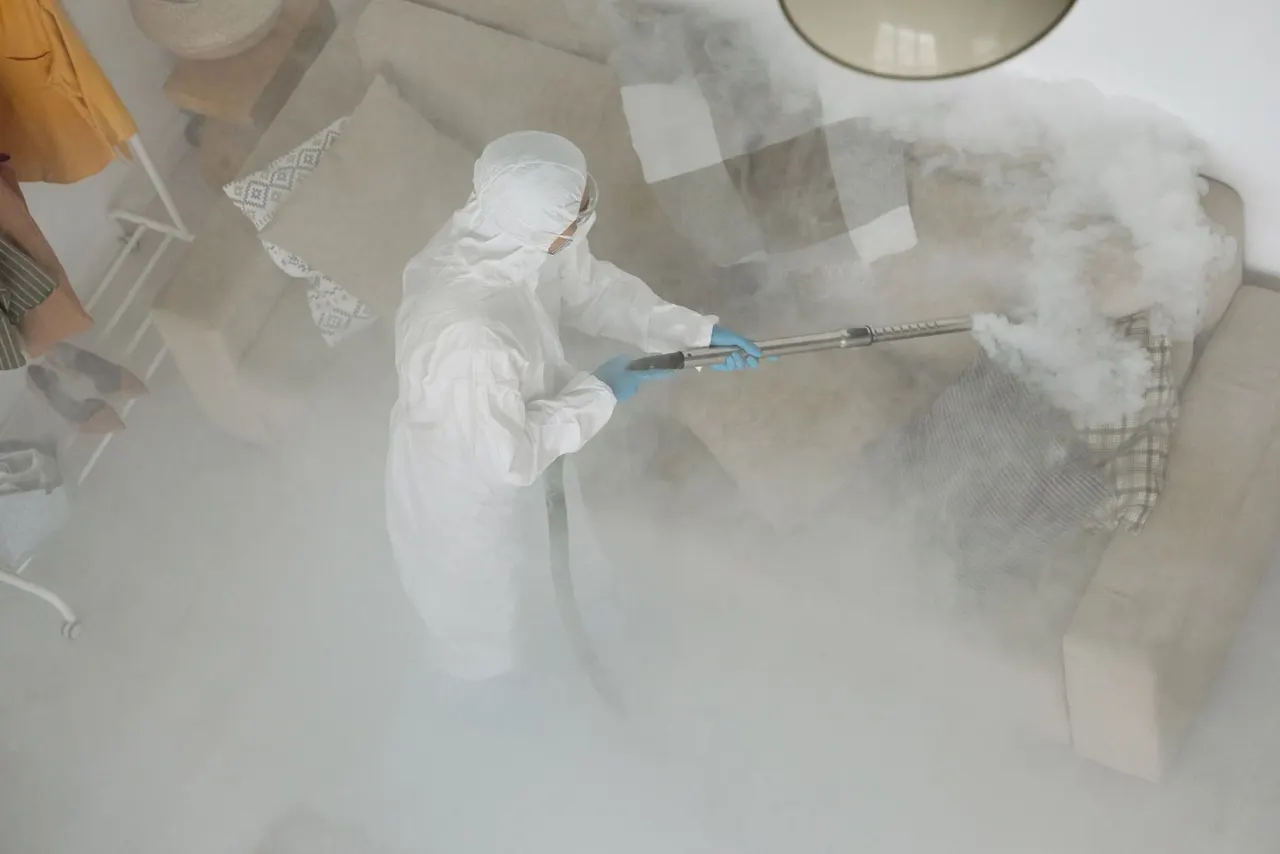
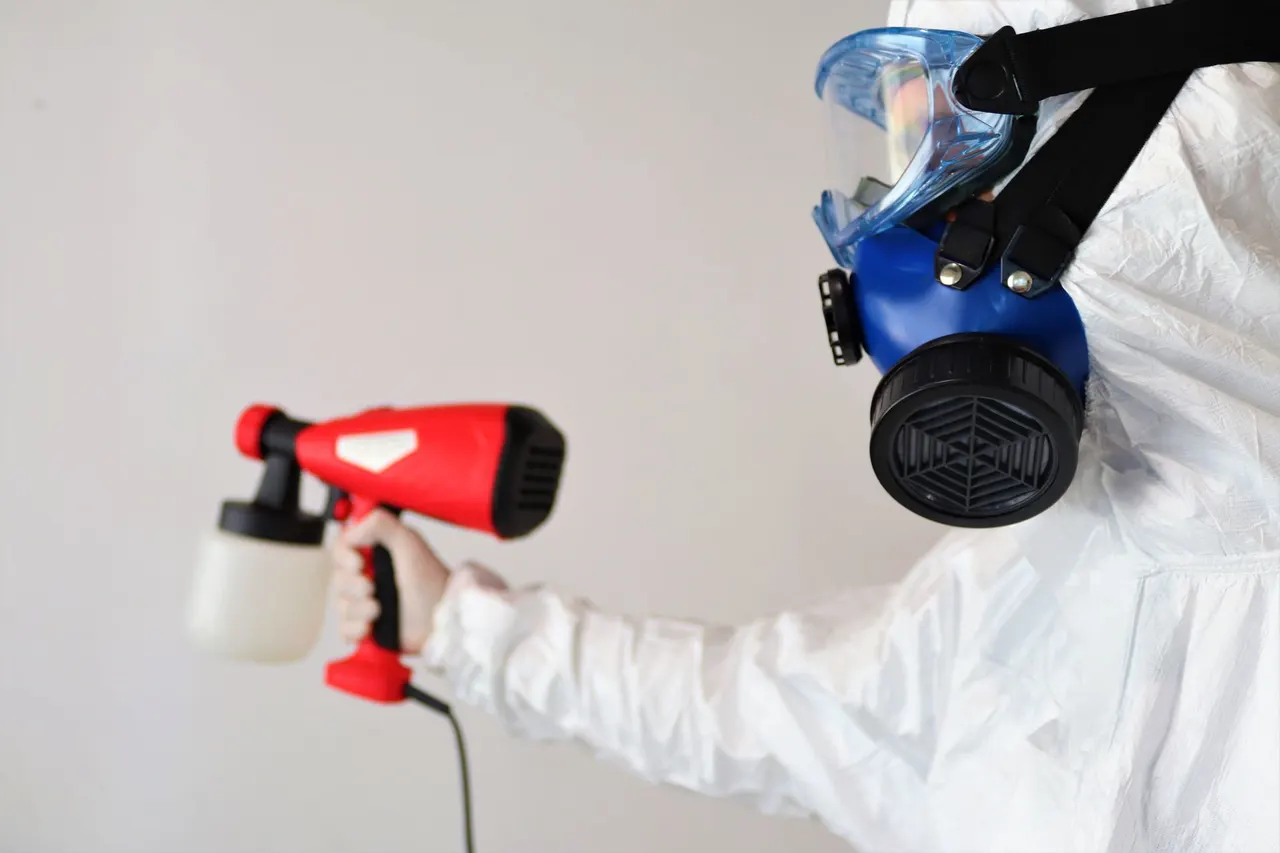
After cleaning, we apply an antimicrobial spray to all affected surfaces. We use a fogger to treat duct interiors and tight spaces. Products like Fiberlock and Concrobium leave a protective coating that resists future growth.
We run the system and take air samples to confirm spore counts are normal. You get a written clearance report with lab results. If the test fails, we re-clean at no additional cost. This is your proof the job is done right.
You receive a written maintenance schedule with recommended filter changes, duct cleaning intervals, and humidity targets. We also note any conditions that could cause future mold, like clogged drains or oversized equipment, so you can address them before they become problems.
The approach is the same for a home and a business. What changes is the access, the schedule and who needs the paperwork.
We inspect your air handler, coil, and ductwork for mold growth. You get a written scope and lab results before we start work.
We work after hours to minimize disruption to your business. You get containment, removal, and clearance testing with full documentation.
A plain-language look at what HVAC Mold Remediation involves and when it is needed.
See how it worksHVAC Mold Remediation in Dallas is the process of locating, containing, and removing mold growth from the components of a heating and cooling system, then treating the surfaces so regrowth does not return. We pull the blower assembly, inspect the evaporator coil, scope the duct runs, and test the insulation and drain pan. If we find growth, we set up containment, run air scrubbers, and apply an antimicrobial spray rated for HVAC surfaces. Every job follows IICRC WRT and AMRT standards.
Dallas homeowners call us most often after a long cooling season. Your system runs nine months a year here, and the coil stays wet. That constant condensation, combined with attic heat and high humidity, turns a dark drain pan into a mold farm. When you search for HVAC mold remediation near me Dallas TX, you need a crew that understands how a Texas HVAC system actually operates. We do. We also handle air conditioner mold removal Dallas-wide, from Lakewood bungalows to Preston Hollow two-story homes.
Mold in your HVAC system circulates through every room. Removing it at the source is the only fix.
Every job follows the same five steps. You get a written scope, a timeline, and a clear price before we start. No surprises, no change orders halfway through.
We arrive with a thermal imaging camera and moisture meter to map damp areas inside the air handler and duct runs. A boroscope lets us see inside wall cavities and plenums without cutting drywall. We take surface samples and air samples, then send them to a lab for confirmation. This step takes 60 to 90 minutes.
Before any removal begins, we seal off the work area with polyethylene sheeting and set up a negative air machine. This keeps spores from spreading into your living space while we work. We also lay down floor protection and tape off supply registers in adjacent rooms. Setup takes about 45 minutes.
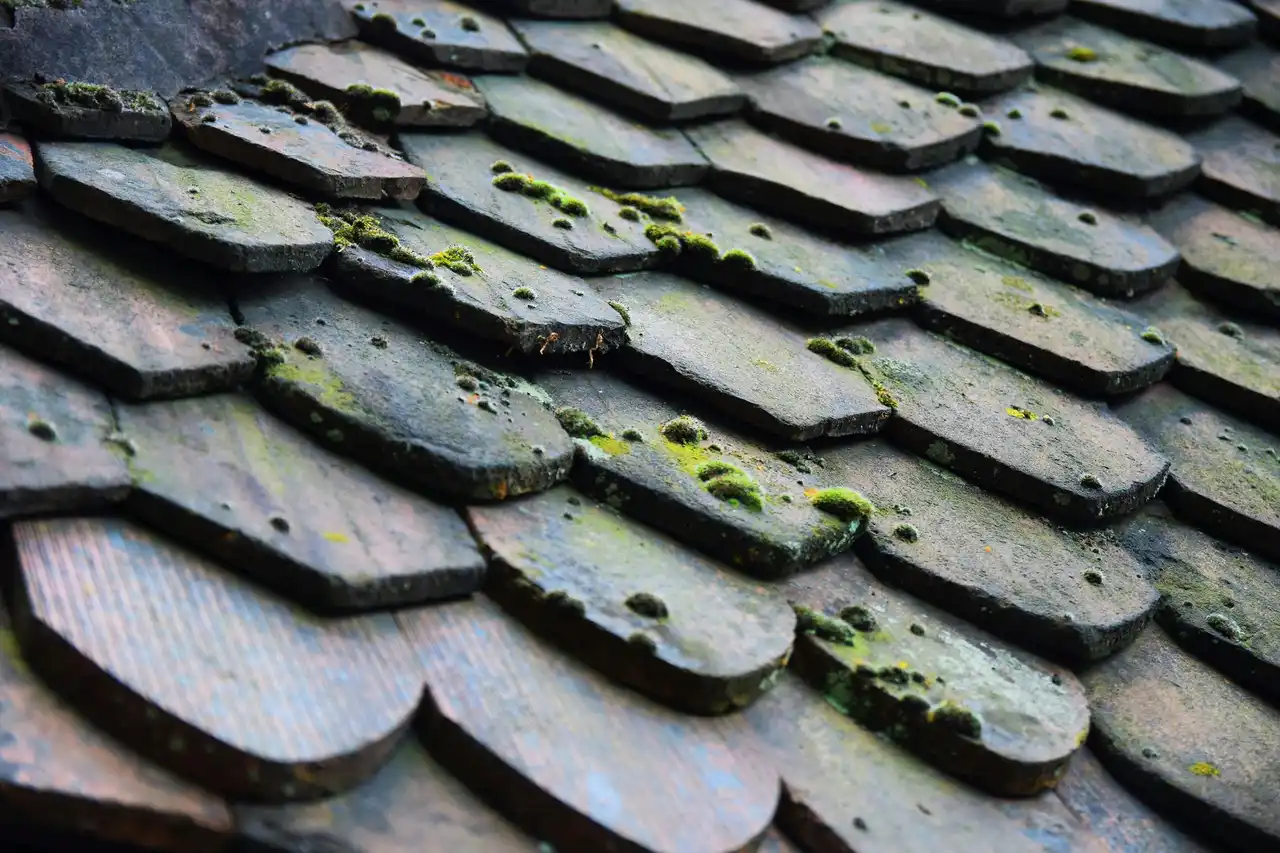
We pull the blower motor, remove contaminated insulation, and clean the evaporator coil with RMR-86 and a HEPA vacuum. Ductwork mold removal Dallas Texas jobs often require us to cut access panels in the trunk line so we can reach every contaminated section.
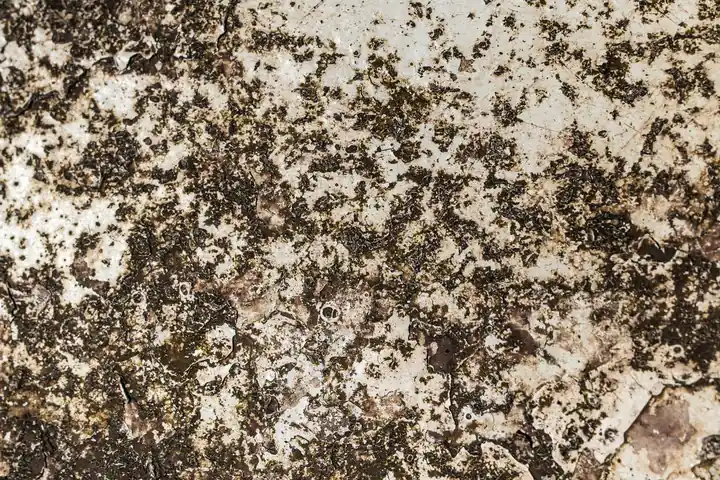
Once surfaces are clean, we apply an antimicrobial spray to the coil, drain pan, blower housing, and duct interior. We use a fogger to reach tight spaces inside the plenum. For ductwork, we seal the system and fog the entire run. This step kills remaining spores and leaves a protective coating that resists regrowth.

We run the system for 30 minutes, then take clearance air samples to confirm spore counts are back to normal levels. You get a written report with lab results, photos of before and after, and a maintenance schedule. If clearance fails, we re-clean at no additional cost. Most jobs wrap in one to two days.

Move across a circle, or focus it and press Enter, for an illustrative thermal view of the photograph.
Detects temperature differences that indicate moisture inside walls, ceilings, and ductwork. We use it to find hidden water sources without cutting into finished surfaces.
Measures water content in drywall, insulation, and wood. We use it to map the extent of moisture damage and confirm when materials are dry enough to treat.

A flexible camera that lets us see inside ductwork, plenums, and wall cavities. We use it to inspect areas that are otherwise inaccessible without demolition.

Filters airborne spores and particles during remediation. We run HEPA air scrubbers continuously to keep the work area and adjacent rooms clean.
Creates negative pressure inside containment so spores cannot escape into your living space. We use it on every job that involves removal of contaminated materials.
Thermal views are illustrative, generated from the photographs.
Captures fine mold spores and debris from surfaces. We use HEPA vacuums on coils, duct interiors, and framing after removal.
Applies antimicrobial treatment to duct interiors and tight spaces. We use it to ensure full coverage inside the HVAC system.
We follow the IICRC Water Restoration Technician and Applied Microbial Remediation Technician standards for every job. These standards govern containment, removal, cleaning, and clearance testing. Following them ensures the job is done safely and correctly.
We seal the work area with polyethylene sheeting and run a negative air machine. This keeps spores from spreading to other parts of your home. We maintain negative pressure until clearance testing confirms the area is clean.
We use products like Fiberlock, Concrobium, and RMR-86 to kill mold and prevent regrowth. These are EPA-registered for use on HVAC surfaces. We apply them with sprayers and foggers to reach every contaminated area.
The lab compares spore counts to outdoor baseline levels. You get a written report showing the results. If clearance fails, we re-clean at no charge.

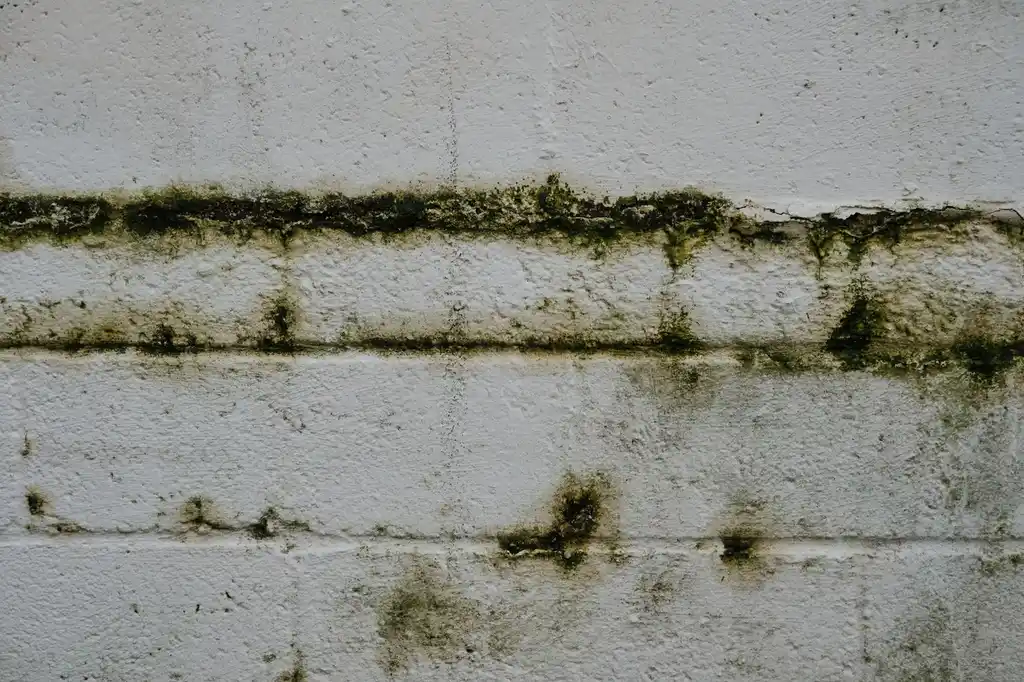
After a roof leak soaks attic insulation and the HVAC unit
We inspect the entire attic, remove wet insulation, and treat the HVAC system for mold. We set up containment to keep spores out of your living space. We also document everything for your insurance claim.
Outcome: Your attic and HVAC system are dry, clean, and mold-free. You have a clearance report to show your insurer, and your home is safe to live in.

When musty odors appear every time the AC starts
We trace the odor to its source, usually the evaporator coil or drain pan. We clean the coil, treat the plenum, and fog the ductwork. We also check for clogged drains or high humidity that caused the problem.
Outcome: The musty smell is gone. Your home smells clean, and your HVAC system runs more efficiently. You get a maintenance plan to prevent recurrence.
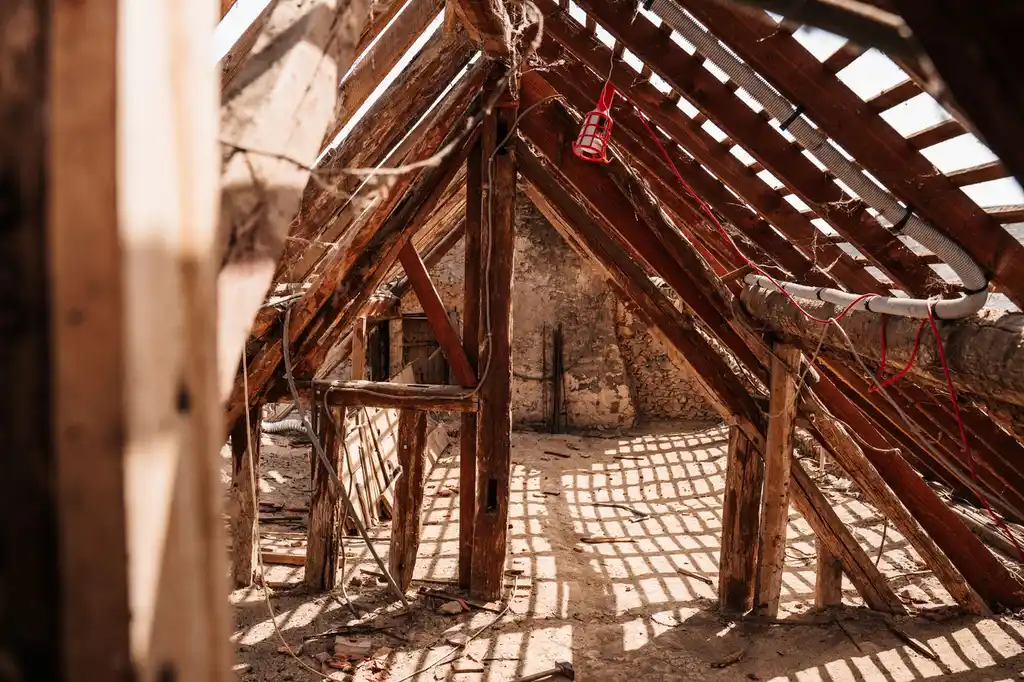
After a condensate drain clog causes water damage in the air handler
We extract standing water, remove contaminated insulation, and treat the air handler and ductwork. We clear the drain line and test it to ensure proper flow. We also install a safety switch to prevent future overflows.
Outcome: Your air handler is dry and mold-free. The drain works properly, and the safety switch protects your home from future water damage.
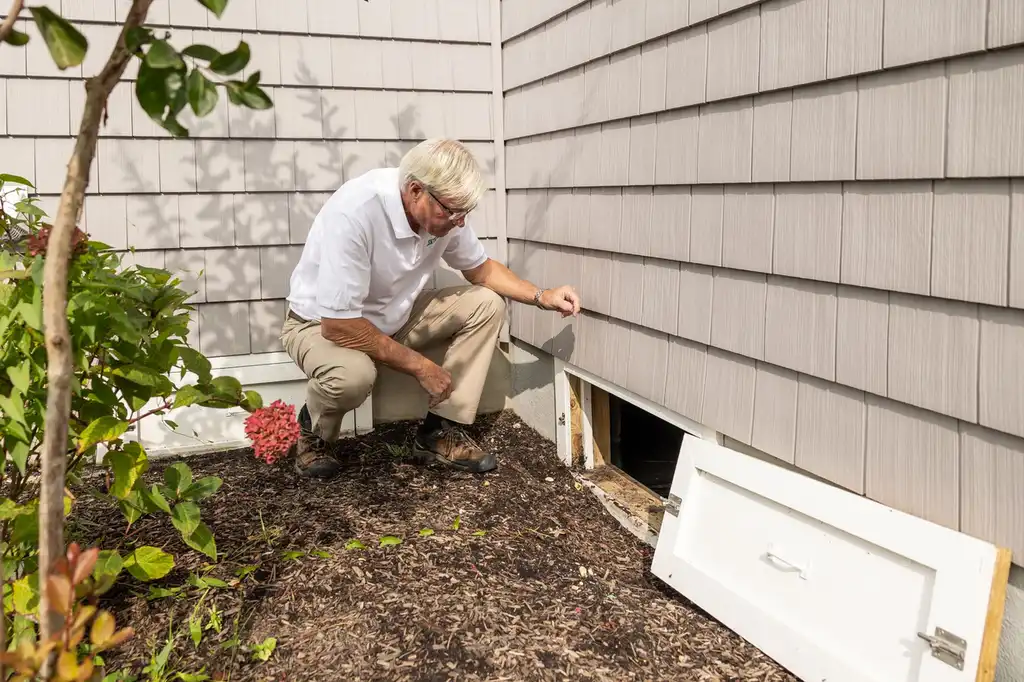
When buying a home and the inspection report notes mold in the HVAC
We perform a full inspection and provide a written scope with pricing. We can complete remediation before closing so you move into a clean home. We coordinate with your realtor and the seller to keep the timeline on track.
Outcome: You close on time with a mold-free HVAC system. You have documentation showing the work was done properly, which protects your investment.
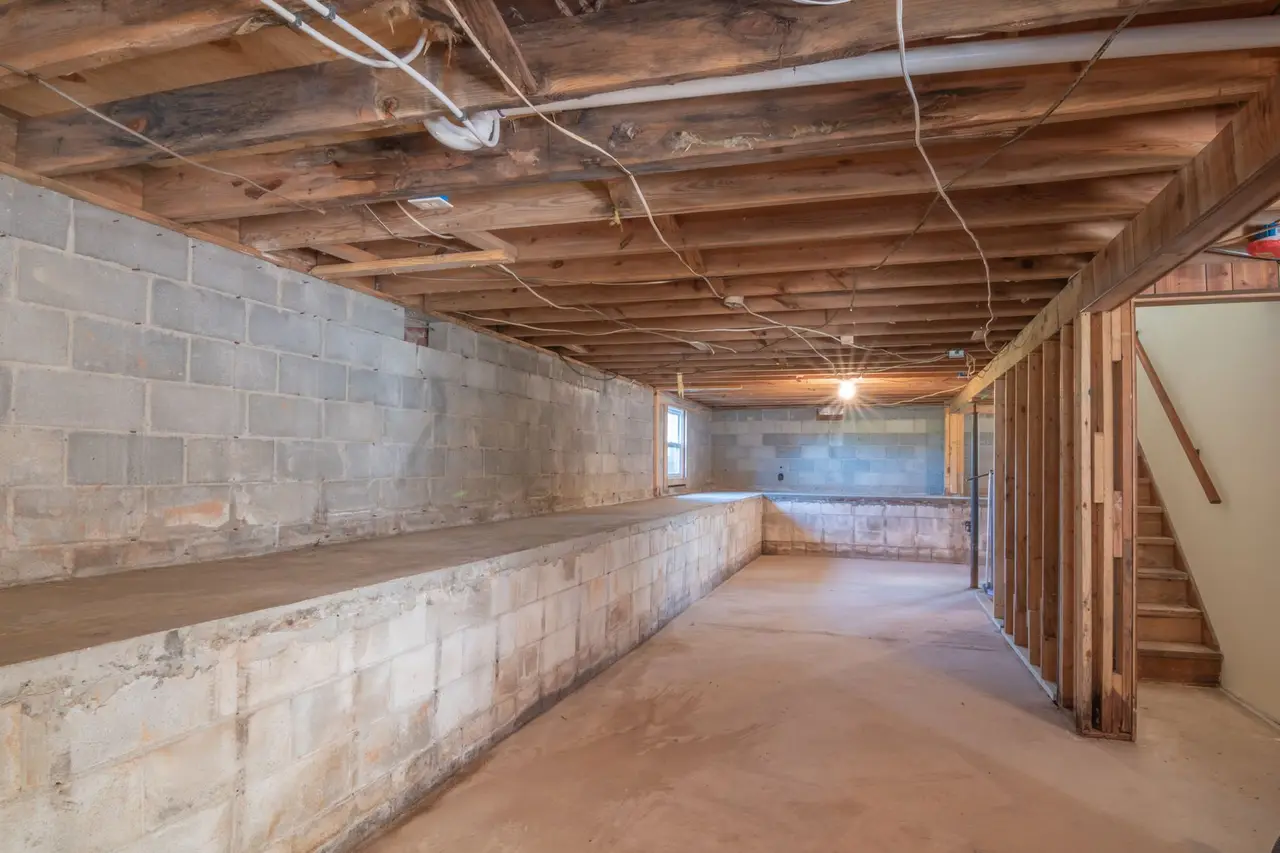
When allergies worsen every summer and no other cause is found
We test the air and surfaces in your HVAC system. If mold is present, we remove it and treat the system. We also check humidity levels and recommend adjustments to keep your home dry.
Outcome: You breathe easier. Your allergy symptoms improve, and you have lab results confirming your air is clean. You also know how to keep it that way.
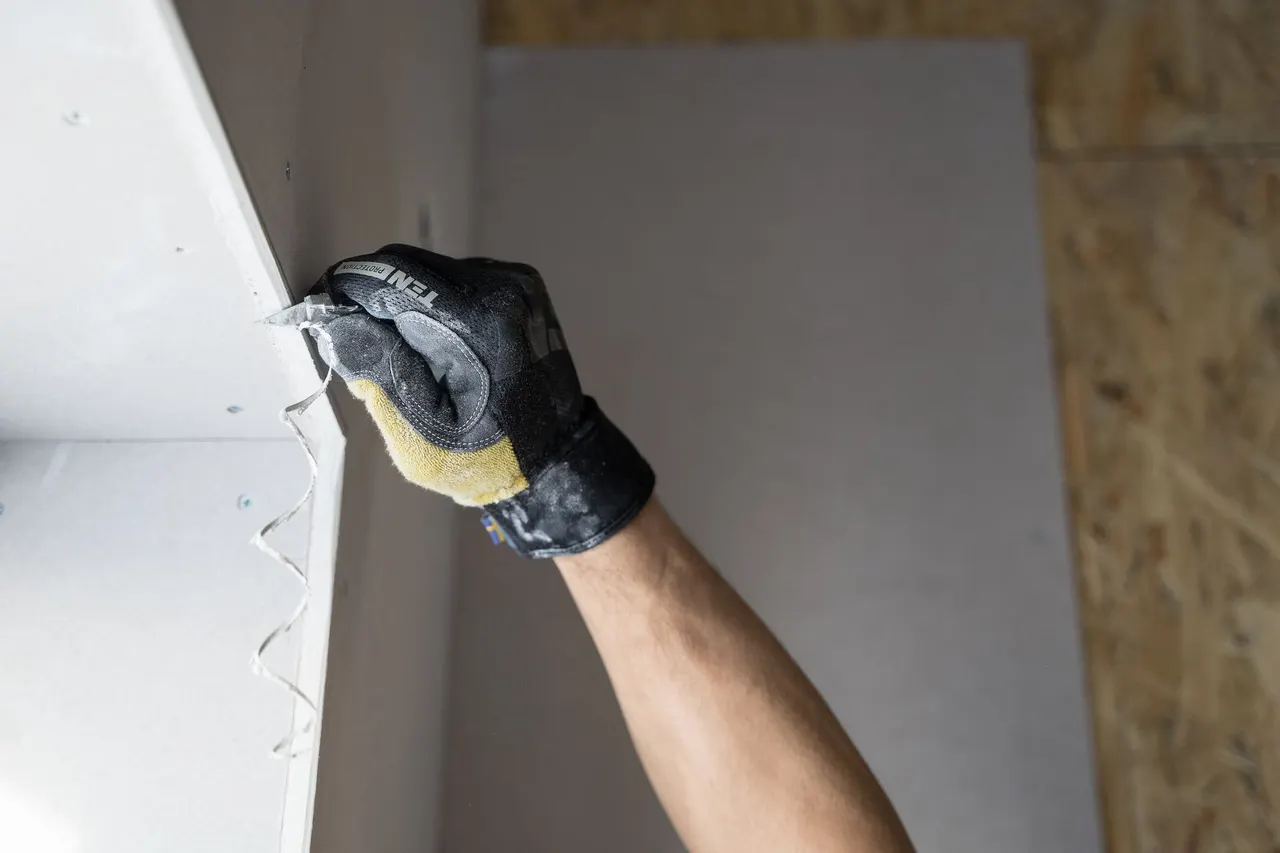
Dallas HVAC systems run hard. With summer temperatures above 100 degrees and humidity that stays high from March through November, your air conditioner is working nine months out of the year. That constant operation keeps the evaporator coil wet, and wet coils grow mold.
Add attic temperatures that reach 140 degrees in July and August, and you have ideal conditions for mold growth inside your ductwork and air handler. Older homes in East Dallas and Oak Cliff often have undersized returns and leaky flex duct, which makes the problem worse. Newer homes in Uptown and Victory Park are tighter, so moisture from cooking and showers has nowhere to go.
We size our containment and drying equipment for Dallas conditions. If you need ductwork mold removal Dallas Texas homeowners can count on, we have the experience and the tools. We also know Dallas County code requirements for mold remediation and disposal.

Before: A homeowner in Lakewood noticed a musty smell and found black mold on the air handler in the attic. The drain pan was clogged, and water had been sitting for weeks. Insulation around the unit was soaked and contaminated.
After: We cleared the drain, removed the wet insulation, and treated the air handler with RMR-86 and antimicrobial spray. Clearance testing showed spore counts back to normal. The homeowner replaced the filter and scheduled annual inspections.
Check the condensate drain monthly during cooling season. Replace filters every 60 to 90 days. Schedule a professional inspection every two years.
Before: A family in East Dallas had allergies that worsened every summer. Inspection revealed mold growth inside the flex duct runs and on the evaporator coil. The ductwork was original to the home and had never been cleaned.
After: We removed the contaminated flex duct, cleaned the coil, and installed new insulated ductwork. Air samples confirmed the mold was gone. The family reported fewer allergy symptoms within a week.
Schedule duct cleaning every three to five years. Keep indoor humidity below 60 percent. Replace filters regularly.
Before: A condensate drain clog caused water to overflow into the air handler closet and soak the surrounding drywall. Mold appeared within days. The homeowner called us after seeing discoloration on the ceiling below.
After: We extracted the water, removed contaminated drywall, and treated the air handler and ductwork. We installed a safety switch to prevent future overflows. Clearance testing passed, and the homeowner repaired the drywall.
Pour a cup of vinegar down the condensate drain monthly. Install a float switch if you do not have one. Inspect the air handler closet for moisture every season.
Mold in an HVAC system causes more than a musty smell. It affects your health, your energy bills, and your home's value. Here are the most common problems we solve.
Clean air, lower bills, and a system that runs the way it should.
A contaminated air handler pushes spores into bedrooms, kitchens, and living areas every cooling cycle. After HVAC mold treatment Dallas TX, the supply air is clean. Customers with allergies often notice the difference the first night. We install HEPA filters and verify airflow before we close up the system.
That wet-cardboard smell coming from your vents is a sign of active growth. We trace the odor to its source, remove the contaminated material, and treat the plenum and coil cabinet with Benefect or Concrobium. Most customers say the smell is gone within 24 hours of completion.
Mold and biofilm on an evaporator coil insulate the fins and force your compressor to work harder. Cleaning the coil and restoring proper airflow can drop your summer cooling costs by 10 to 15 percent. We measure static pressure before and after so you can see the improvement.
Black mold in an HVAC system circulates through every room your family sleeps in. Removing it reduces exposure to mycotoxins and volatile organic compounds. We use negative air machines and polyethylene sheeting to keep spores contained during removal, so your indoor air stays safe throughout the job.
Clear records you can keep and share.
Photos and moisture readings from the system
Step-by-step plan with pricing
Filter schedule and inspection intervals
Mold needs moisture to grow. In an HVAC system, the moisture comes from the coil, drain pan, or ductwork condensation.
Growth on coils, drain pans, or cabinet walls
Growth inside flex duct or trunk lines
Growth behind walls or in attic insulation
A list like this tells people straight away whether you cover their street. Not listed? Call and ask: it only takes a minute.
Based in Dallas and covering the places around it. Pick one for local details.
Emergency calls and attic systems with limited access add 15 to 25 percent. We give you a written price before we start.
Your Dallas HVAC system has mold because the evaporator coil stays wet for months. Dallas humidity averages 65 to 75 percent, and your AC runs from March through November. That constant moisture, combined with dust and attic heat, creates ideal conditions for mold growth. A clogged condensate drain or a system that is oversized for your home makes it worse. We find the moisture source first, then remove the mold.
Yes. Mold in an HVAC system circulates spores through every room in your home. Common symptoms include sneezing, coughing, sinus congestion, headaches, and worsened asthma. People with allergies or compromised immune systems are most at risk. If you notice musty odors from your vents or allergy symptoms that improve when you leave home, call us for an inspection. We can test the air and confirm whether mold is the cause.
We recommend an HVAC mold inspection every two years in Dallas, and annually if you have had a previous mold problem or your system is more than 10 years old. Duct cleaning every three to five years helps prevent buildup. If you see visible growth, smell musty odors, or have had water damage, do not wait. Call us for an inspection. We can tell you whether cleaning is needed or if full remediation is required.
Other services from the same team.
If you smell musty odors or see growth around your vents, do not wait. We offer same-day inspections and written pricing before any work begins. Call Dallas Mold Remediation at (214) 817 0145 and let us clear the air in your home.
Call (214) 817 0145 or email info@dallasmoldremediation.com to schedule an inspection. We answer the phone Monday through Friday, 8:00 AM to 6:00 PM, and we return after-hours messages first thing the next morning. Same-day inspections are available across Dallas County when you call before noon.