For Homes
We treat attics, crawl spaces, and living areas after mold removal. We use products safe for families and pets once dry.
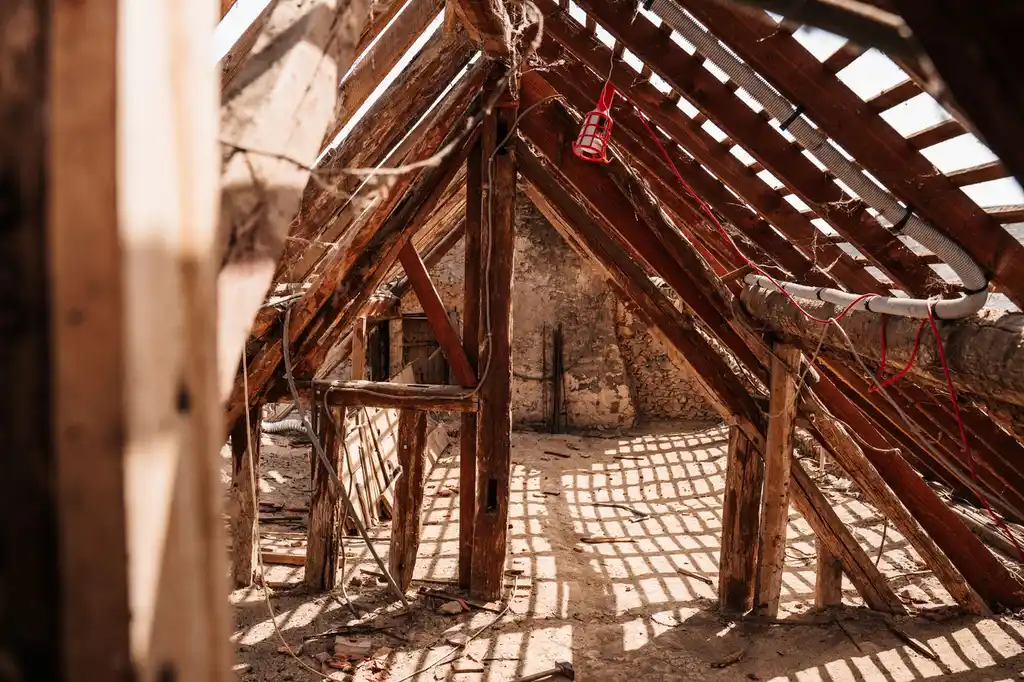
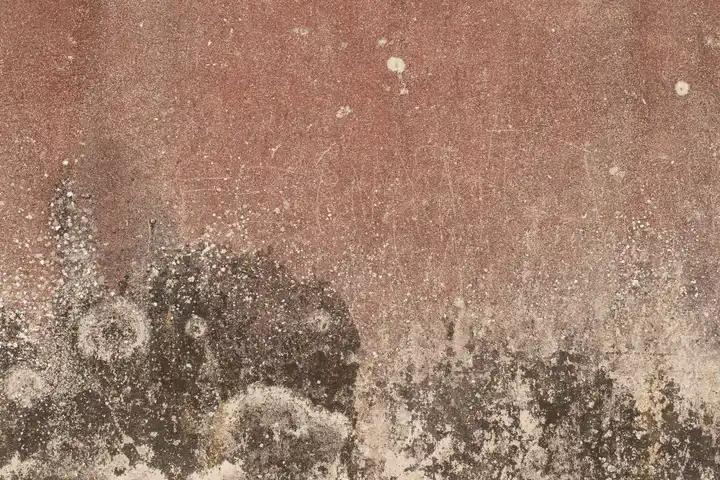
- Attic mold after roof leak
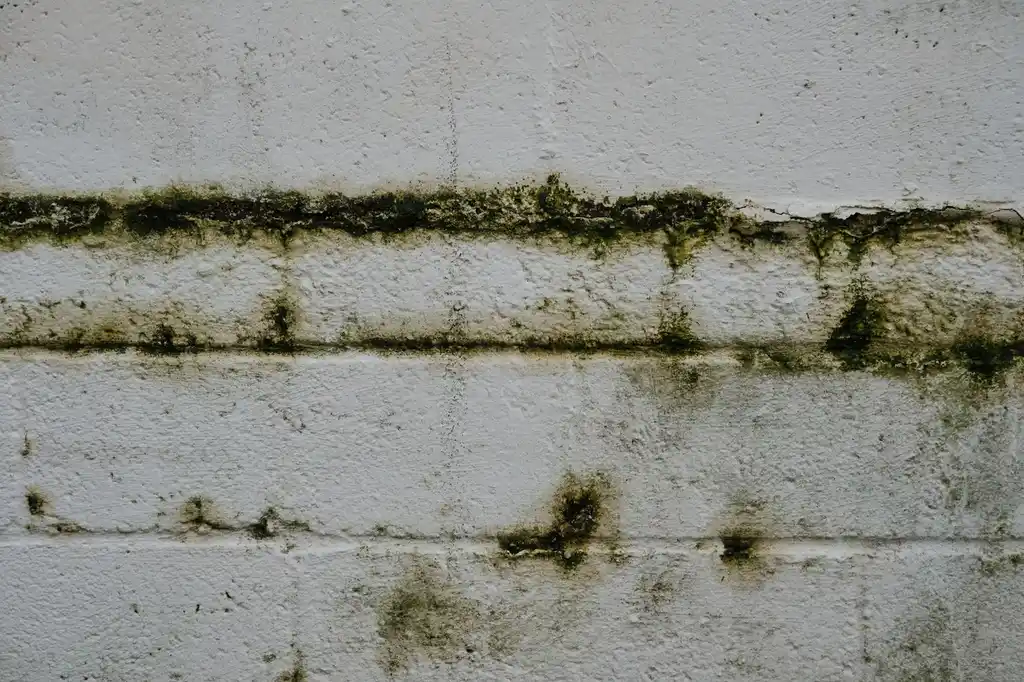
- Crawl space mold on joists
- HVAC ductwork mold
Antimicrobial Treatment Dallas TX is the final protective step after mold removal. We apply EPA-registered antimicrobial spray and encapsulation coating to framing, drywall, and HVAC surfaces so spores can't recolonize. If you've had water damage, a roof leak, or high humidity in Dallas County, this treatment locks in the remediation and keeps mold from returning. Same-day scheduling available.
 Moisture checkSurface prepAntimicrobial spray
Every antimicrobial treatment job includes the core steps below. If your situation needs something extra, we'll tell you before we start and price it separately.
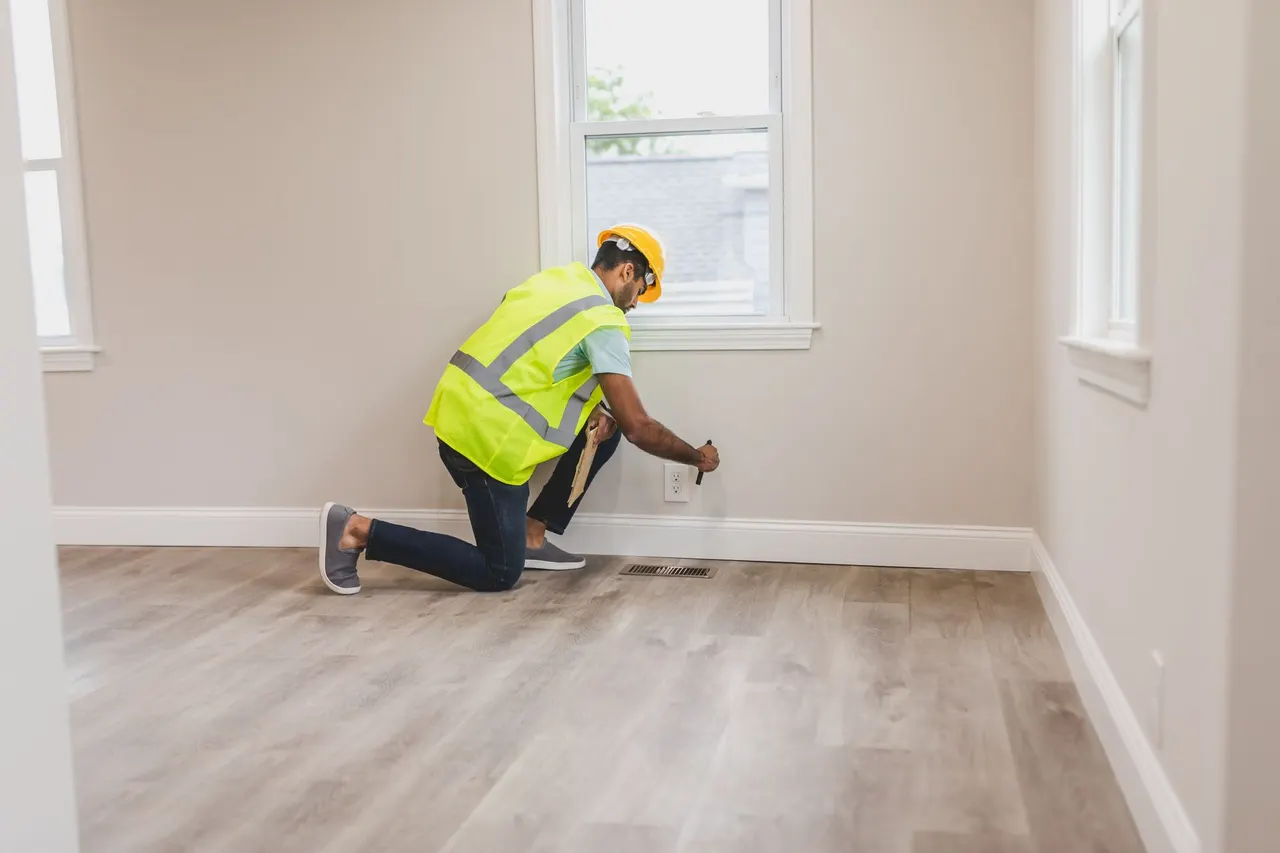
We confirm the moisture source is fixed before treating. A moisture meter and thermal imaging camera check framing, drywall, and subfloor. If readings are still high, treatment waits until the source is corrected.
We vacuum all affected surfaces with HEPA filters to remove loose spores and debris. Skipping it leaves spores that the treatment can't reach.
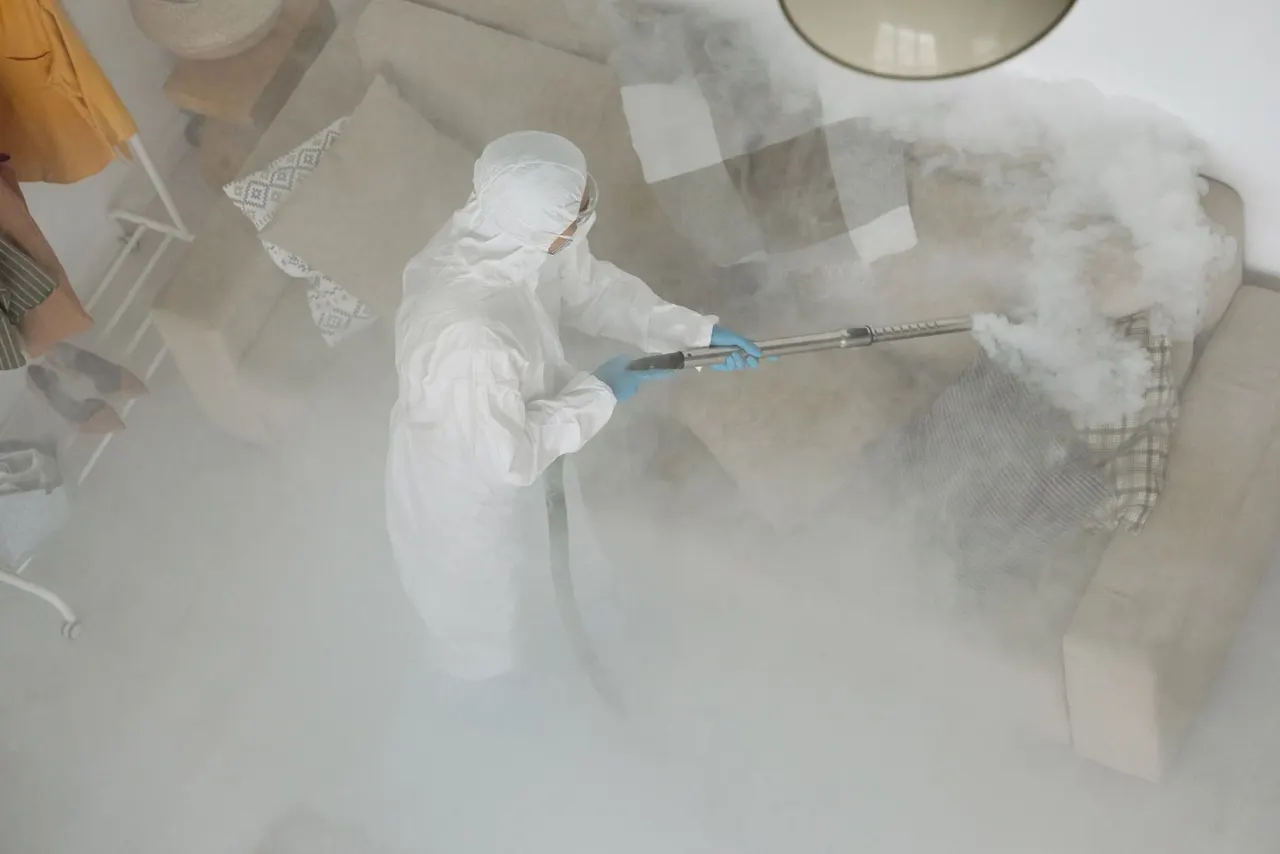
We apply EPA-registered antimicrobial spray to all affected surfaces using pump sprayers. Products include Concrobium, Benefect, and ShockWave. Coverage is 100% of the affected area, including corners and edges.
For wall cavities, attics, and crawl spaces, we use foggers to reach areas a sprayer can't. Antimicrobial fogging Dallas TX penetrates into voids and behind framing. This is how we treat the spaces you can't see.
On structural wood and framing, we apply an antimicrobial coating that seals the surface. This provides long-term protection against regrowth. The coating is paintable after 24 hours and dries in 4 to 6 hours.
You get a written summary of what was treated, what products were used, and when it's safe to re-enter. We include photos of the treated areas. This documentation is useful for insurance claims and real estate transactions.
The approach is the same for a home and a business. What changes is the access, the schedule and who needs the paperwork.
We treat attics, crawl spaces, and living areas after mold removal. We use products safe for families and pets once dry.
We treat offices, retail, and warehouses with containment and after-hours scheduling. Documentation provided for property managers.
A plain-language look at what Antimicrobial Treatment involves and when it is needed.
See how it worksAntimicrobial Treatment Dallas TX is a post-remediation service that kills remaining mold spores, bacteria, and fungi on building surfaces and then leaves a protective residue that inhibits regrowth. We use EPA-registered products like Concrobium, Benefect, and ShockWave applied with pump sprayers, foggers, and airless units. The treatment penetrates porous materials such as drywall, insulation, and wood framing, reaching areas a sponge or wipe can't. After application, we apply an antimicrobial coating on structural surfaces to create a long-lasting barrier. This is not a cover-up. It's the step that makes a mold job actually stay fixed.
Dallas properties deal with mold pressure year-round. Summer humidity sits above 60% for months, and winter roof leaks or plumbing failures create hidden moisture behind walls. We see it constantly in older East Dallas bungalows with pier-and-beam foundations, in Uptown high-rises with HVAC condensation issues, and in Lakewood homes after a slow supply-line leak. If you're searching for antimicrobial treatment for mold near me Dallas TX, you're probably dealing with one of these scenarios. The treatment stops the problem from restarting after remediation.
Antimicrobial treatment kills remaining spores and leaves a protective barrier that stops mold from returning.
Every job follows the same five steps. You'll know what's happening, how long it takes, and what to expect before we start.
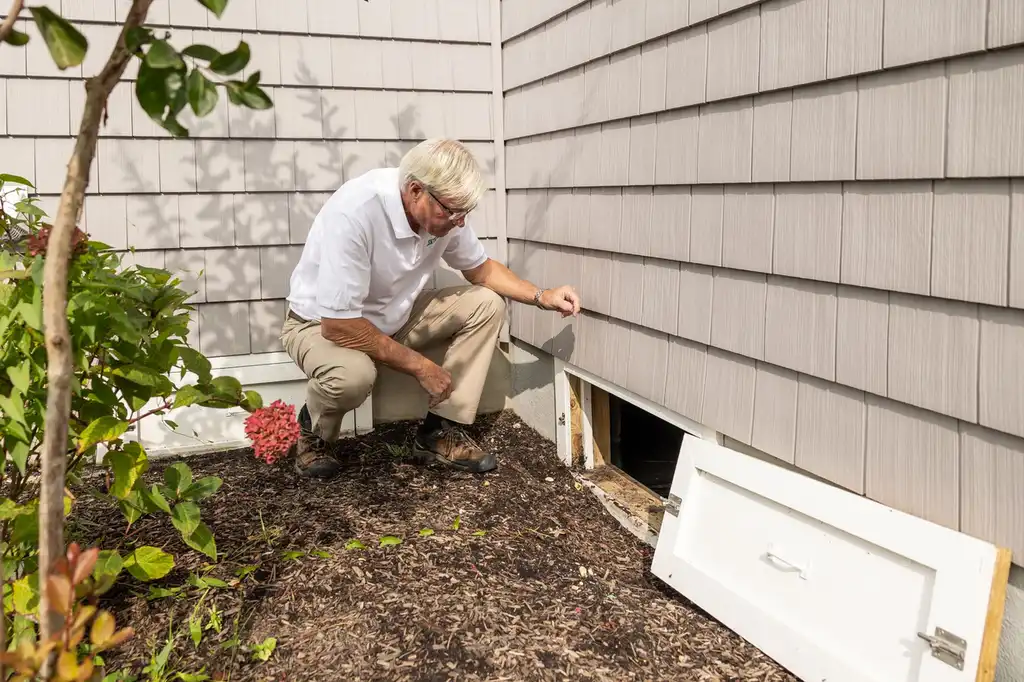
We start by confirming the source is fixed. A moisture meter and thermal imaging camera check framing, drywall, and subfloor. If we find active moisture above 16% on a wood reading, treatment waits until the source is corrected. This step takes 20 to 40 minutes on a typical Dallas home.
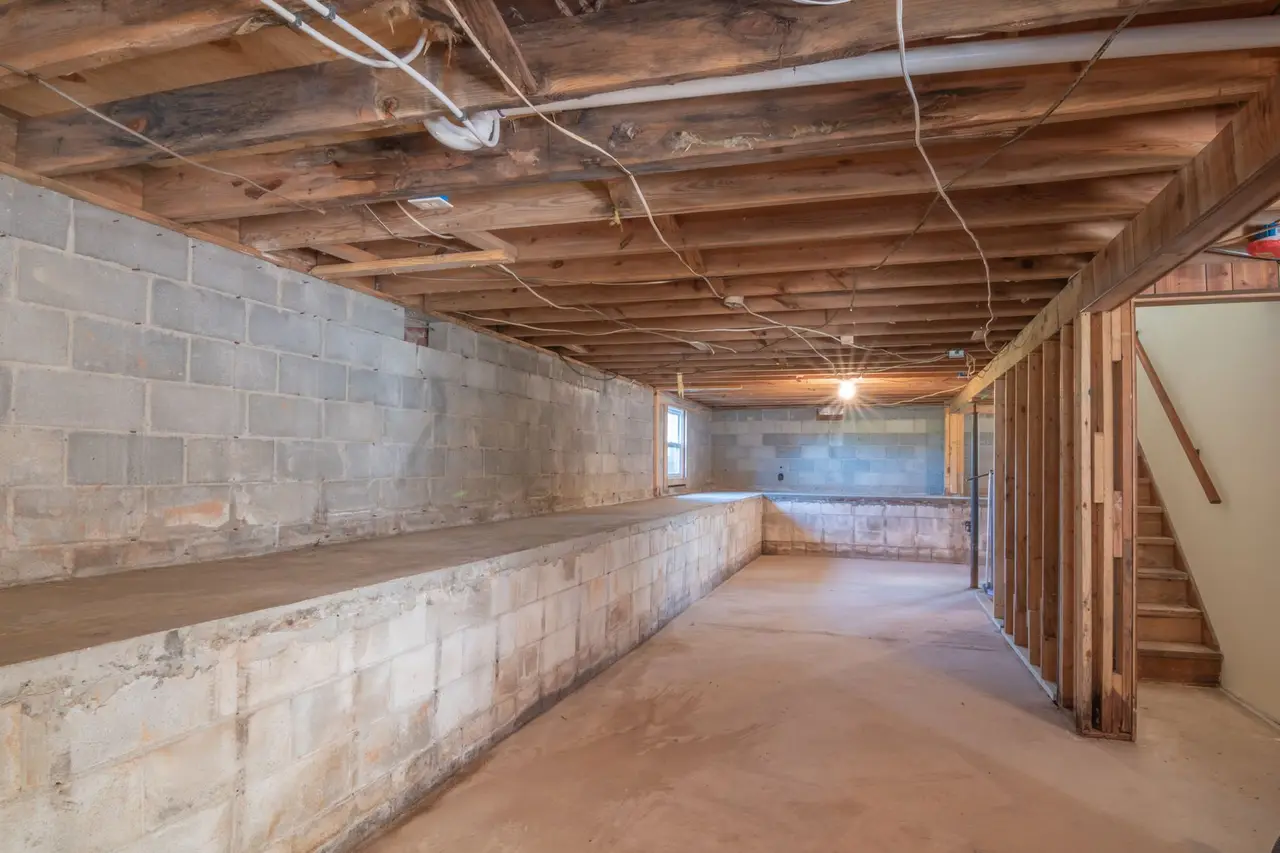
We HEPA vacuum all affected surfaces to remove loose spores and debris. Polyethylene sheeting goes up to isolate the work zone. Air scrubbers run with HEPA filters to capture airborne particles. This prep keeps spores from spreading to clean areas of your home during treatment.
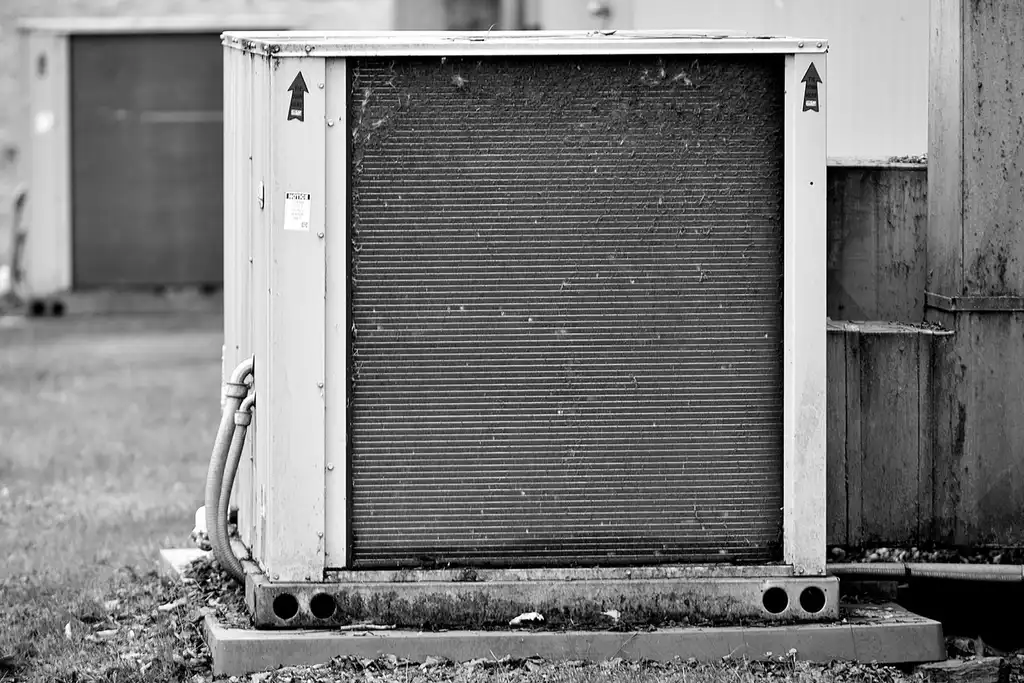
We apply antimicrobial spray to all affected surfaces using pump sprayers for direct contact and foggers for cavities and voids. Products like Concrobium and Benefect are EPA-registered and safe for pets once dry. A 1,200 square foot affected area takes about 2 to 3 hours to treat.
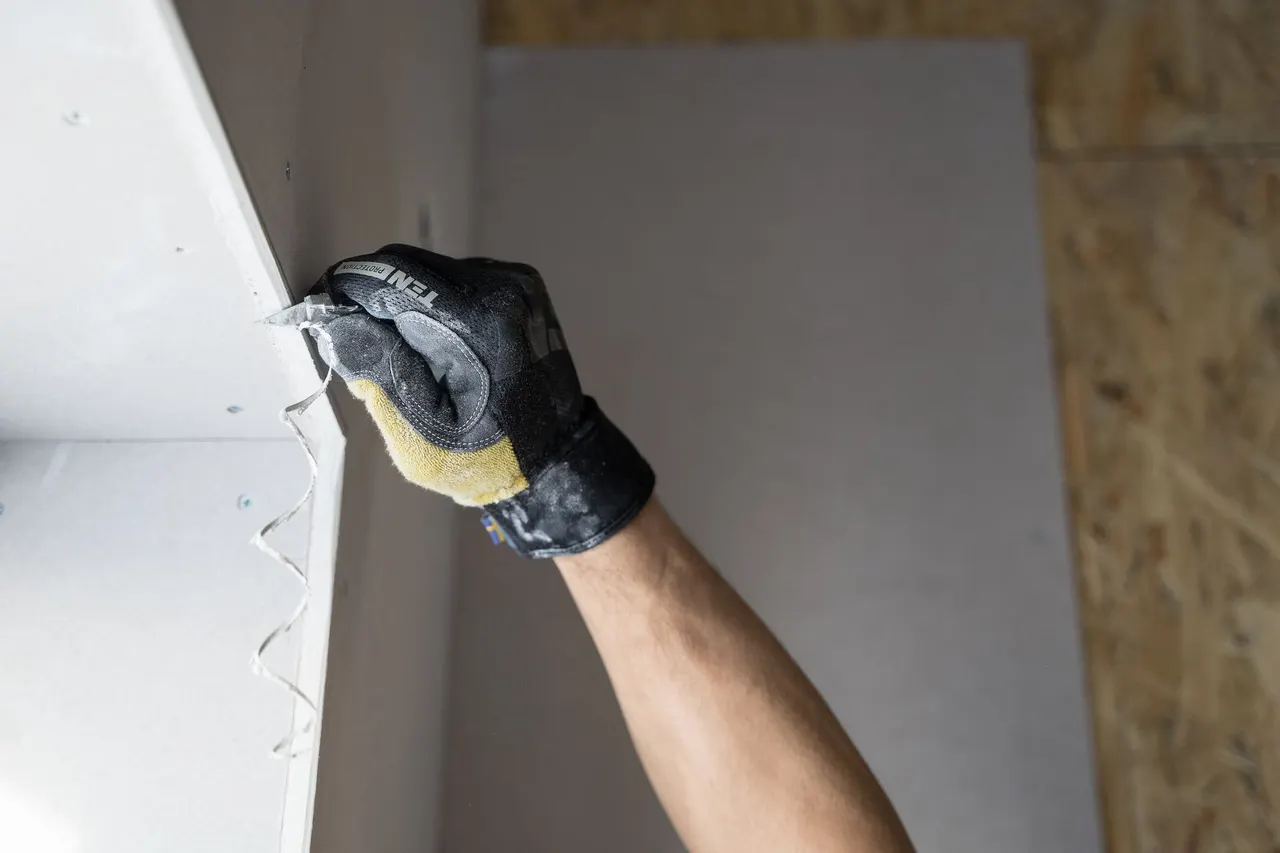
On structural wood, framing, and joists, we apply an antimicrobial coating that seals the surface and provides long-term protection. This is especially important in crawl spaces and attics where humidity fluctuates. The coating dries in 4 to 6 hours and is paintable after 24 hours.
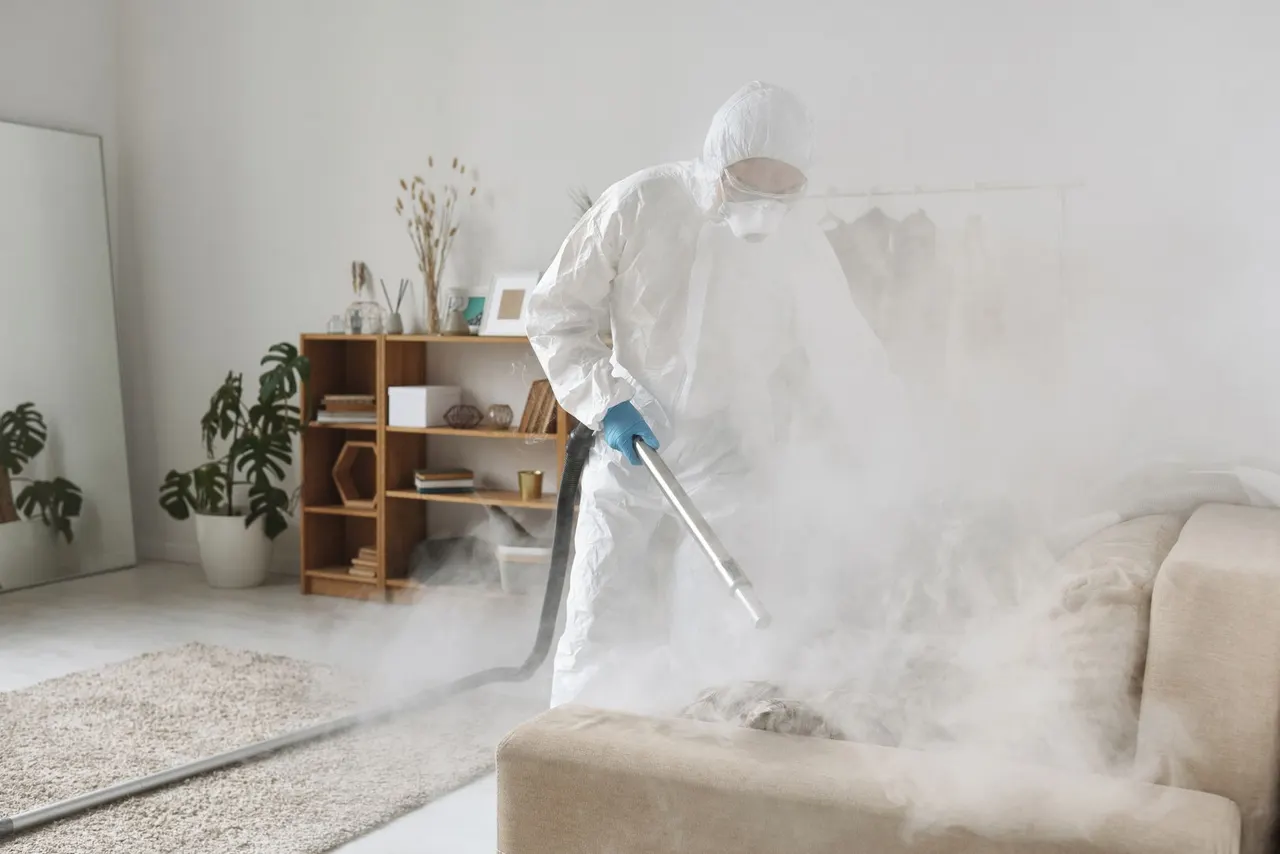
We take moisture readings again, confirm the treatment is dry, and document everything with photos. You get a written summary of what was treated, what products were used, and what to watch for. If you need clearance documentation for a real estate transaction, we provide that too.
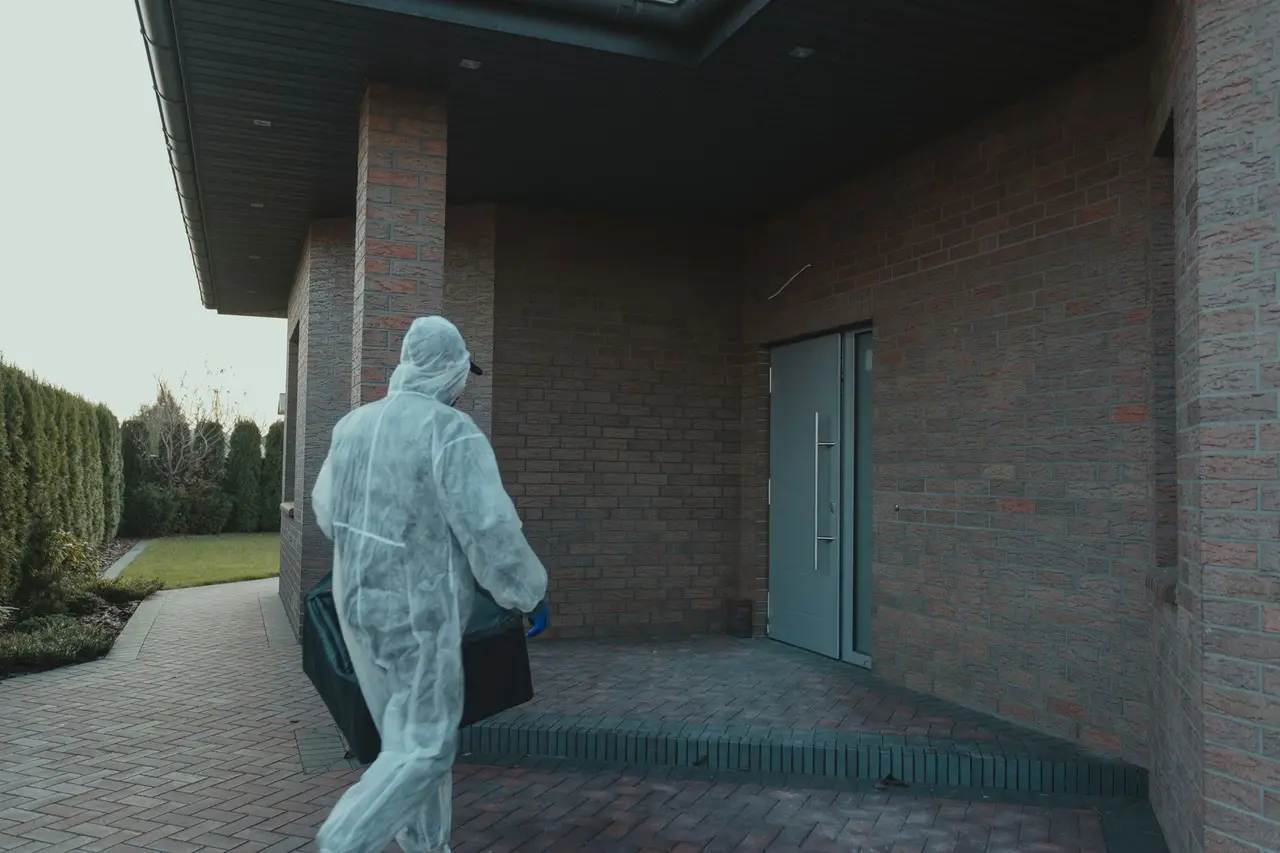
Move across a circle, or focus it and press Enter, for an illustrative thermal view of the photograph.
Locates hidden moisture behind walls and under floors before treatment. We use it to confirm the moisture source is fixed.
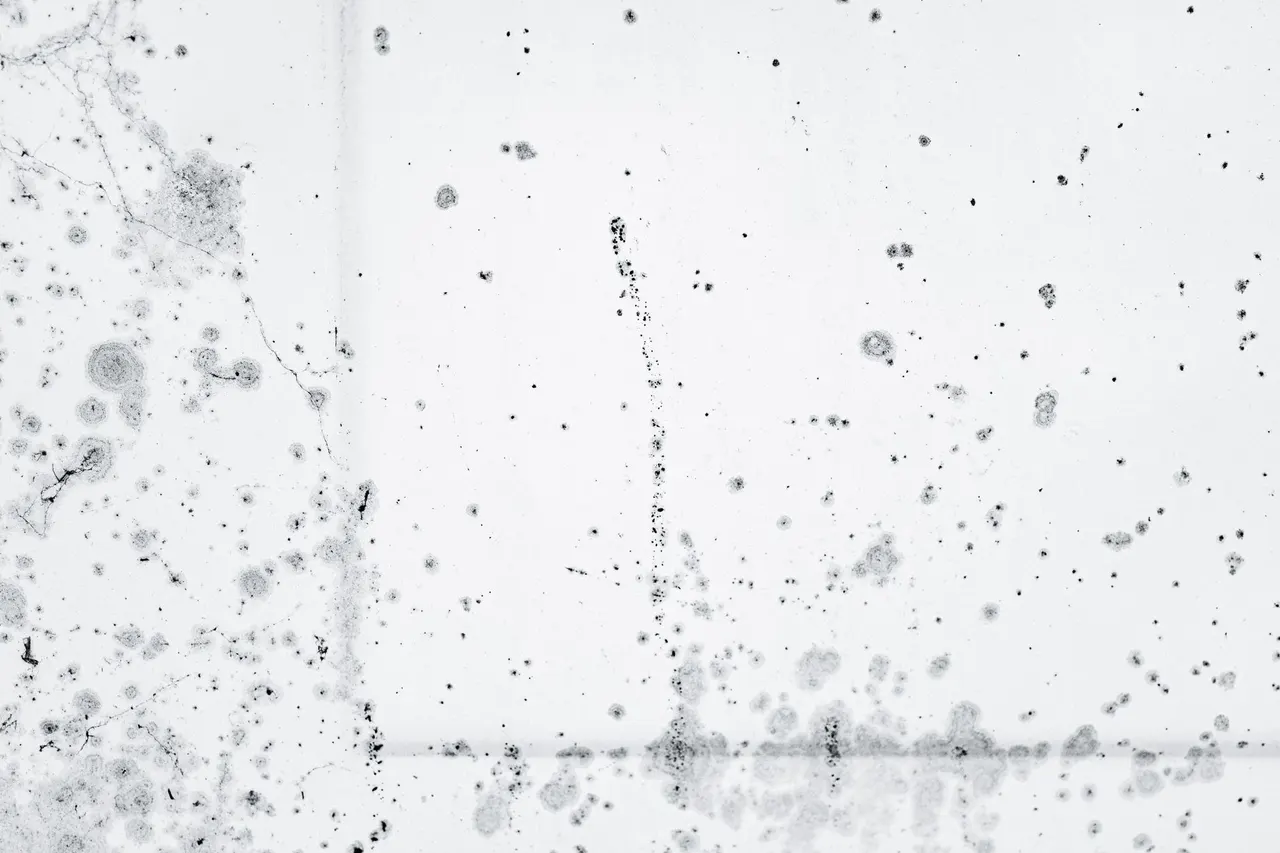
Reads moisture content in wood, drywall, and concrete. We need readings below 16% on wood before applying antimicrobial treatment.
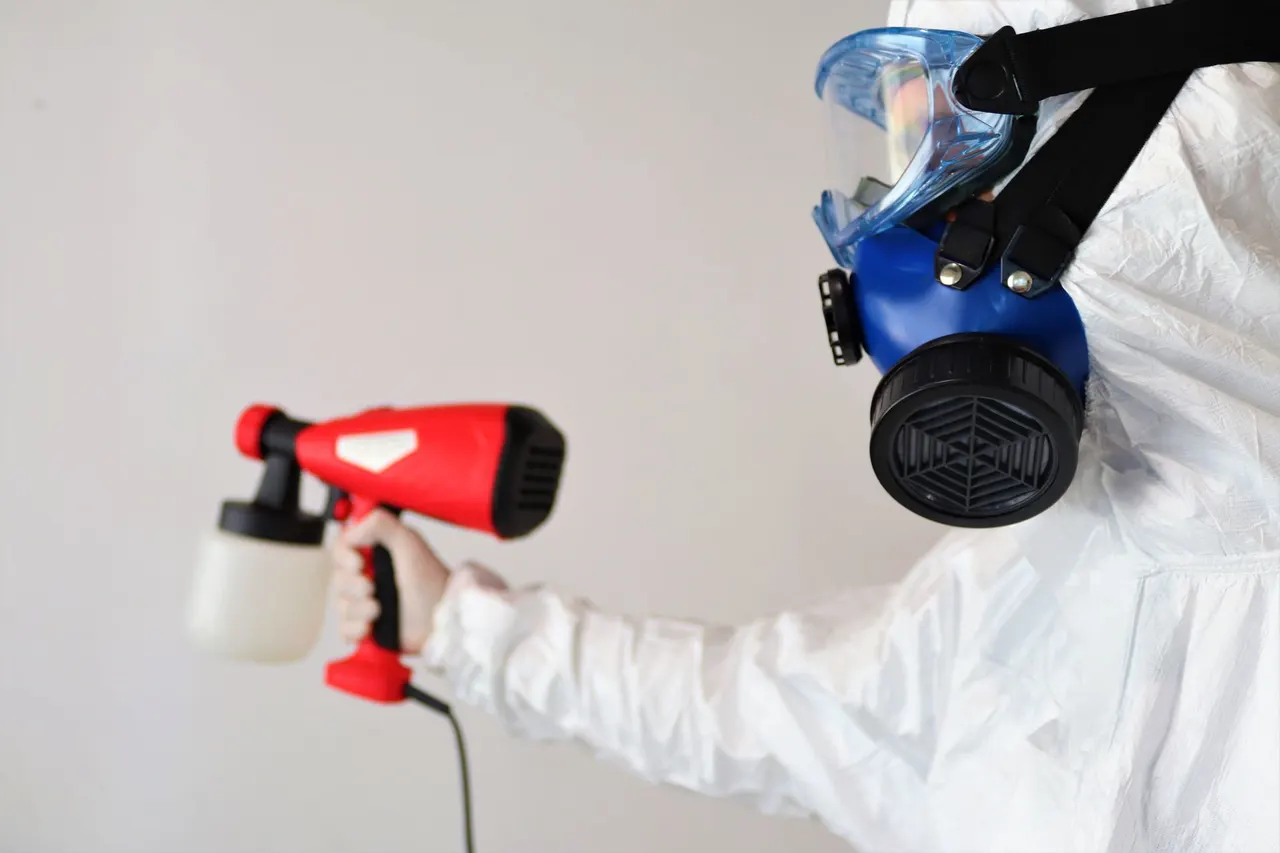
Removes loose spores and debris from surfaces before treatment. HEPA filters capture particles down to 0.3 microns.
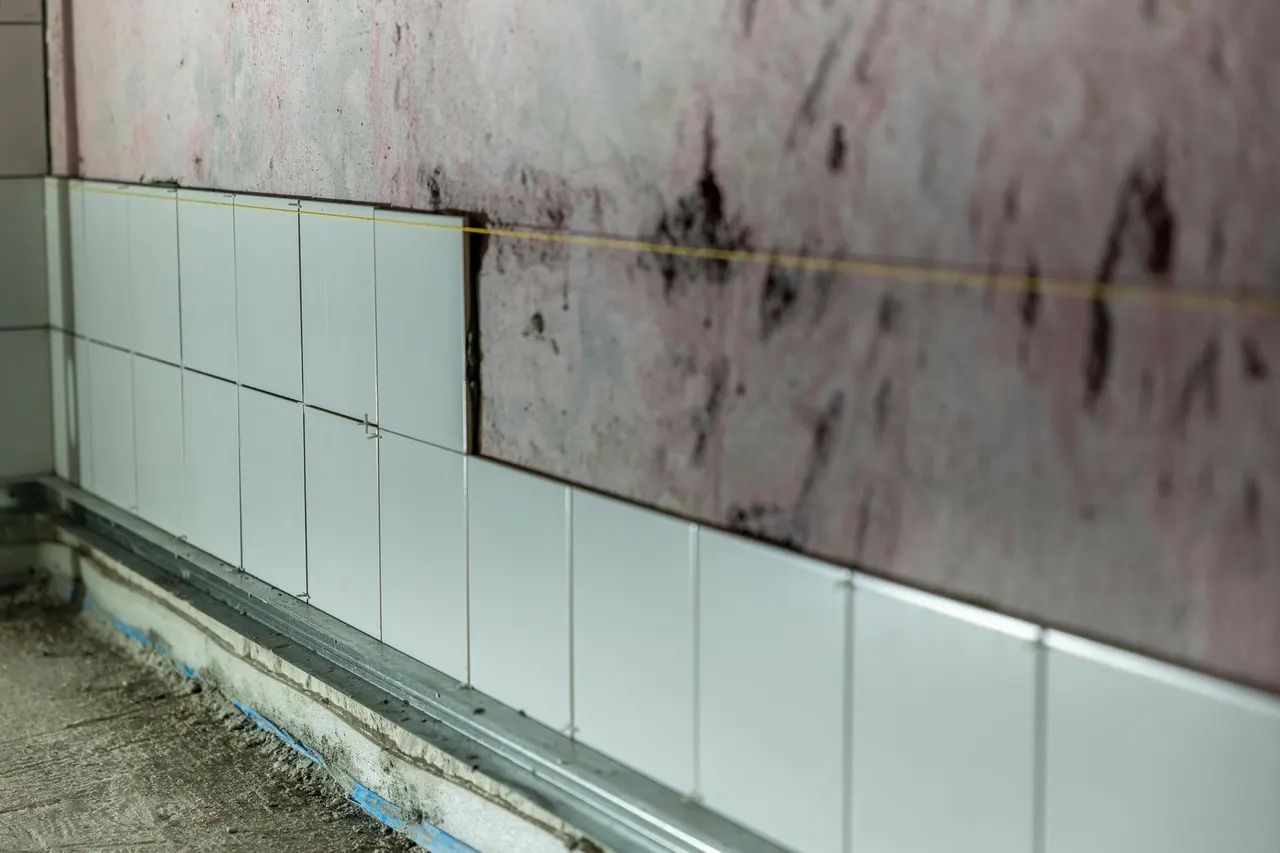
Runs during treatment to capture airborne spores and keep them from spreading to clean areas of your home.
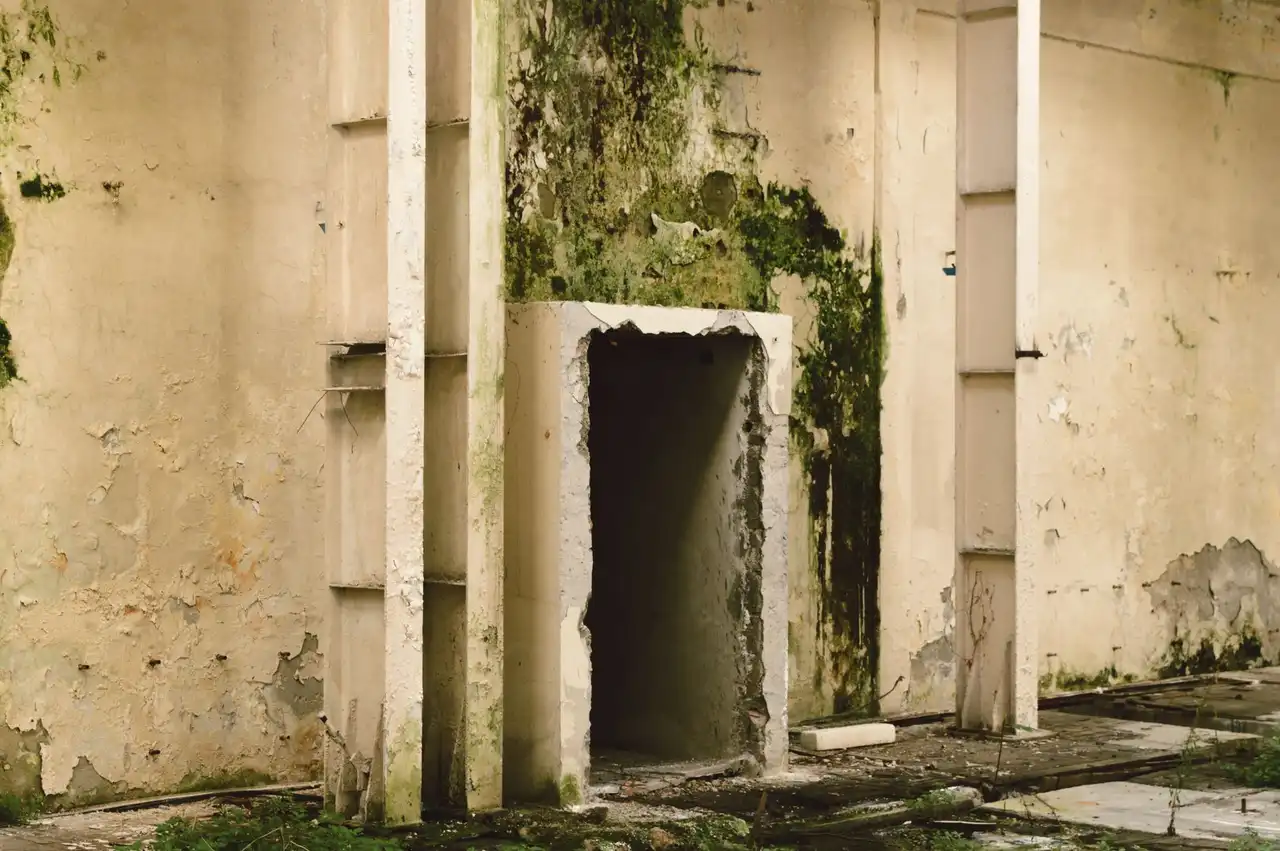
Creates negative pressure in the work zone so air flows in, not out. This keeps spores contained during treatment.
Thermal views are illustrative, generated from the photographs.
Applies antimicrobial fogging to wall cavities, attics, and crawl spaces. Reaches areas a sprayer can't.
Keeps humidity below 50% after treatment to extend the life of the antimicrobial coating.
We follow the IICRC AMRT standard for antimicrobial application. This covers product selection, application methods, and safety. It's the industry standard for mold remediation and antimicrobial treatment.
We use Concrobium, Benefect, ShockWave, and Fiberlock antimicrobials. Every product is EPA-registered for its specific use. We don't dilute beyond label specs.
We isolate the work zone with polyethylene sheeting and duct sealant. This keeps spores from spreading during treatment. Negative air machines maintain containment.
On structural wood and framing, we apply an antimicrobial coating that seals the surface. This provides long-term protection against regrowth. The coating is paintable after 24 hours.
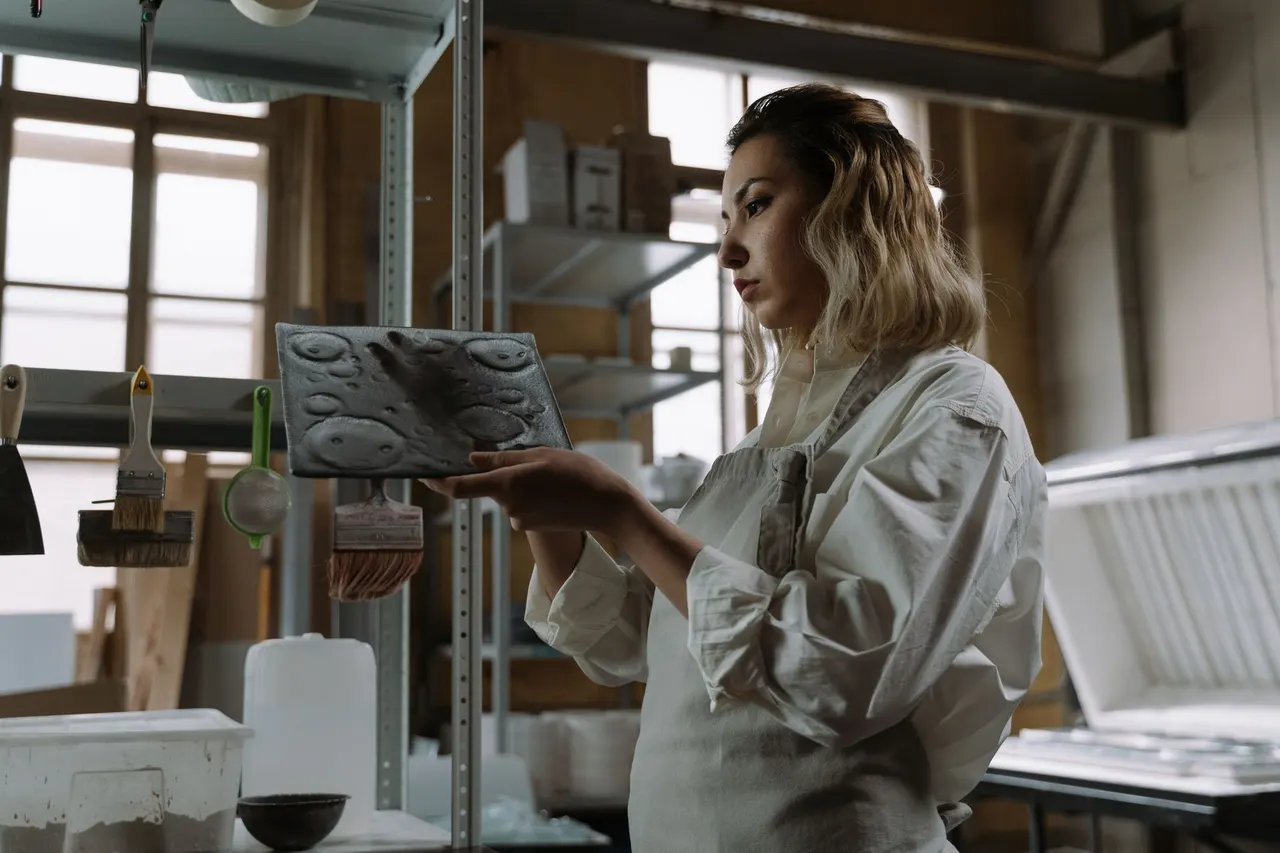
After a roof leak in a Lakewood bungalow, mold grew on attic sheathing and rafters.
We removed the mold, HEPA vacuumed the framing, and applied antimicrobial spray followed by encapsulation coating. The treatment covered 400 square feet of attic space.
Outcome: The attic stayed mold-free through the next rainy season. The homeowner avoided a full attic re-deck.
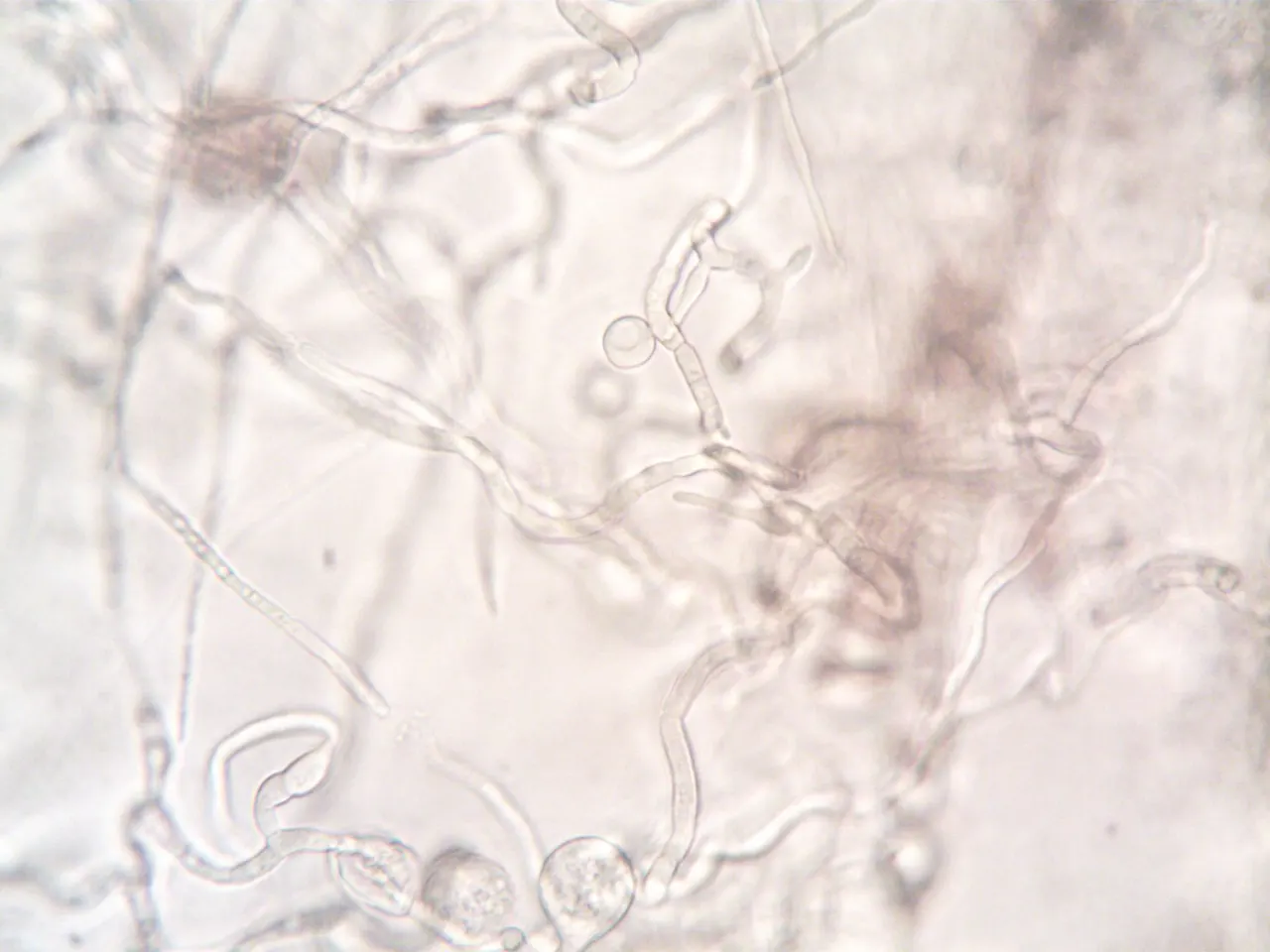
A Uptown high-rise had HVAC condensation that dripped into a ceiling plenum, feeding mold in the ductwork.
We cleaned the air handler and ducts, then applied antimicrobial fogging to the plenum and coating to duct interiors. The work was done after hours to avoid tenant disruption.
Outcome: Air quality tests came back clean. The property manager got documentation for the HOA and insurance.
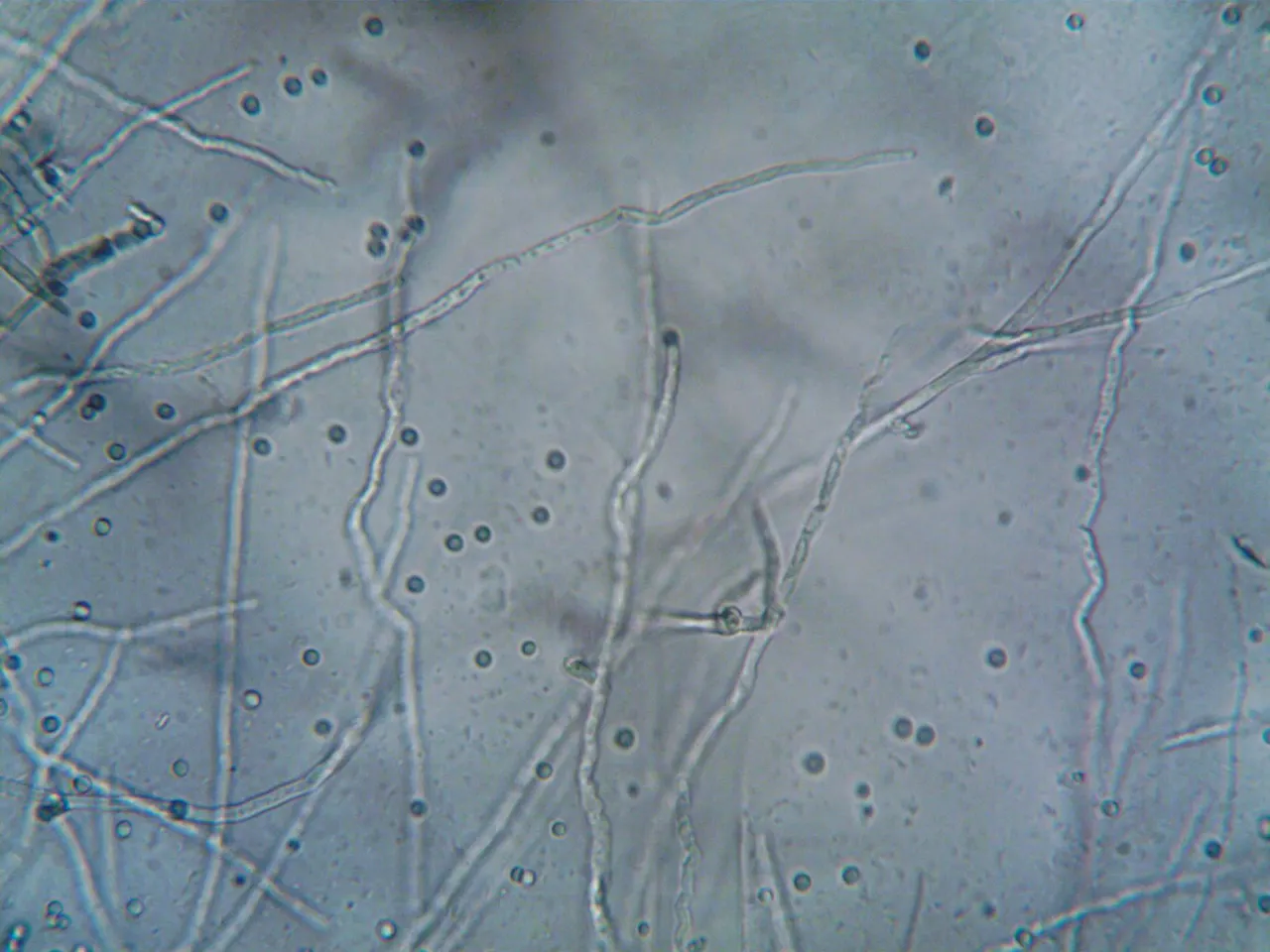
A Preston Hollow home had a slow supply-line leak behind kitchen cabinets, causing mold on drywall and framing.
We removed the affected drywall, treated the framing with antimicrobial spray, and installed mold-resistant drywall. The treatment covered 120 square feet.
Outcome: The kitchen passed final inspection. The homeowner had a written report for their insurance claim.
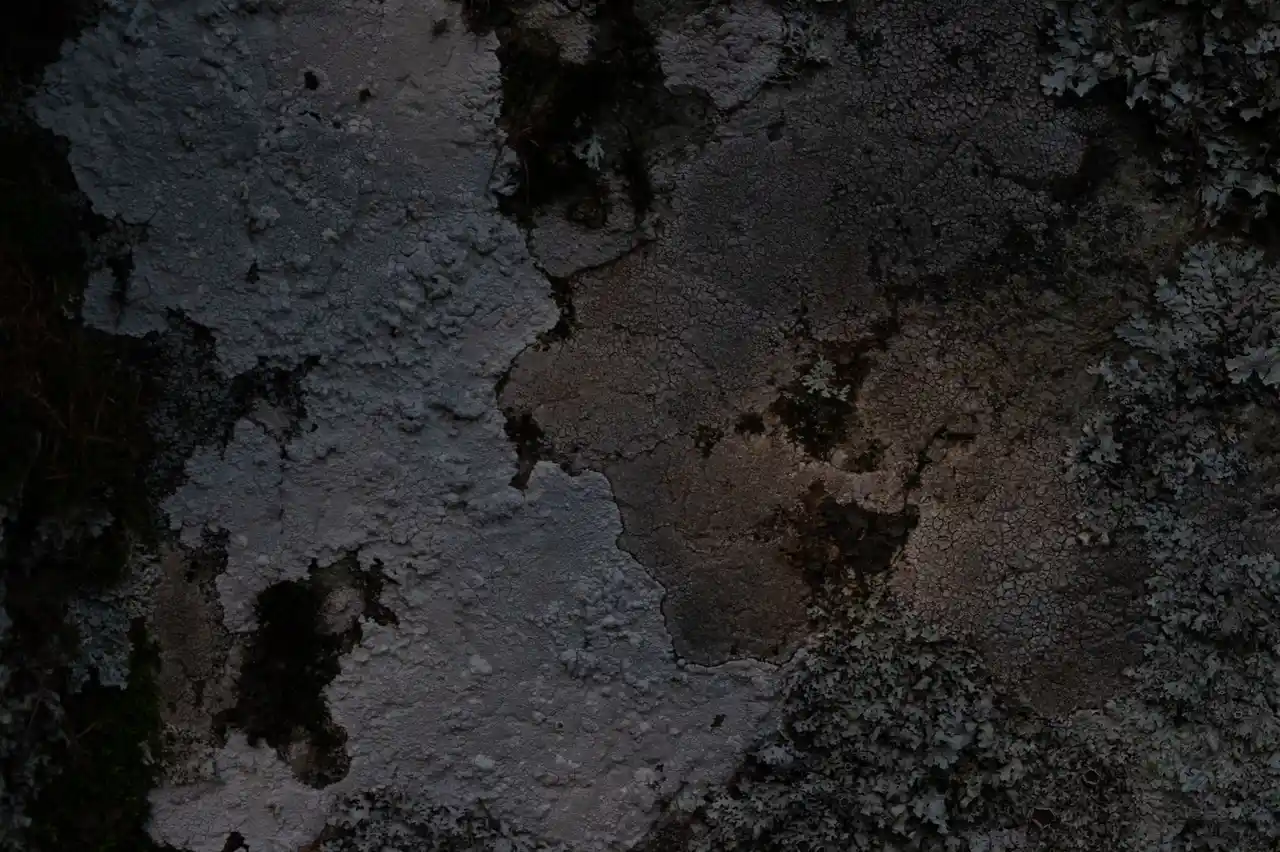
An Oak Cliff rental property had crawl space mold on joists and subfloor after a plumbing leak.
We removed the mold, applied antimicrobial coating to all wood surfaces, and installed a dehumidifier. The crawl space was treated in one day.
Outcome: The property passed a rental inspection. The landlord scheduled annual re-treatment to maintain protection.
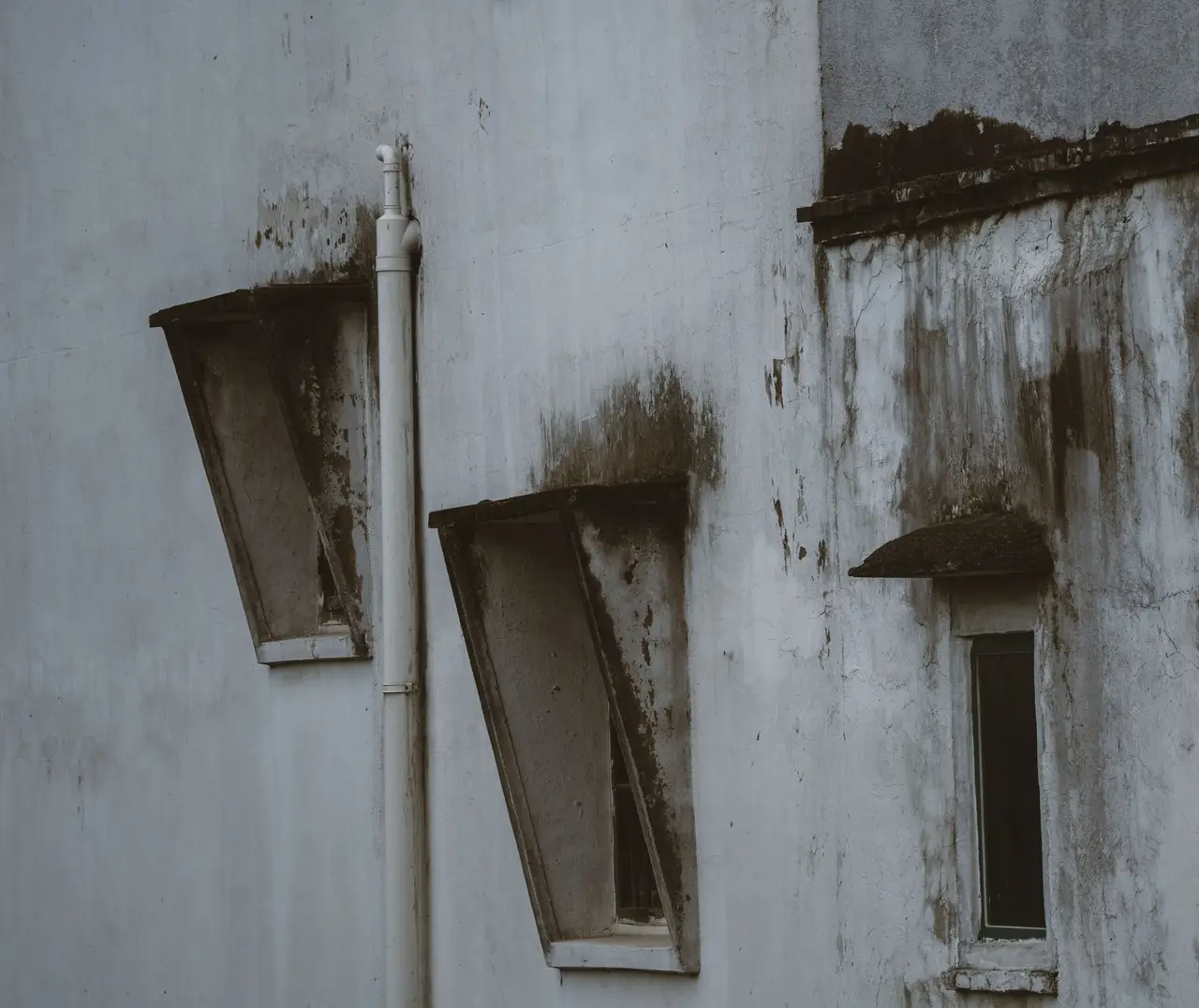
A commercial office in the Design District had mold in a storage room after a water heater failure.
We contained the area with polyethylene sheeting, ran negative air machines, and applied antimicrobial spray and fogging. The work was done over a weekend.
Outcome: The office reopened Monday with no disruption. The property manager received full documentation for the building owner.
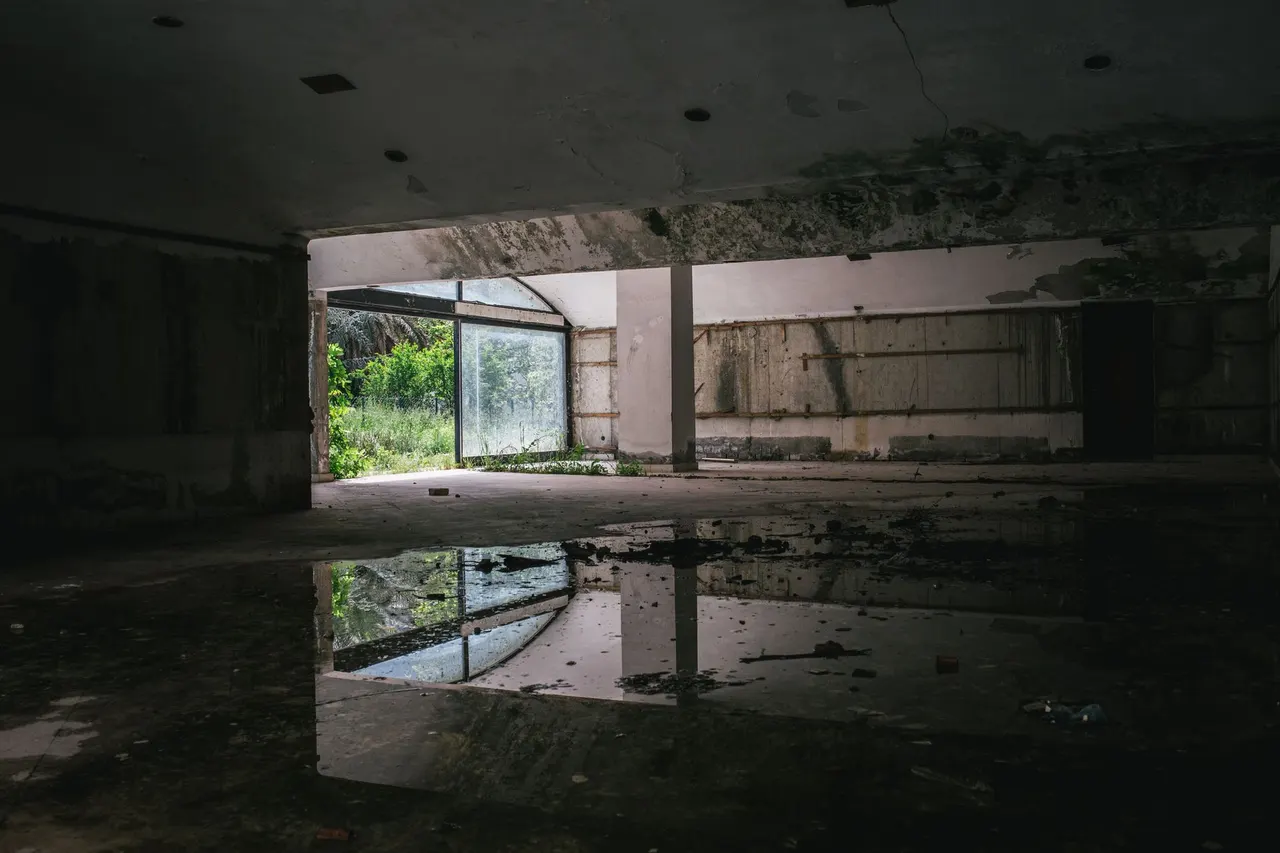
Dallas humidity averages 65% in summer and swings hard in winter. That means mold pressure never really stops. In older neighborhoods like East Dallas and Oak Cliff, pier-and-beam foundations keep crawl spaces damp year-round. In Uptown and Downtown high-rises, HVAC condensation creates hidden moisture in ceiling plenums. After a storm, roof leaks in Lakewood and Preston Hollow feed attic mold.
We treat all of these scenarios with antimicrobial spray, fogging, and encapsulation coating. For commercial antimicrobial treatment Dallas TX jobs, we schedule after hours and use negative air machines to keep tenants isolated. If you're searching for antimicrobial treatment after mold removal Dallas, we handle the full sequence: removal, treatment, and documentation.
We serve 75098, 75287, and 75230 regularly, and we know how Dallas building stock behaves.
Before: A roof leak soaked attic sheathing and rafters for weeks before the homeowner noticed. Mold covered 400 square feet of framing. The attic smelled musty and the homeowner was worried about air quality.
After: We removed the mold, HEPA vacuumed the framing, and applied antimicrobial spray followed by encapsulation coating. Post-treatment moisture readings were below 12%. The attic stayed mold-free through the next rainy season.
We recommended annual attic inspections before spring rains. A dehumidifier keeps humidity below 55% during summer.
Before: A plumbing leak under an Oak Cliff rental soaked the crawl space. Mold grew on joists and subfloor. The property failed a rental inspection and the landlord needed a fix fast.
After: We removed the mold, applied antimicrobial coating to all wood surfaces, and installed a dehumidifier. The crawl space was treated in one day. The property passed re-inspection the following week.
The landlord scheduled annual re-treatment. The dehumidifier runs continuously to keep humidity below 50%.
Before: HVAC condensation dripped into a ceiling plenum in a Uptown condo building. Mold grew in the ductwork and plenum. Tenants complained of musty odors and allergy symptoms.
After: We cleaned the air handler and ducts, then applied antimicrobial fogging to the plenum and coating to duct interiors. Air quality tests came back clean. The work was done after hours with no tenant disruption.
The property manager scheduled semi-annual HVAC inspections. Antimicrobial coating inside ducts lasts 6 to 12 months.
Antimicrobial treatment addresses the problems that come back after remediation if you skip the final step. Here's what we see most often in Dallas.
Stops mold from returning after remediation and protects your repair investment.
Mold spores are everywhere in Dallas air. After remediation, they can land on cleaned surfaces and restart within 48 to 72 hours if humidity stays above 60%. Our antimicrobial spray leaves a residual barrier that inhibits that regrowth, buying you months of protection instead of days.
That musty smell isn't just unpleasant. It's microbial volatile compounds from active mold. Antimicrobial fogging Dallas TX reaches into wall cavities, attic sheathing, and crawl spaces where odor-causing spores hide. Most customers notice the smell is gone within 24 hours of treatment.
Your HVAC system moves 1,200 to 2,000 cubic feet of air per minute through Dallas homes. If mold spores are in the ducts, they recirculate every time the system runs. We fog the plenum and apply antimicrobial coating inside ductwork to break that cycle. This pairs directly with air duct cleaning and sanitization.
New drywall, fresh insulation, and rebuilt framing cost real money. Without antimicrobial treatment, those materials are vulnerable to the same moisture that caused the original problem. That math works.
Clear records you can keep and share.
Before and after photos of treated areas
What was treated and what products were used
Pre and post-treatment moisture levels
When it's safe for pets and family
Removal takes out the mold you can see. Antimicrobial treatment handles the spores you can't.
Physical removal of mold and contaminated materials
Kills remaining spores and leaves protective barrier
Seals structural wood for long-term protection
A list like this tells people straight away whether you cover their street. Not listed? Call and ask: it only takes a minute.
Based in Dallas and covering the places around it. Pick one for local details.
Antimicrobial treatment for mold in Dallas TX is a post-remediation service that kills remaining mold spores and applies a protective coating to prevent regrowth. We use EPA-registered products like Concrobium and Benefect, applied with sprayers and foggers. It's not a standalone fix for active mold growth. It's the final step after remediation to make sure the job stays done.
The residual protection from antimicrobial coating lasts 6 to 12 months in most Dallas homes, depending on humidity levels and surface type. In crawl spaces and attics where humidity swings, we recommend re-treatment every 6 to 9 months. In conditioned living spaces with humidity below 55%, you can expect closer to 12 months. We'll give you a specific timeline based on your property.
Yes, once the product is fully dry. We use EPA-registered antimicrobials like Concrobium and Benefect that are safe for pets and children after drying, typically 2 to 4 hours depending on humidity and airflow. We'll tell you exactly when it's safe to let pets back into the treated area. During application, keep pets out of the work zone.
Yes, if you want the remediation to last. Remediation removes visible mold and contaminated materials. Antimicrobial treatment kills spores that remain on surfaces and leaves a protective barrier. Without it, spores can recolonize within 48 to 72 hours if moisture returns. In Dallas humidity, that's a real risk. The treatment is the difference between a job that holds and one that comes back.
Other services from the same team.
If you've had mold remediation or water damage, antimicrobial treatment is the step that keeps it from coming back. Call us at (214) 817 0145. We'll schedule a visit, explain what we'll do, and give you a written price before we start.
Call (214) 817 0145 or email info@dallasmoldremediation.com to schedule an inspection. We answer the phone Monday through Friday, 8:00 AM to 6:00 PM, and we return after-hours messages first thing the next morning. Same-day inspections are available across Dallas County when you call before noon.