For Homes
We remove mold from walls, attics, and crawl spaces without spreading spores through your house. You get a written scope and daily updates.
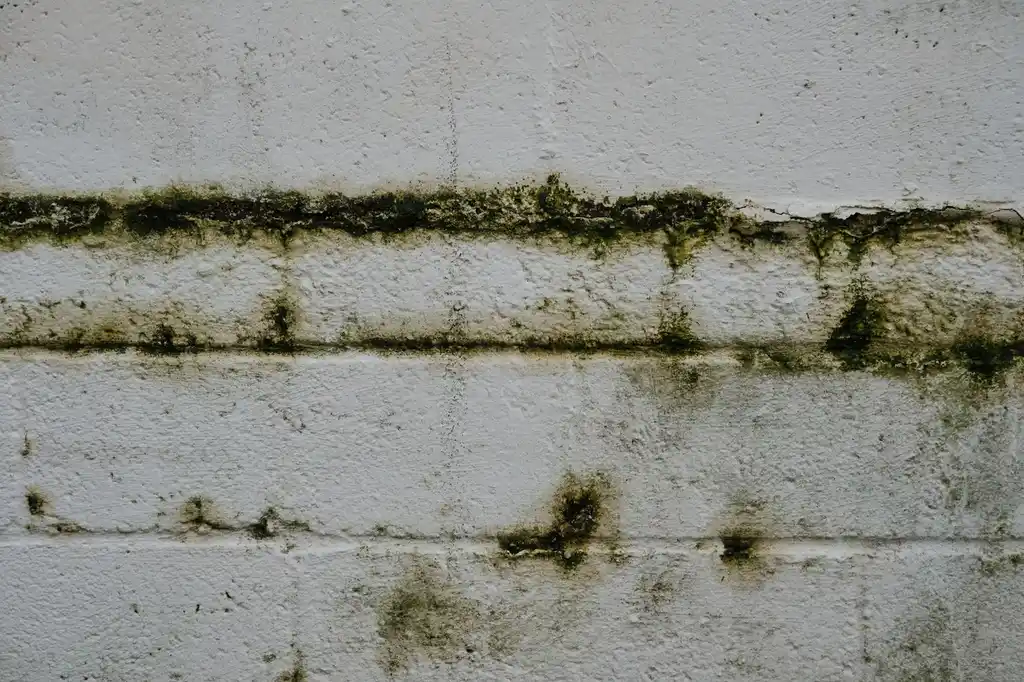
- Bathroom wall mold
- Attic mold after roof leak
- Crawl space mold
Black Mold Removal Dallas TX starts with finding the moisture source, not just spraying bleach on the wall. We handle toxic black mold remediation Dallas Texas for homeowners, landlords, and property managers who need the mold gone and the cause fixed. Our team documents every step, from thermal imaging to final air clearance, so you know exactly what was removed and why it came back the first time.
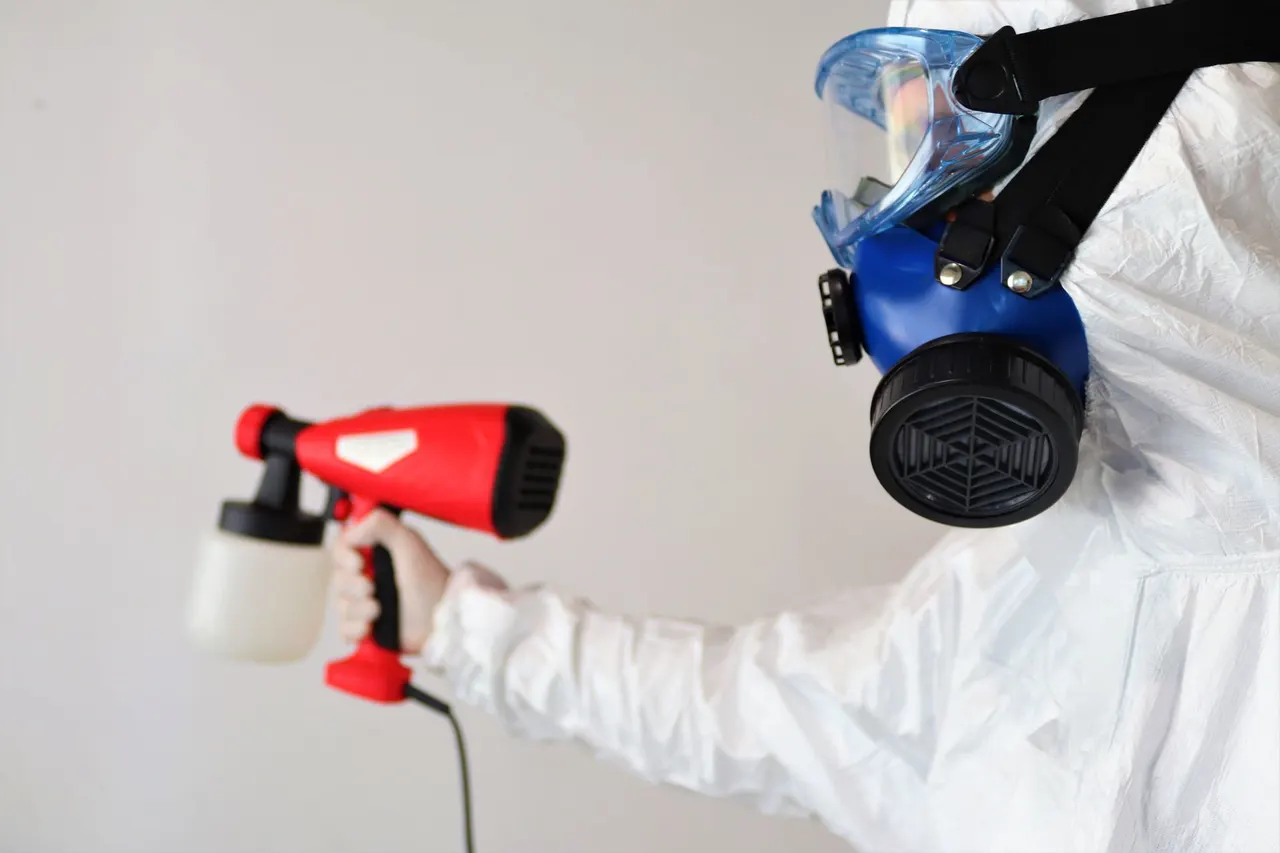 Moisture mappingContainment setupAir clearance
Every black mold removal job is different, but the core scope is the same. Here is what we handle on a standard residential or commercial remediation. If you need something outside this list, we will tell you upfront and give you a separate price.
We use a moisture meter, thermal imaging camera, and boroscope to find mold and the water source. You get photos and a written scope before work starts. This usually takes 45 to 90 minutes.
We seal the work zone with polyethylene sheeting and run a negative air machine plus air scrubber with HEPA filters. This keeps spores out of clean areas. Setup takes two to four hours.
We remove moldy drywall, insulation, and other porous materials, bag them inside containment, and haul them out. Structural surfaces get HEPA vacuuming and antimicrobial spray. Most jobs take one to three days.
We place Dri-Eaz or Phoenix Restoration dehumidifiers and air movers to bring framing and wall cavities below 15 percent moisture content. This runs 24 to 72 hours. We check readings daily.
After removal, we apply EPA-registered antimicrobial products like Benefect or Concrobium to framing, subfloor, and concrete. This stops regrowth. It is included on every job.
We take post-remediation air samples and give you a completion report with photos, moisture logs, and lab results. This is what your insurance adjuster needs. We walk you through the findings.
The approach is the same for a home and a business. What changes is the access, the schedule and who needs the paperwork.
We remove mold from walls, attics, and crawl spaces without spreading spores through your house. You get a written scope and daily updates.
We contain the work zone and run HEPA air scrubbers so your space stays usable. Documentation is provided for your property manager and insurance.
A plain-language look at what Black Mold Removal involves and when it is needed.
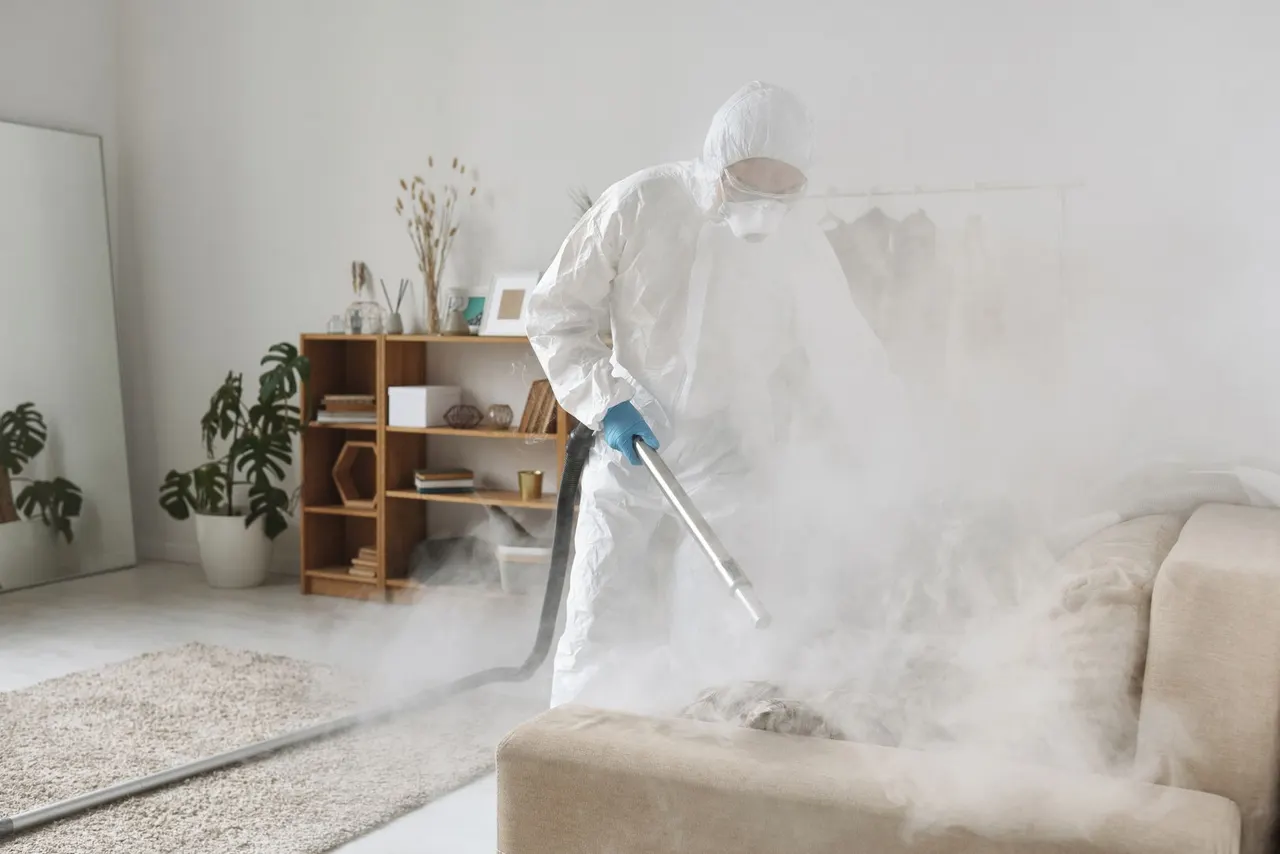
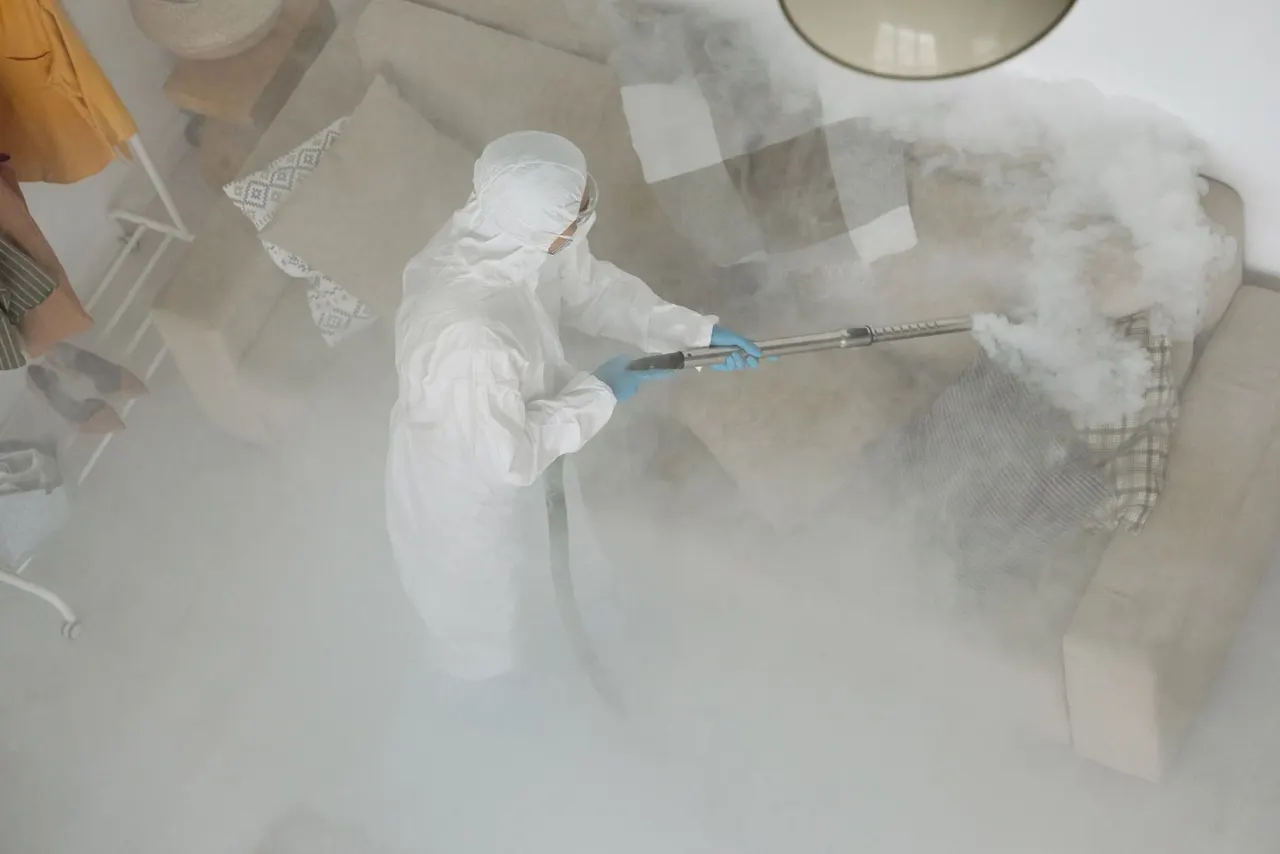
See how it worksBlack mold removal in Dallas is a controlled demolition and drying process, not a cleaning job. We seal off the affected room with polyethylene sheeting, run a negative air machine and air scrubber with HEPA filters, then remove porous materials like drywall and insulation that mold has colonized. A moisture meter and thermal imaging camera tell us where water is hiding behind the walls. We treat structural surfaces with an antimicrobial spray, often using Fiberlock or Concrobium, and finish with a fogger application to reach cavities a sponge cannot.
Dallas homes deal with black mold more often than most people realize. Summer humidity sits above 60 percent for weeks, and a roof leak or plumbing leak that drips behind a cabinet for three days is enough to start a colony. If you have been searching for black mold removal near me Dallas TX because of a musty odor in the hallway or dark spotting around an air vent, the problem is usually bigger than the visible patch. We see it in older Oak Cliff bungalows and new-build condos alike.
Mold removal starts with finding the moisture source, not just spraying the visible mold.
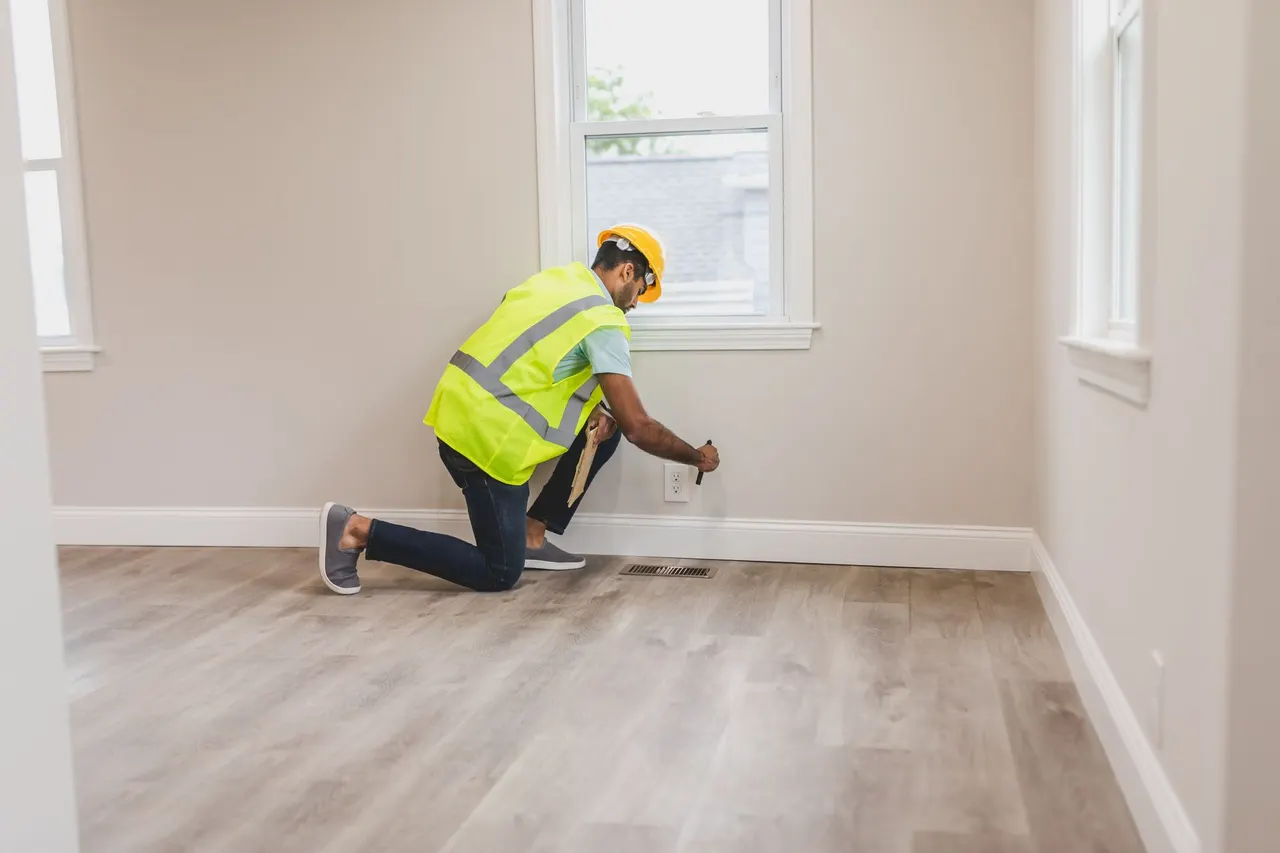
You will know what is happening on day one and what to expect each day after. Here is the sequence we follow on every Dallas job.
A technician walks the space with a moisture meter, thermal imaging camera, and boroscope to map the mold and find the water source. We check behind baseboards, inside wall cavities, and around HVAC equipment. This usually takes 45 to 90 minutes depending on square footage. You get a written scope with photos before any work begins.
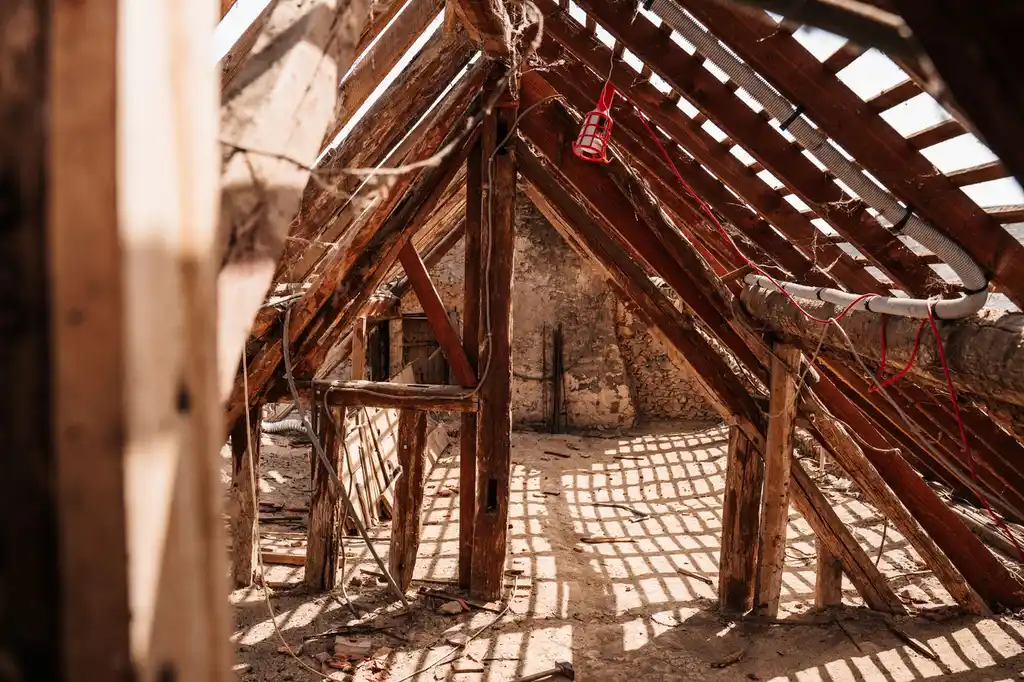
We build a sealed work zone with polyethylene sheeting and zip doors, then set up a negative air machine and air scrubber with HEPA filters. This keeps spores from spreading to clean areas of your home. Setup takes two to four hours on a typical residential job. Your HVAC system gets sealed off so mold does not get pulled into the ductwork.
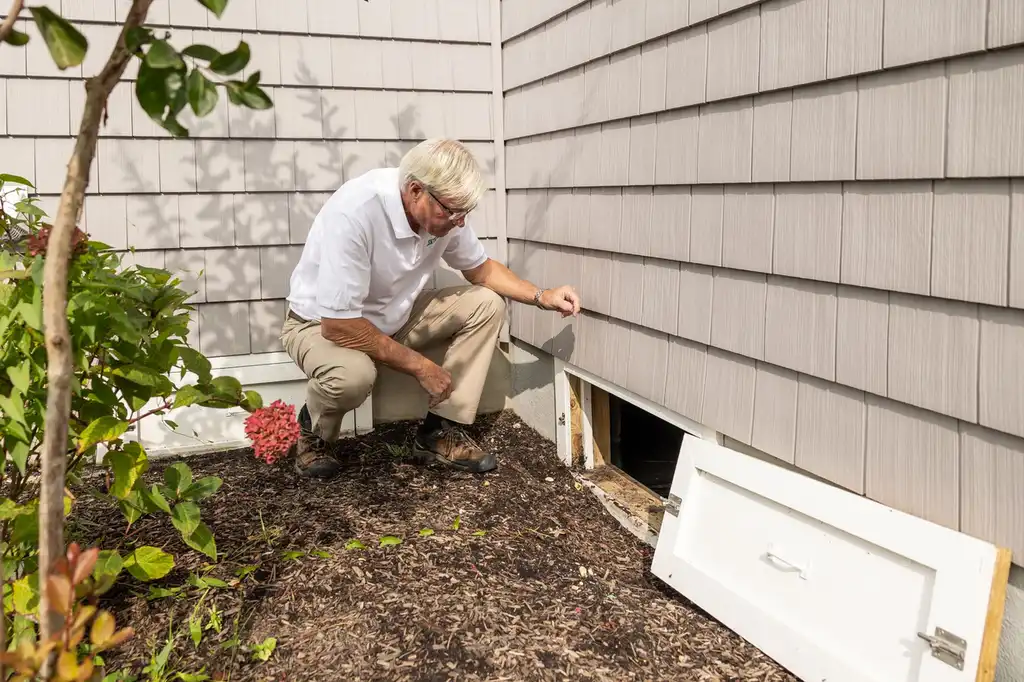
We remove moldy drywall, insulation, and other porous materials, bag them inside the containment, and haul them out through a designated path. Structural lumber gets HEPA vacuuming and an antimicrobial spray. A fogger reaches wall cavities and ceiling voids. Most residential removals take one to three days depending on how far the mold has spread.
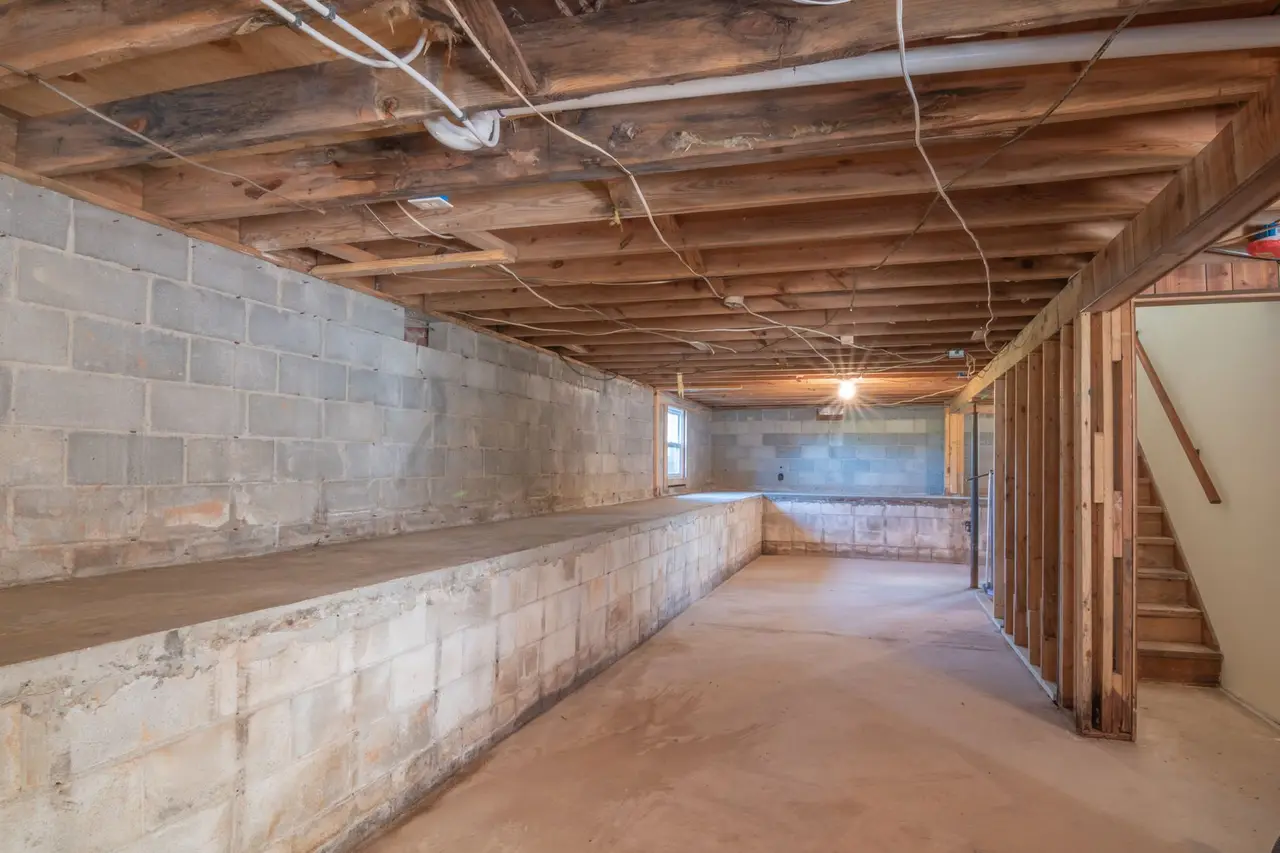
We place Dri-Eaz or Phoenix Restoration dehumidifiers and air movers inside the containment to bring wall cavities and framing down below 15 percent moisture content. This step usually runs 24 to 72 hours. We check readings daily and do not pull equipment until the structure is dry. Skipping this step is why mold comes back.
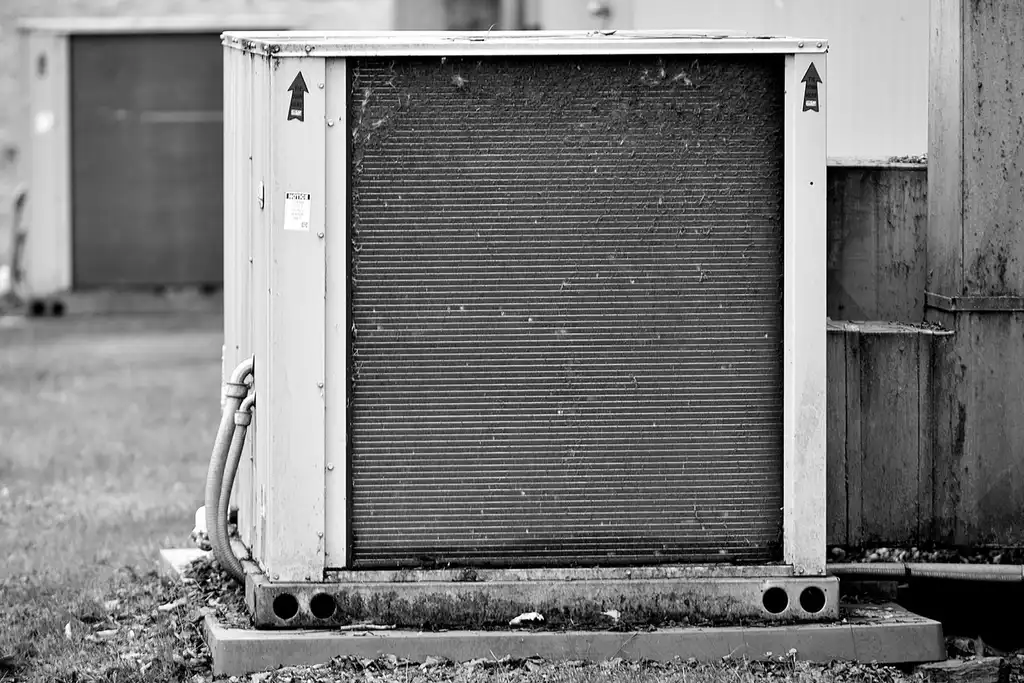
We do a final visual inspection, take air samples, and hand you a completion report with photos, moisture logs, and lab results. If you are filing an insurance claim, this packet is what your adjuster needs. We also walk you through the moisture source repair so the same problem does not return next season.
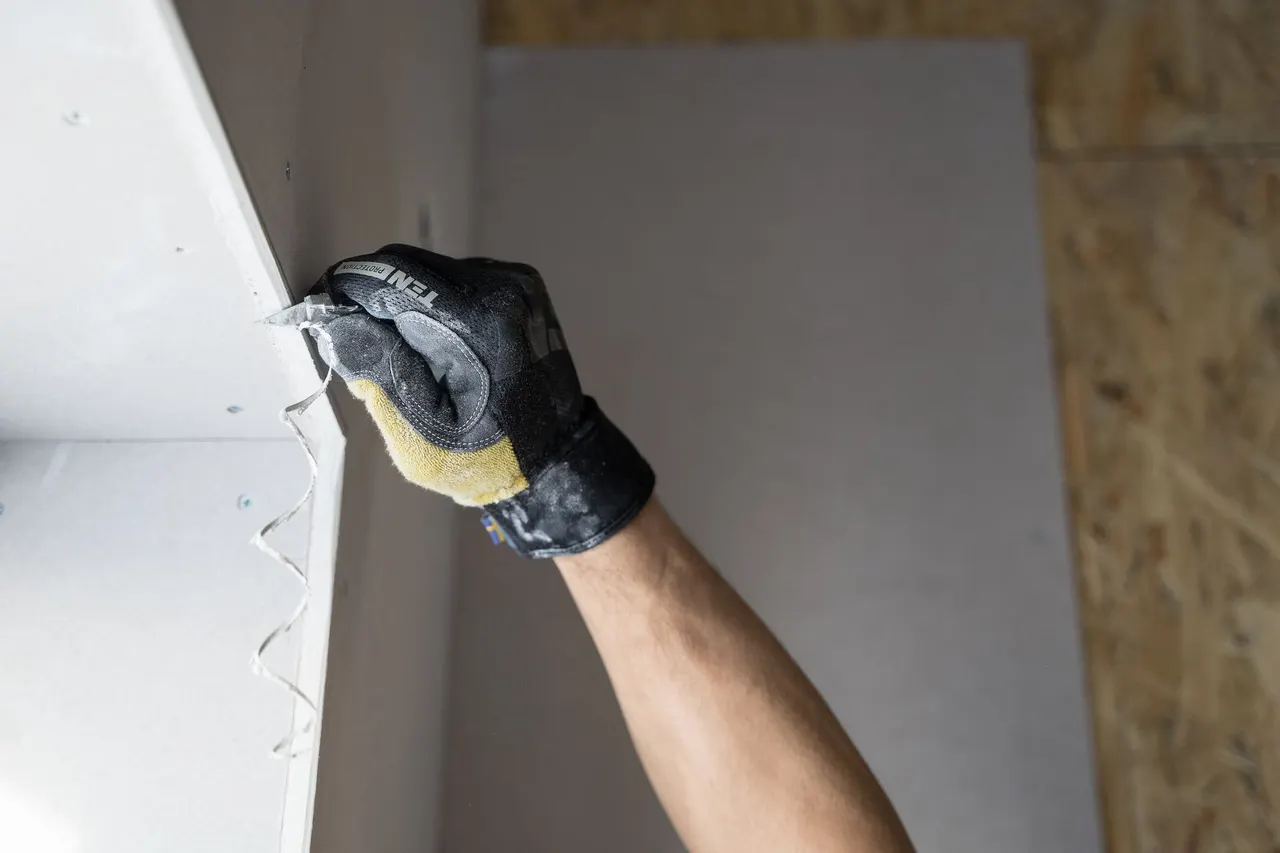
Move across a circle, or focus it and press Enter, for an illustrative thermal view of the photograph.
Finds temperature differences behind walls that indicate hidden moisture. We use it to map the mold without tearing open every wall.
Reads moisture content in drywall, framing, and subfloor. We use it to confirm the extent of water damage and to verify the structure is dry before we leave.
Filters airborne spores inside the containment. We run them continuously during removal and drying to keep air clean.
Creates negative pressure inside the containment so spores do not escape into clean areas. This is standard on every job.
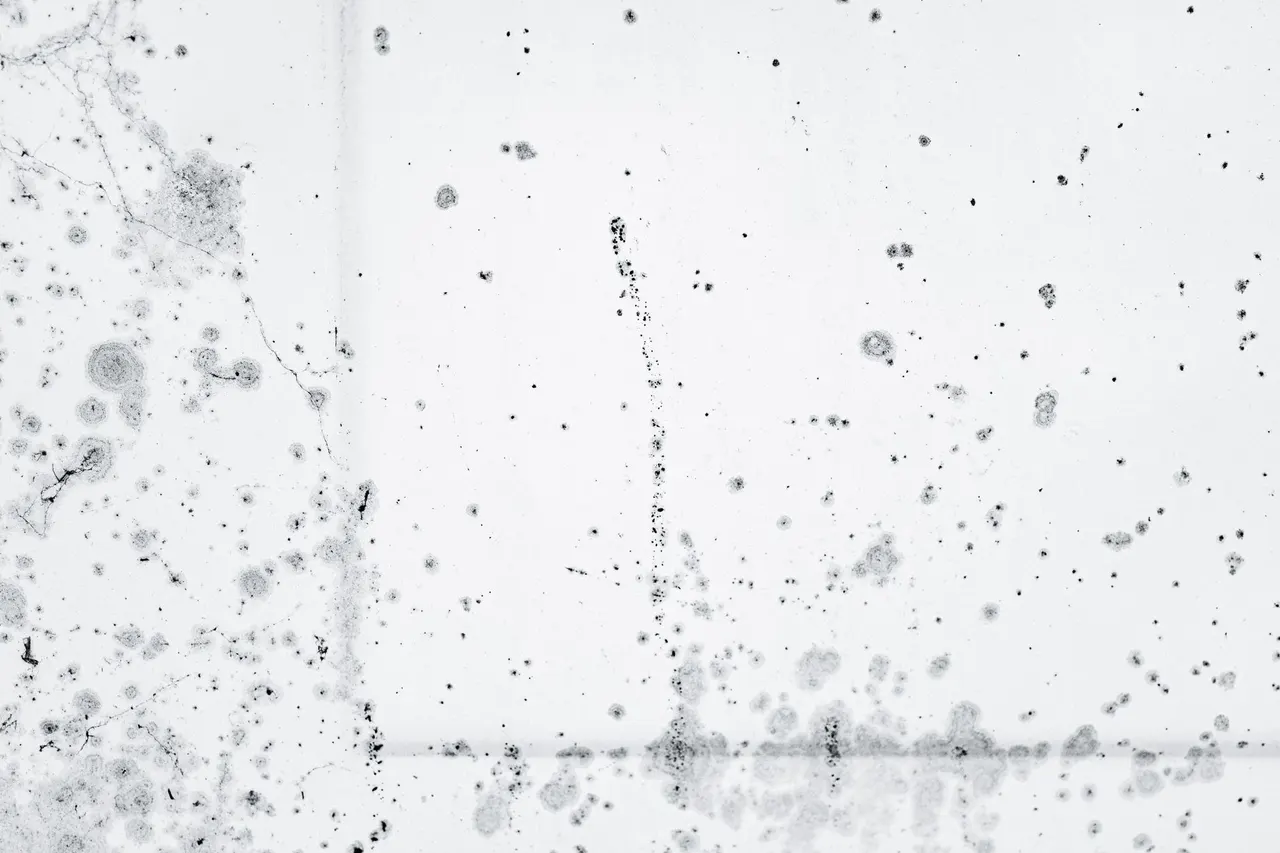
Pulls moisture out of framing and wall cavities after removal. We run them until moisture content drops below 15 percent.
Thermal views are illustrative, generated from the photographs.
Lets us see inside wall cavities and ductwork without full demolition. We use it to confirm mold growth and find the water source.
Applies antimicrobial product in a fine mist that reaches wall cavities and ceiling voids. We use it after removal to treat surfaces a sponge cannot reach.
We follow IICRC Water Restoration Technician and Applied Microbial Remediation Technician standards for every job. That means documented moisture readings, containment protocols, and post-remediation verification. It is the difference between a cleanup and a remediation.
On pre-1978 homes, we follow EPA Lead-Safe rules to prevent lead dust from entering the air during demolition. This matters in older Dallas neighborhoods like Oak Cliff and East Dallas. We test and contain accordingly.
We build sealed work zones with polyethylene sheeting and zip doors, then run a negative air machine to keep spores inside. This is not optional on our jobs. It protects your family and your belongings.
After removal, we apply EPA-registered antimicrobial products to framing, subfloor, and concrete. We use Fiberlock and Concrobium because they are proven on mold remediation jobs. This stops regrowth on surfaces that stay.
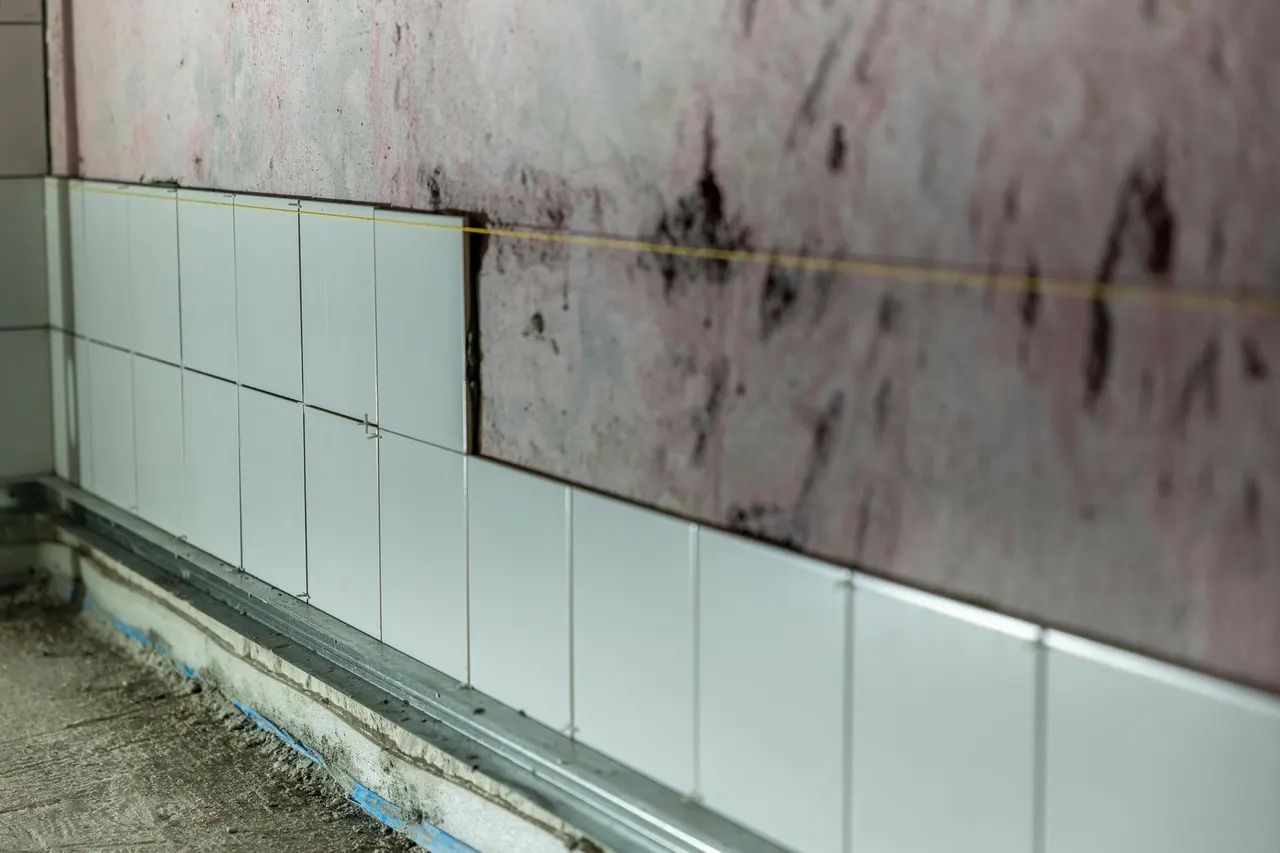
You see dark spotting on the bathroom wall after a slow leak under the sink.
We inspect with a moisture meter and boroscope, contain the bathroom, remove moldy drywall and insulation, treat the framing with antimicrobial spray, and dry the cavity with a dehumidifier. Most bathroom jobs take one to two days.
Outcome: The mold is gone, the wall is dry, and you have a written report showing the moisture source and the repair needed.
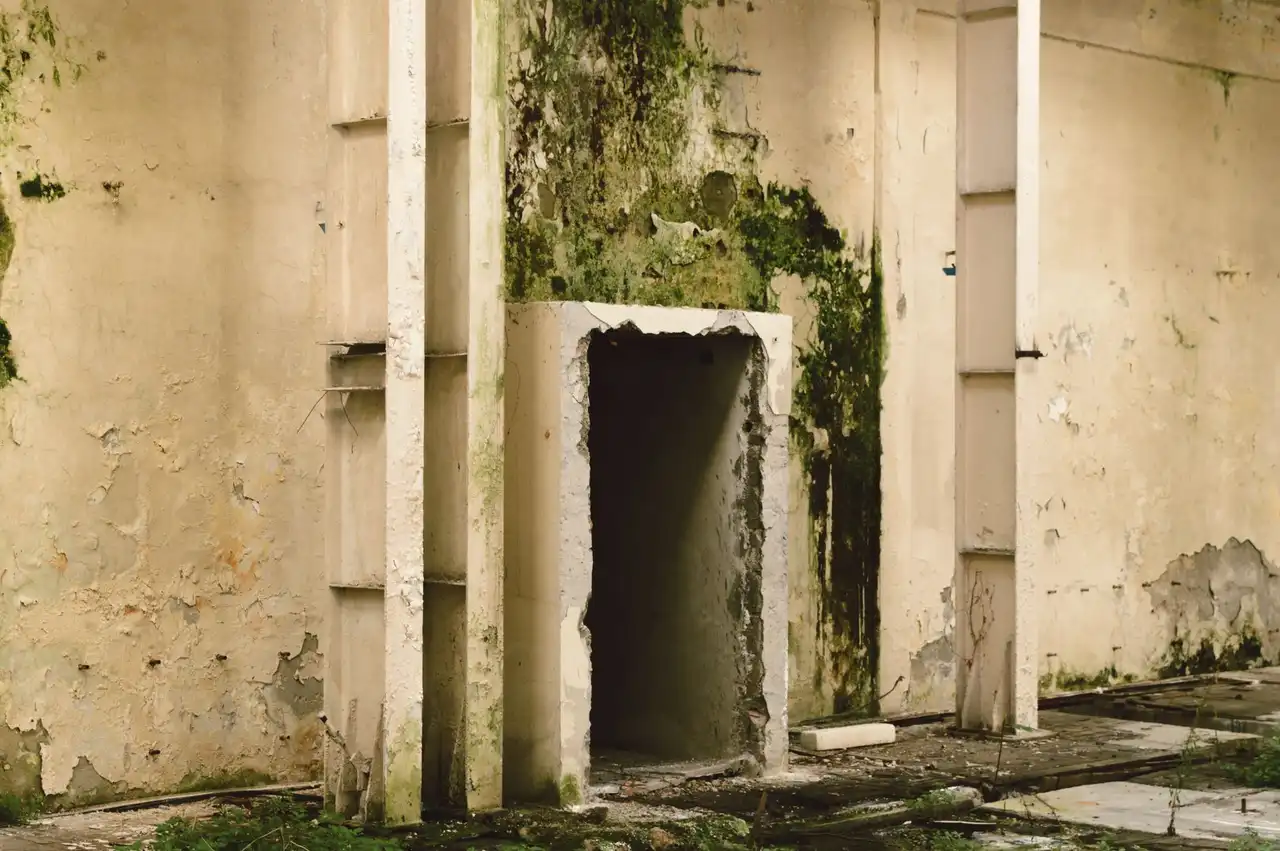
Your attic smells musty after a roof leak during a spring storm.
We inspect the attic with thermal imaging, remove moldy insulation and sheathing, HEPA vacuum the framing, apply antimicrobial treatment, and run dehumidifiers until moisture content drops below 15 percent. We document everything for your insurance claim.
Outcome: The attic is clean, dry, and ready for new insulation. You have photos and lab results to support your claim.
A tenant reports a musty odor in a rental unit and you need it handled fast.
We schedule around the tenant, contain the affected area, run air scrubbers with HEPA filters, remove moldy material, and treat surfaces with Benefect or Concrobium. We provide written documentation for your records and insurance.
Outcome: The unit is back in service in two to four days with a clean air test and a report you can file.
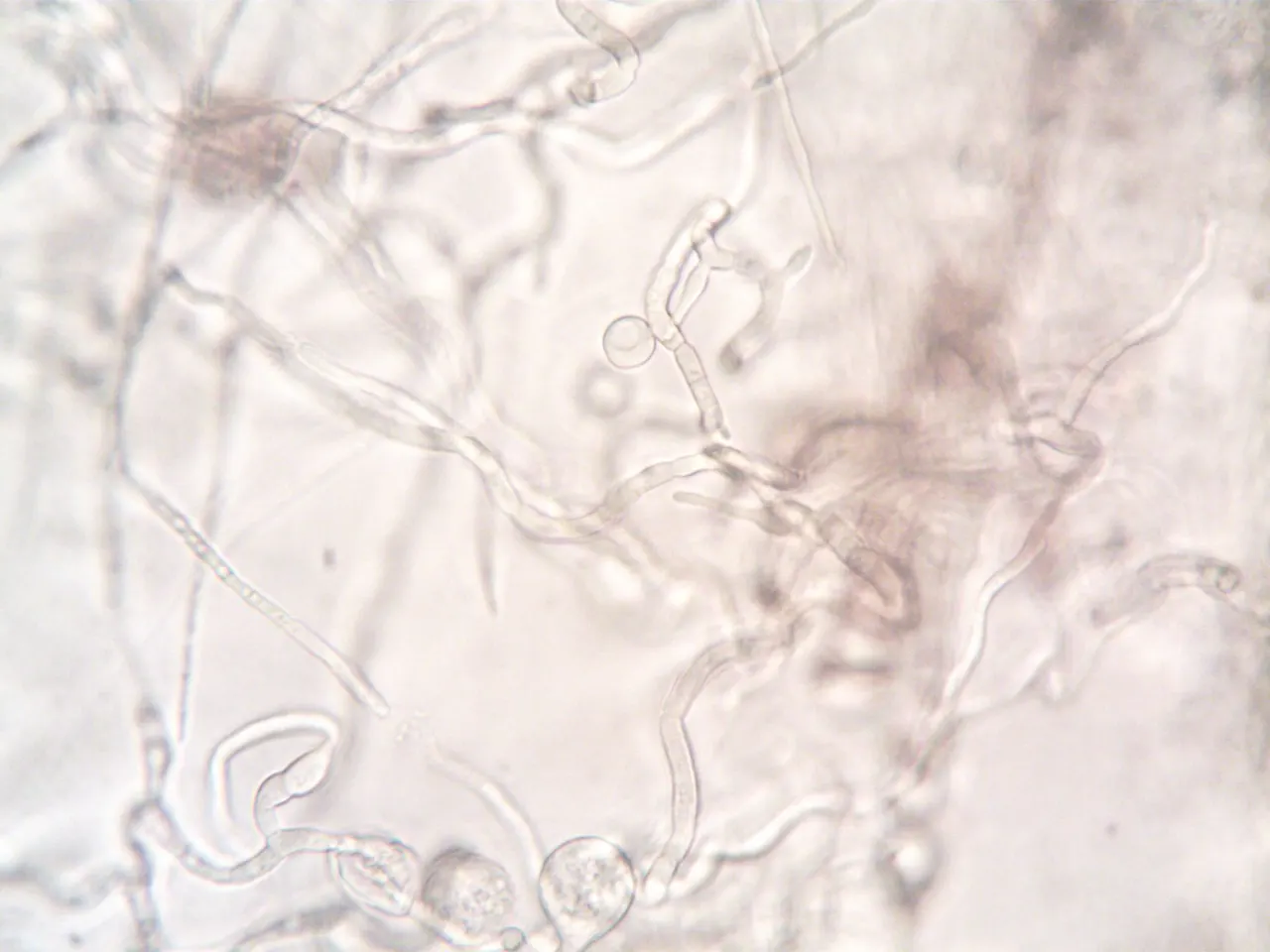
You had a previous mold cleanup and the mold came back six months later.
We find the moisture source first, whether it is a plumbing leak, roof leak, or HVAC condensation. Then we remove moldy material, dry the structure with Dri-Eaz dehumidifiers, and treat with antimicrobial spray. We tell you what repair needs to happen.
Outcome: The mold is removed and the source is identified, so you can fix the cause and stop the cycle.
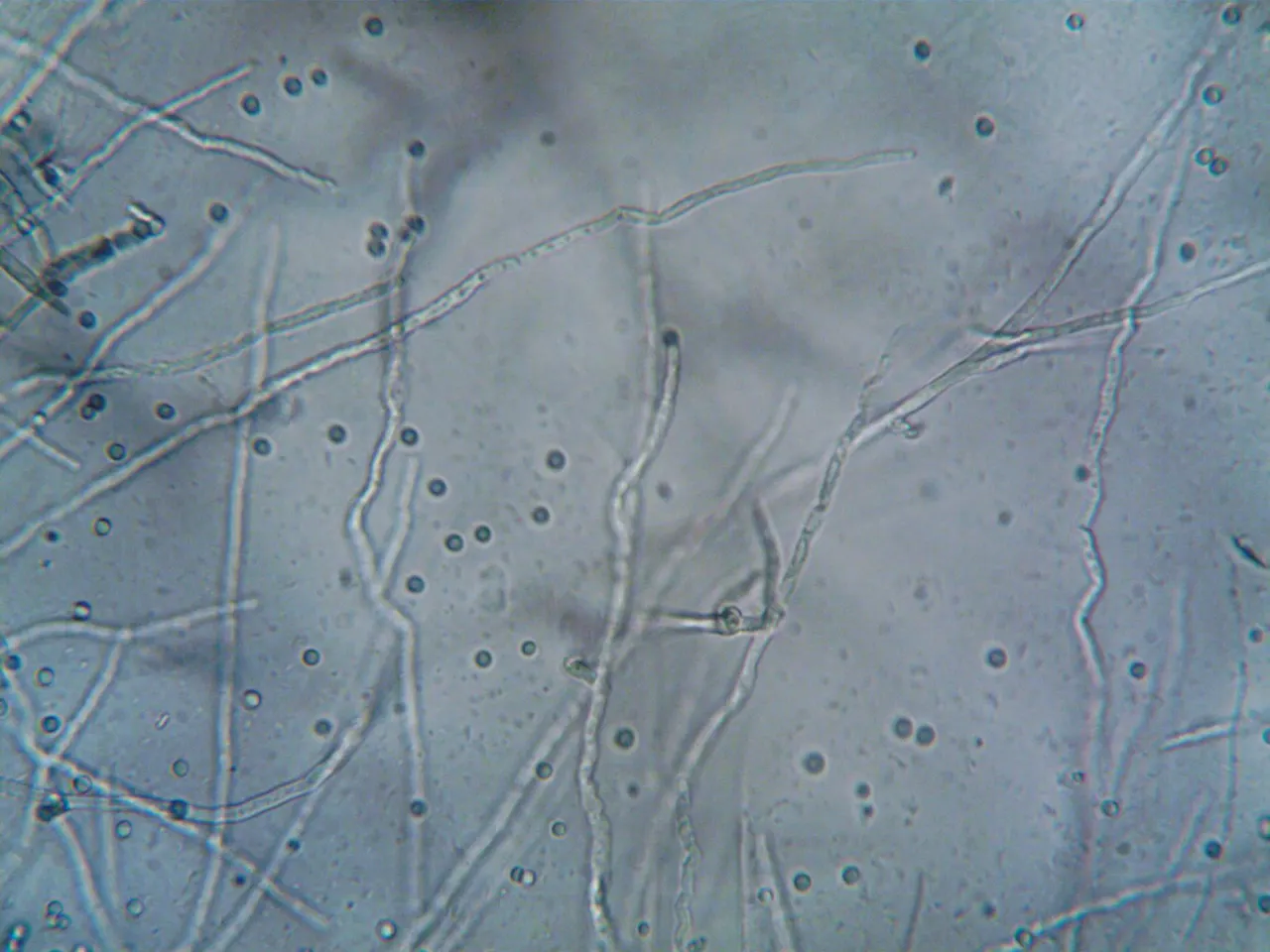
Your commercial space has mold after a roof leak and you cannot shut down.
We work nights or weekends, contain the work zone with polyethylene sheeting and negative air machines, remove moldy material, and run HEPA air scrubbers to keep the rest of the space usable. We provide full documentation for your property manager and insurance.
Outcome: The space passes clearance on the first try, and your business stays open with minimal disruption.
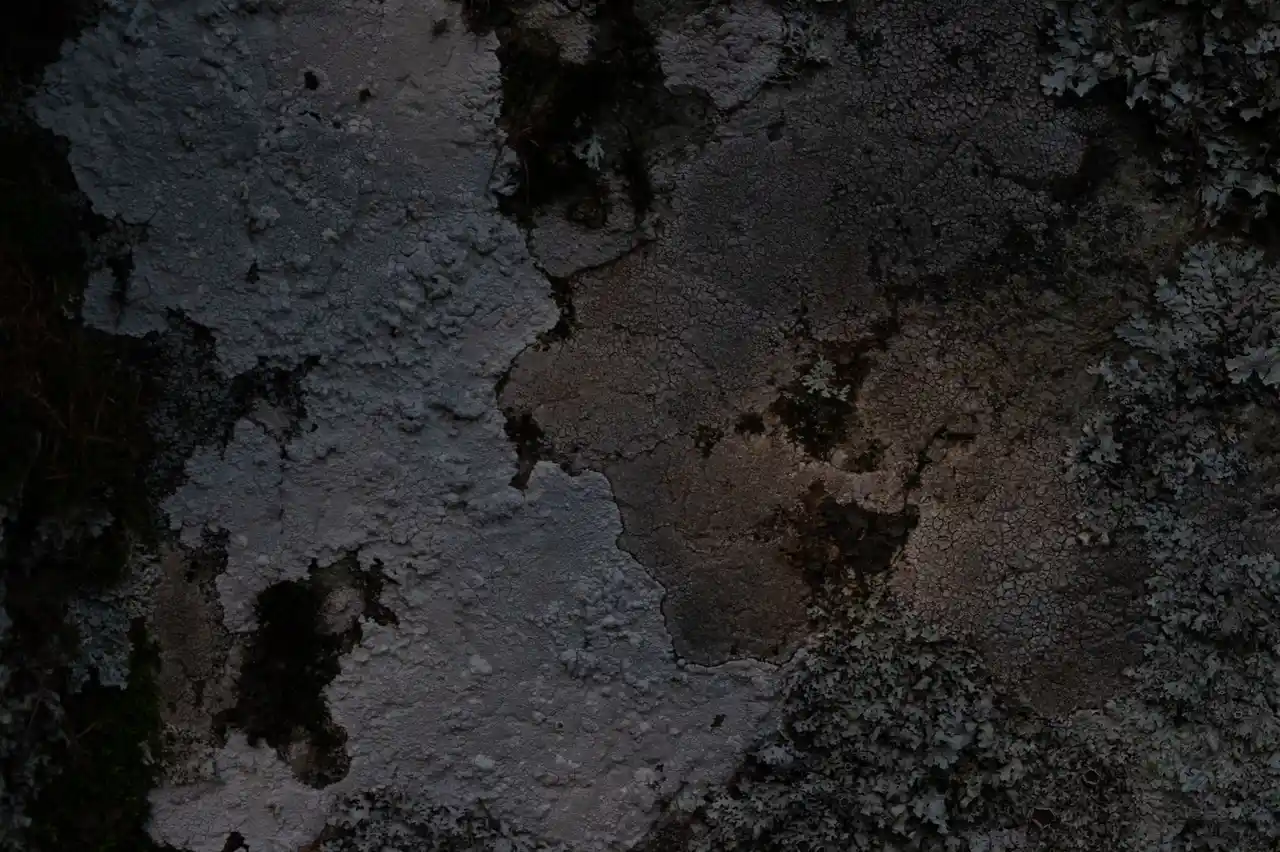
Dallas sits in a humid subtropical climate with summer humidity above 60 percent for weeks at a time. That means mold stays active longer here than in drier parts of Texas. Roof leaks from spring storms, plumbing leaks in older homes, and HVAC condensation in attics are the three most common sources we find.
Older neighborhoods like Oak Cliff, East Dallas, and Kessler Park have housing stock from the 1920s to 1950s with original plumbing and minimal ventilation. Newer construction in Uptown and Victory Park is tighter, which traps moisture from cooking and showers. We adjust our drying plan based on the building. A pier-and-beam house in M Streets dries differently than a slab-on-grade condo in Downtown Dallas.
If you are searching for how to get rid of black mold in Dallas TX, the answer starts with finding the moisture source, not just spraying the visible mold.
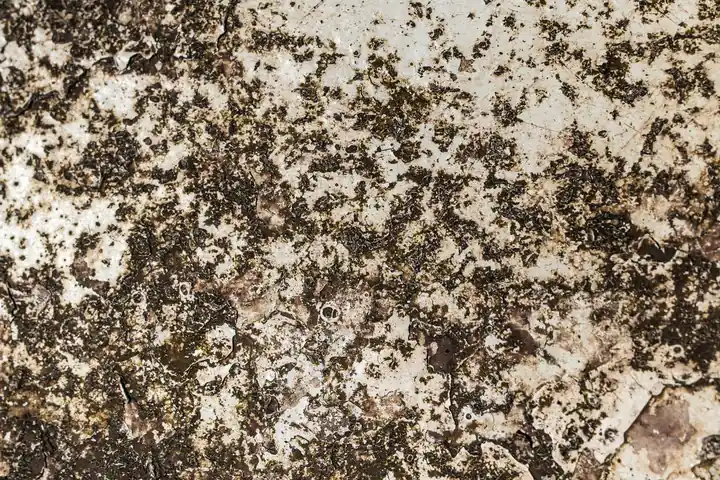
Before: A slow leak under a bathroom sink in Oak Cliff had been dripping for weeks. The homeowner noticed dark spotting on the wall and a musty odor. Moisture meter readings showed 28 percent moisture content inside the wall cavity, well above the 15 percent threshold for mold growth.
After: We contained the bathroom, removed moldy drywall and insulation, treated the framing with antimicrobial spray, and ran a dehumidifier for 48 hours. Final moisture readings were below 12 percent. Air sample came back clean on the first test.
The homeowner repaired the plumbing leak and now checks under the sink monthly. Keeping the cabinet dry and running the exhaust fan during showers prevents recurrence.
Before: A roof leak during a spring storm soaked attic insulation in an East Dallas bungalow. The homeowner smelled a musty odor but could not see mold. Thermal imaging showed moisture across 120 square feet of sheathing. Mold had colonized the insulation and roof decking.
After: We removed moldy insulation and sheathing, HEPA vacuumed the framing, applied antimicrobial treatment, and ran dehumidifiers for 72 hours. Final moisture content was below 14 percent. Lab results confirmed clean air.
The homeowner had the roof repaired and added ridge vents to improve attic ventilation. Checking the attic after heavy rain is now part of their seasonal routine.
Before: A Downtown Dallas office had a roof leak that soaked ceiling tiles and insulation over a weekend. Employees complained of musty odors and headaches. Moisture readings showed mold in the ceiling cavity and HVAC ductwork.
After: We contained the area, removed moldy ceiling tiles and insulation, cleaned the HVAC components, and ran HEPA air scrubbers for three days. The space passed clearance on the first try. The business stayed open with minimal disruption.
The property manager scheduled annual roof inspections and added moisture sensors in the ceiling cavity. HVAC filters are now changed quarterly instead of annually.
Mold is a symptom, not the root problem. Here are the situations we see most often in Dallas and how we handle them.
Clean air, dry structure, and documentation you can hand to your insurance.
We run air scrubbers with HEPA filters and a negative air machine for the entire job, then take post-remediation air samples. Most Dallas jobs clear in one round, but if spores are still elevated, we re-clean the space at no extra labor cost. You get lab results, not a verbal promise.
Removing mold without fixing the water source is wasted money. We trace roof leaks, plumbing leaks, and HVAC condensation with a moisture meter and thermal imaging camera. If the source is a failed duct sealant or a slow supply-line drip, we identify it and tell you exactly what needs repair before mold returns.
We seal doorways and vents with polyethylene sheeting and run negative pressure so spores do not migrate into your kitchen or bedrooms. Furniture and flooring get protection before demolition starts. For families with kids or anyone with respiratory issues, containment is the difference between a contained job and a whole-house problem.
Every black mold cleanup Dallas job includes photos, moisture readings, and a written scope you can hand to your insurance adjuster. We photograph the mold before removal, log the affected square footage, and note the moisture source. That documentation is what gets claims approved.
Clear records you can keep and share.
Before and after photos of affected areas.
Daily readings showing structure dried below 15 percent.
Air sample report from independent lab.
Written summary of work performed and materials removed.
Not all mold growth requires the same response. Here is how we categorize what we find.
Growth on non-porous surfaces like tile or concrete.
Growth inside drywall, insulation, or wood.
Spores circulating in air or HVAC system.
A list like this tells people straight away whether you cover their street. Not listed? Call and ask: it only takes a minute.
Based in Dallas and covering the places around it. Pick one for local details.
Yes, black mold can be dangerous, especially for people with asthma, allergies, or compromised immune systems. Stachybotrys chartarum produces mycotoxins and spores that irritate lungs and sinuses. Dallas humidity makes it worse because mold stays active longer. If you see dark spotting or smell a musty odor, get an inspection. We test before we remove so you know what you are dealing with.
We give you a written scope and fixed price before work starts.
We handle inspection, containment, removal, drying, and clearance testing. You do not need to coordinate multiple trades; we manage the whole job.
In most cases, yes, if the mold is contained to one area and we can seal it off from your living space. We run negative air machines and HEPA air scrubbers so spores do not migrate. If the mold covers a large area or your HVAC system is affected, we may recommend staying elsewhere for one to three days. We will tell you upfront which situation applies.
Other services from the same team.
Call (214) 817 0145 and we will schedule an inspection, usually same day. You get a written scope, fixed price, and a crew that has been doing this in Dallas County since 2015. Do not wait for the next rain.
Call (214) 817 0145 or email info@dallasmoldremediation.com to schedule an inspection. We answer the phone Monday through Friday, 8:00 AM to 6:00 PM, and we return after-hours messages first thing the next morning. Same-day inspections are available across Dallas County when you call before noon.