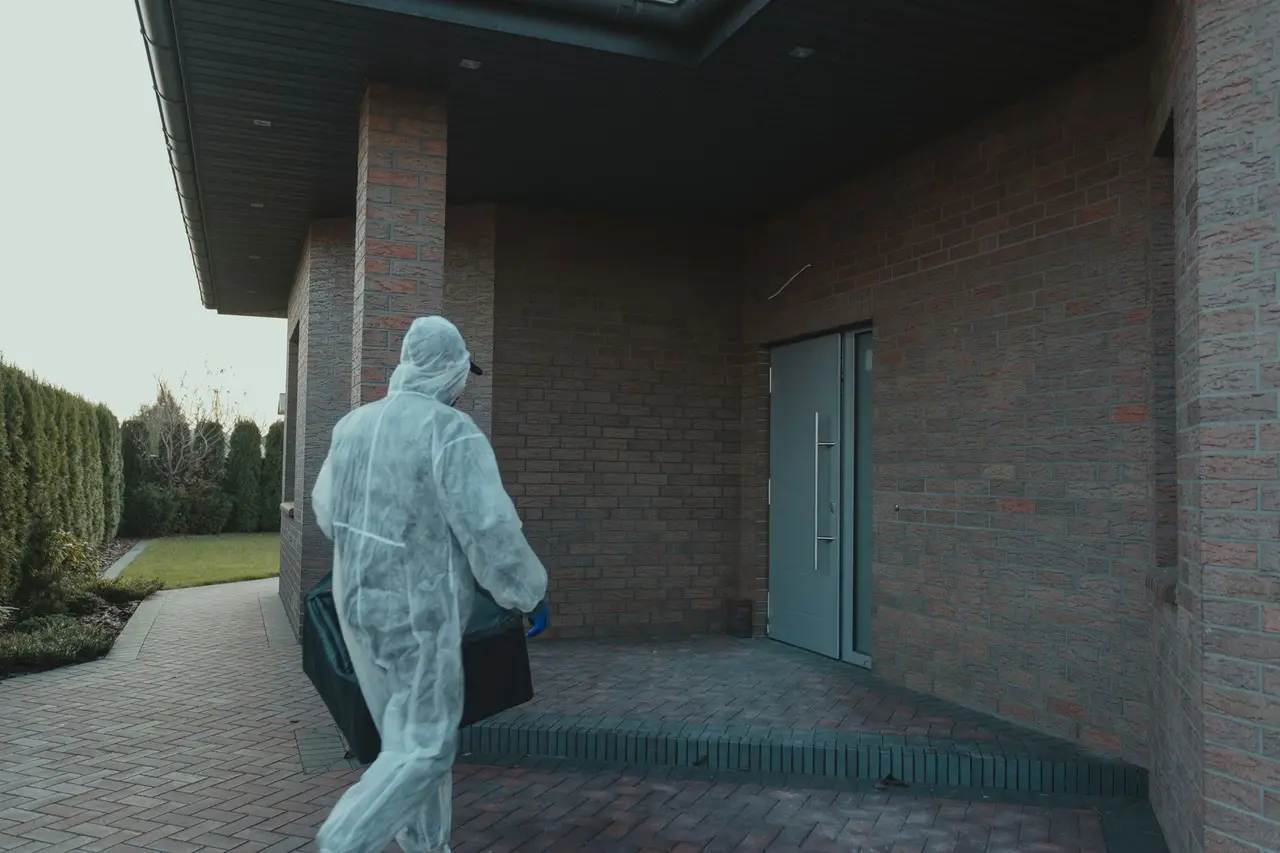
For Dallas Homes
We work under houses every day, from bungalows to new builds. You get photos, a written scope, and a moisture plan before we start.
- Musty odor in living spaces
- High humidity under the floor
- Slow leaks wetting framing
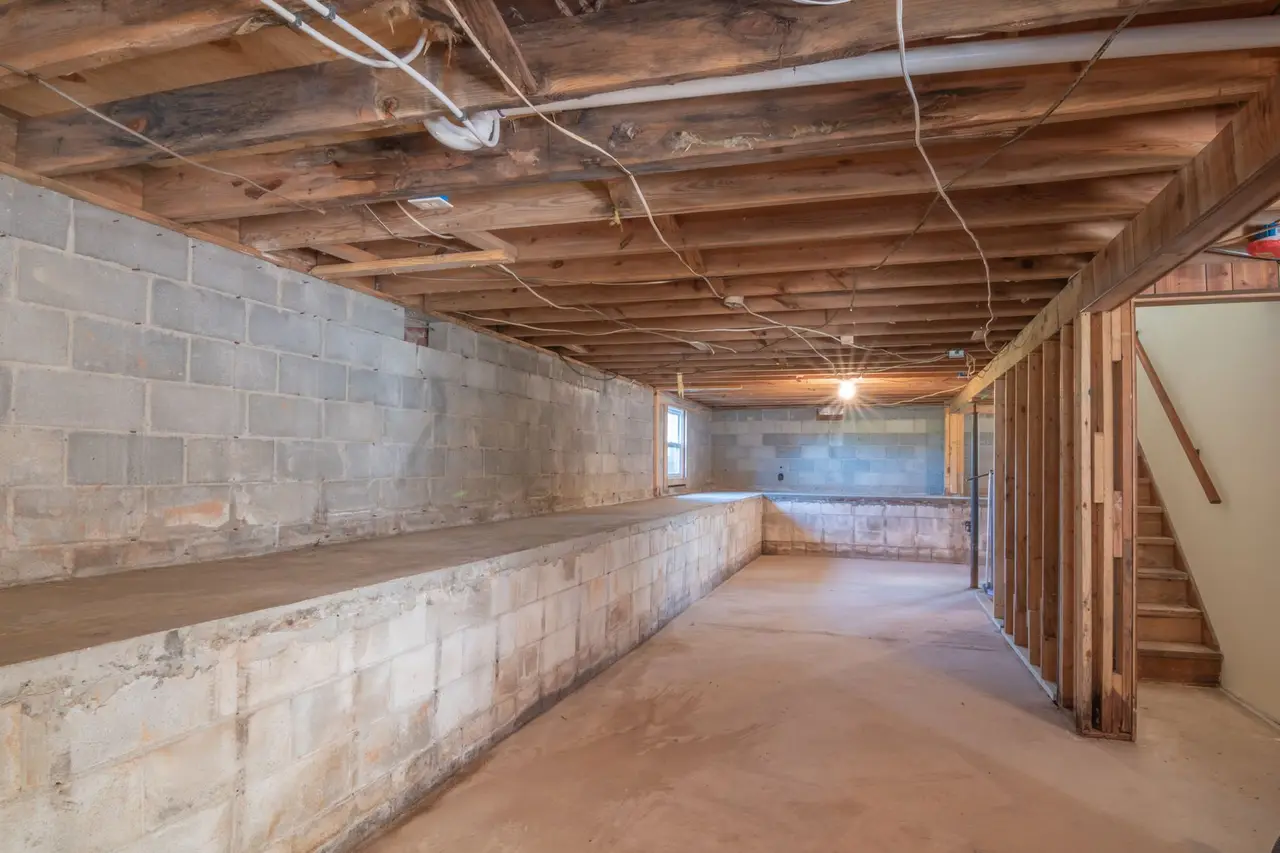
Crawl Space Mold Remediation in Dallas means finding the mold under your house, removing it safely, and fixing the moisture problem that caused it. Our team handles crawl space mold removal Dallas Texas homeowners call us for every week, from Oak Cliff bungalows to Preston Hollow pier-and-beam homes. If you smell something musty when the AC kicks on, we can inspect today.
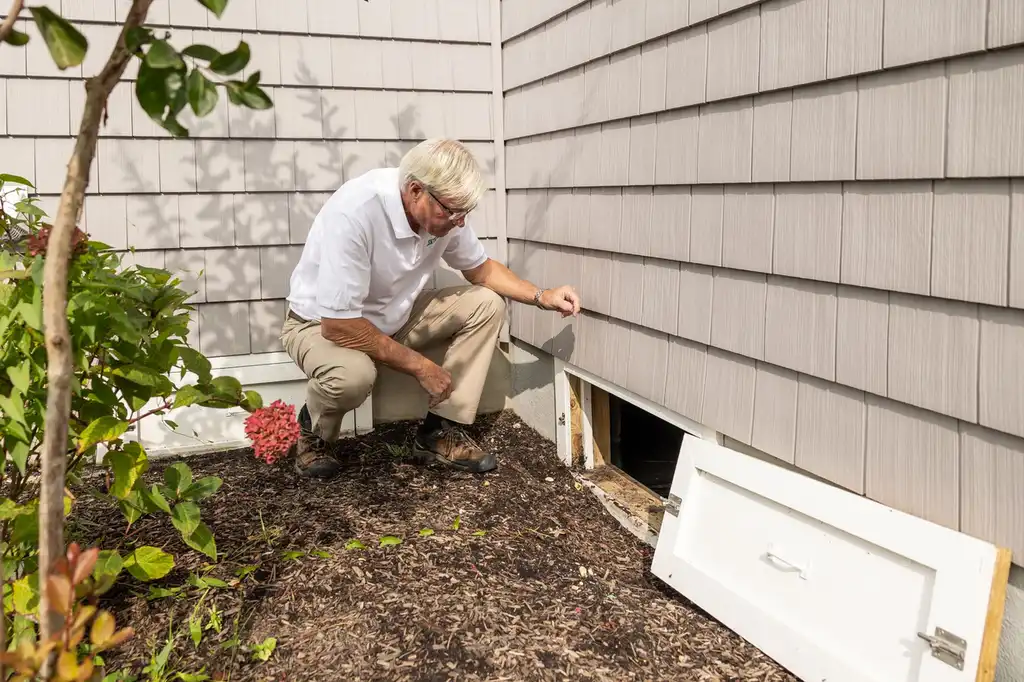 Moisture readingsContainment setupPhoto documentation
Our standard crawl space scope covers inspection, containment, removal, treatment, and verification. Moisture corrections like vapor barriers, dehumidifiers, and plumbing repairs are quoted separately because every crawl space is different. You get one written scope with line items, so you know exactly what you are paying for.
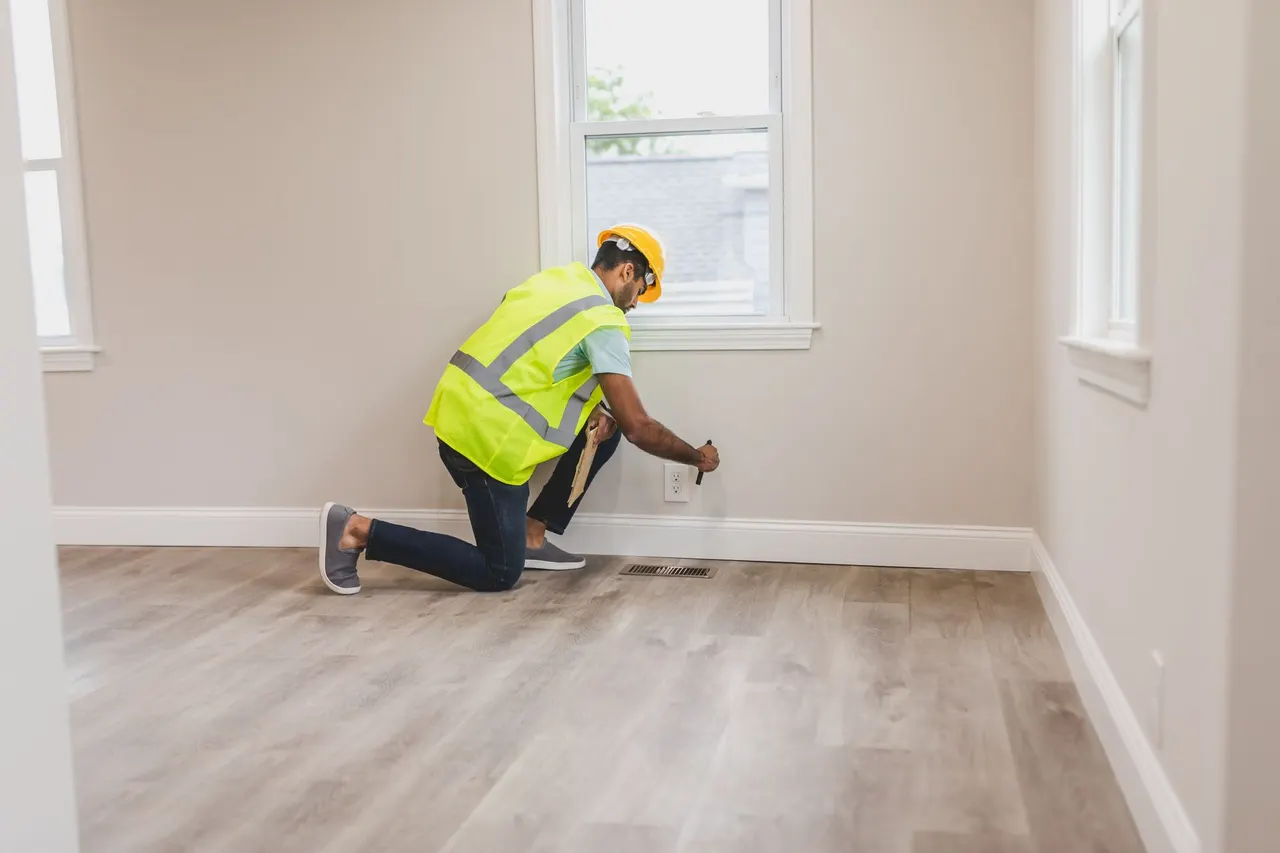
We crawl the entire space, map moisture readings with a moisture meter, and use a thermal imaging camera to find wet framing behind insulation. You get photos and a written summary before we recommend any work.
Polyethylene sheeting seals the work zone, and a negative air machine with HEPA filters keeps spores out of your living space. Setup and breakdown are included in every job.
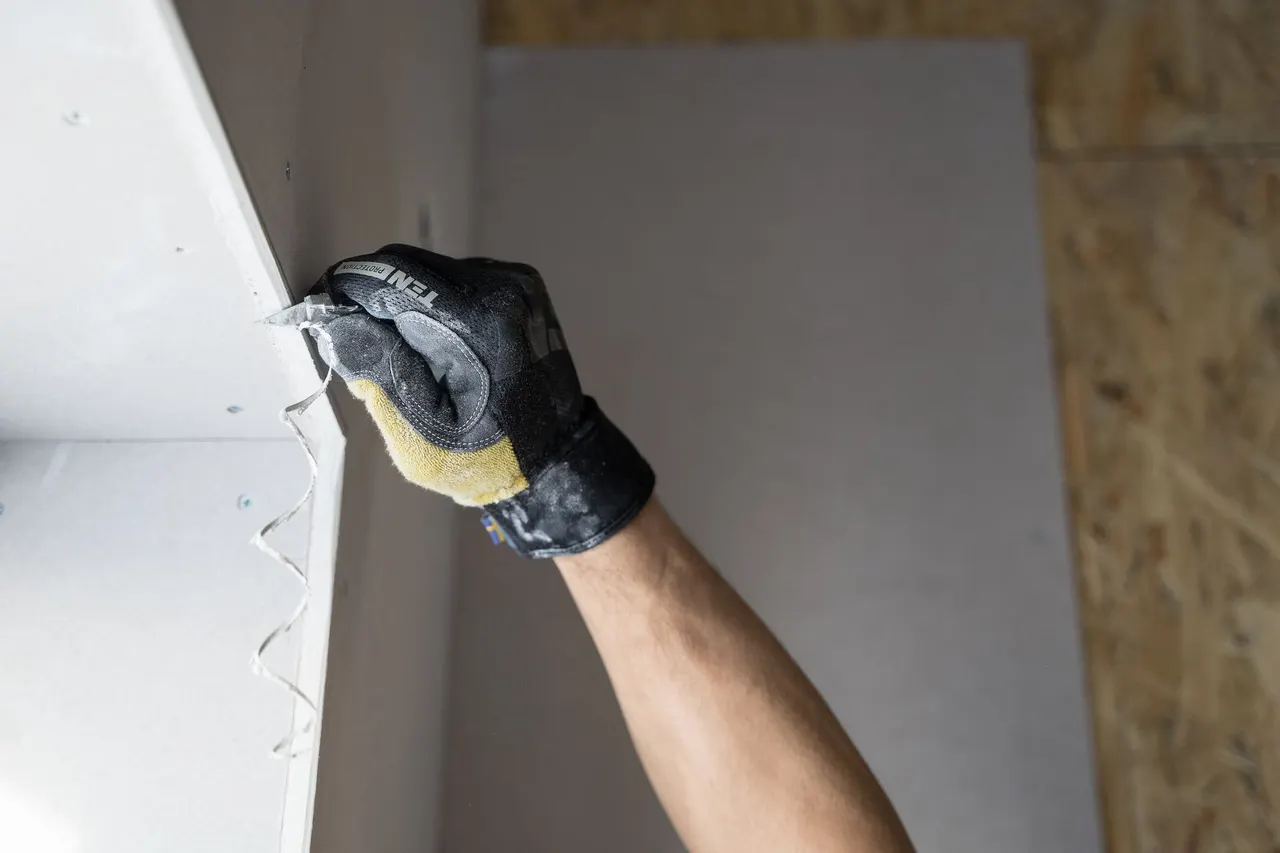
We remove mold-damaged insulation, drywall, and debris, HEPA vacuum all framing surfaces, and bag everything for proper disposal. Removal is included, not billed as an add-on.
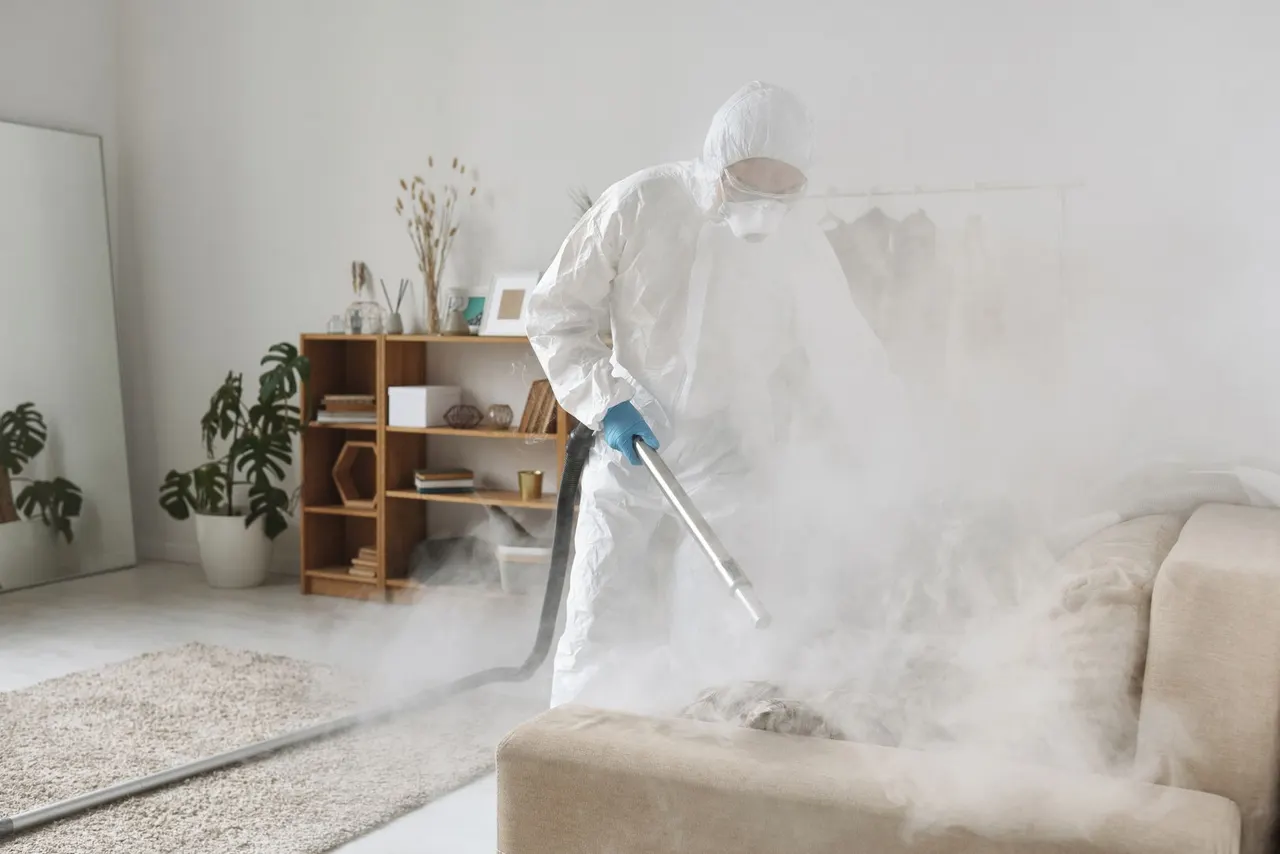
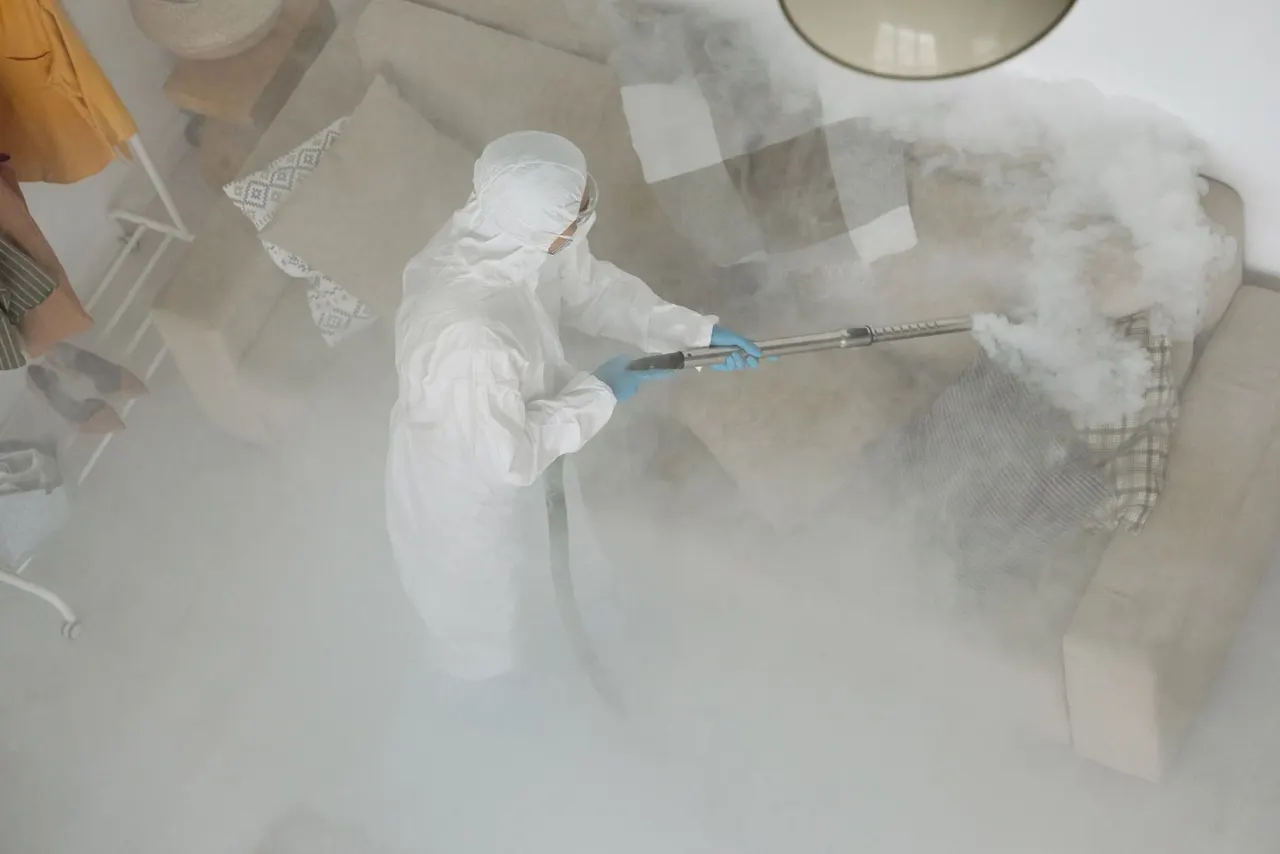
After removal, we apply an EPA-registered antimicrobial spray to joists, beams, and subfloor. For hard-to-reach framing cavities, we use a fogger to reach surfaces a brush cannot.
We run a final moisture meter sweep and, on request, collect air samples for lab analysis. You get the results and a photo log showing before and after conditions.
You leave with a written plan for keeping the crawl space dry: dehumidifier settings, vent recommendations, and a seasonal checklist. It is the difference between fixing mold once and fixing it for good.
The approach is the same for a home and a business. What changes is the access, the schedule and who needs the paperwork.
We work under houses every day, from bungalows to new builds. You get photos, a written scope, and a moisture plan before we start.
We handle crawl space mold for duplexes, rentals, and small commercial buildings. Work is scheduled around tenants and business hours.
A plain-language look at what Crawl Space Mold Remediation involves and when it is needed.
See how it worksCrawl Space Mold Remediation in Dallas is the process of containing, removing, and treating mold growth in the unconditioned space under your home, then correcting the moisture source so it does not return. We start with a crawl space mold inspection Dallas TX homeowners can watch: a boroscope and thermal imaging camera check joists, subfloor, and insulation for hidden growth, while a moisture meter reads wood content. Anything above 20 percent means active moisture, and mold follows within days.
Dallas homes sit on expansive clay soil that shifts with every wet and dry cycle, cracking pier-and-beam foundations and letting humid air pour into the crawl space. Add 60-plus inches of annual rain, roof leaks, and plumbing leaks under the house, and you have ideal mold conditions. That is why we treat crawl space moisture control Dallas properties need as half the job, not an afterthought.
Crawl space mold comes back unless you fix the moisture that caused it.

Every job follows the same five steps, whether it is a 900-square-foot bungalow in East Dallas or a 4,000-square-foot home in University Park. You get a written scope before we start and a photo report when we finish.
We crawl the whole space, map every moisture source, and take air and surface samples where growth is visible. A thermal imaging camera finds wet framing behind insulation. You get lab results in 24 to 48 hours, and we walk you through what they mean before any work begins.
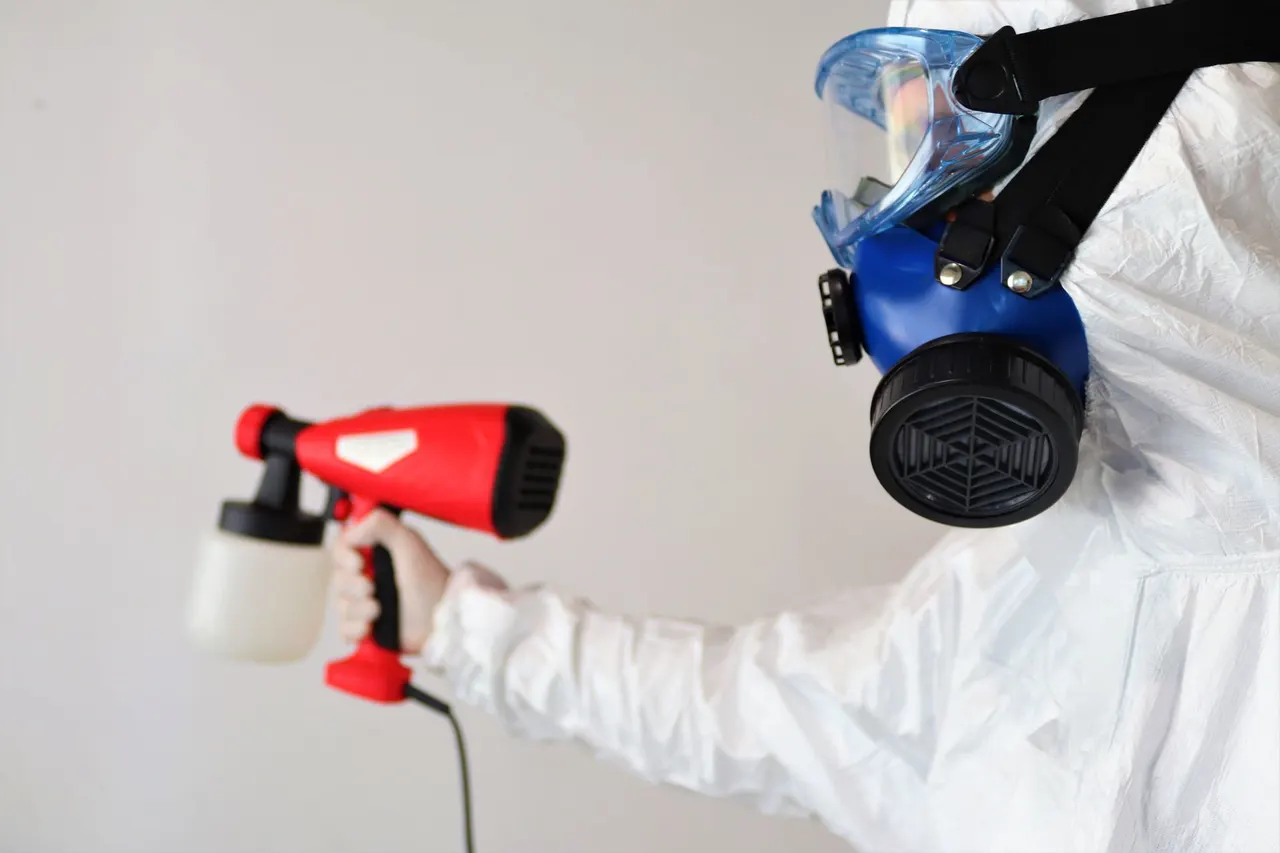
We seal the crawl space access and lay polyethylene sheeting to isolate the work zone. A negative air machine with HEPA filters keeps spores from drifting into your living space. Setup takes about an hour on a typical Dallas pier-and-beam home.
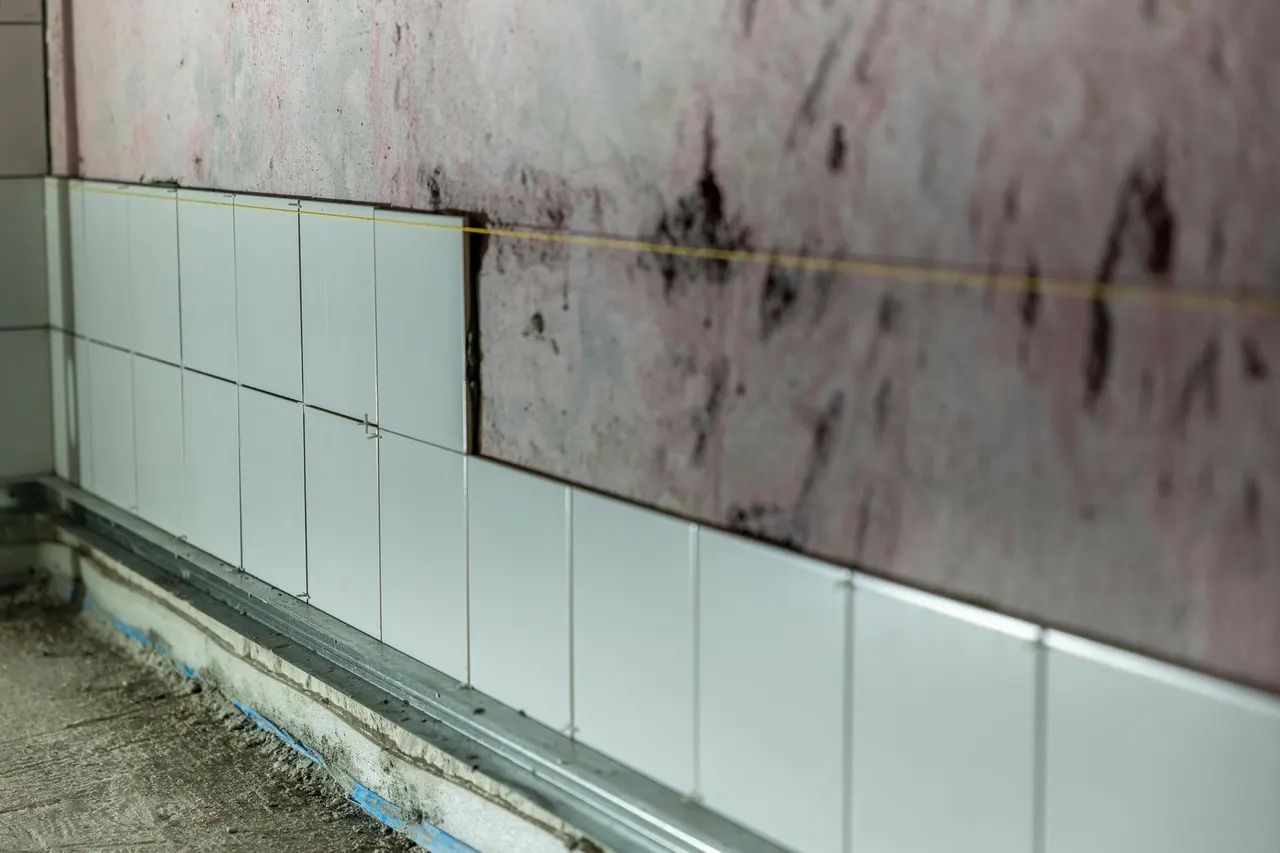
Technicians in full PPE remove mold-damaged insulation and drywall, then HEPA vacuum every joist, beam, and subfloor panel. We apply an antimicrobial spray and, where needed, a fogger to reach framing cavities a brush cannot. Most crawl spaces take one to two days.
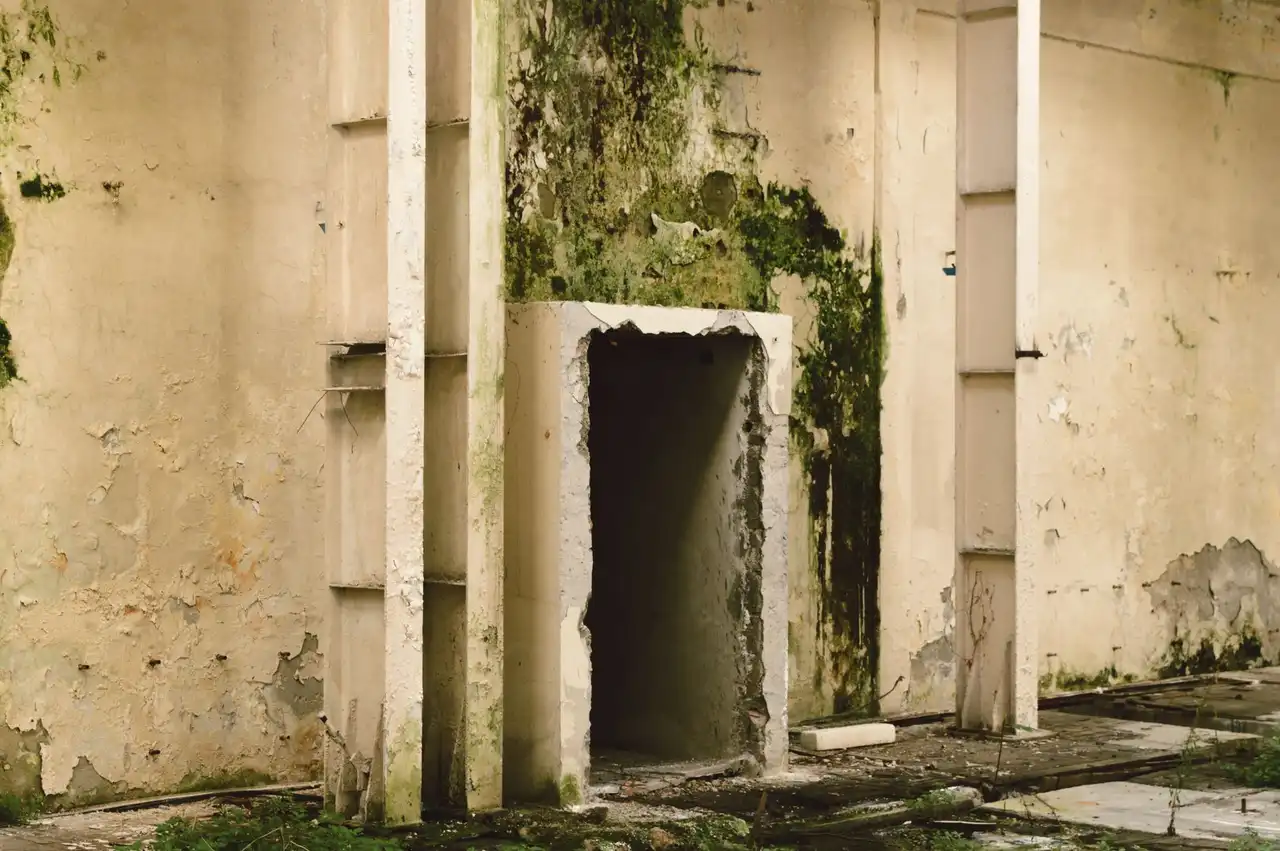
Remediation without moisture control is a callback waiting to happen. We repair plumbing leaks, seal foundation vents, and install a vapor barrier and commercial dehumidifier sized to the space. This is the step that keeps mold from returning next spring.
We run a final moisture meter sweep and, on request, post-remediation air sampling to confirm the space is clean. You get a photo log of before and after conditions, plus written guidance on running the dehumidifier through Dallas summers.
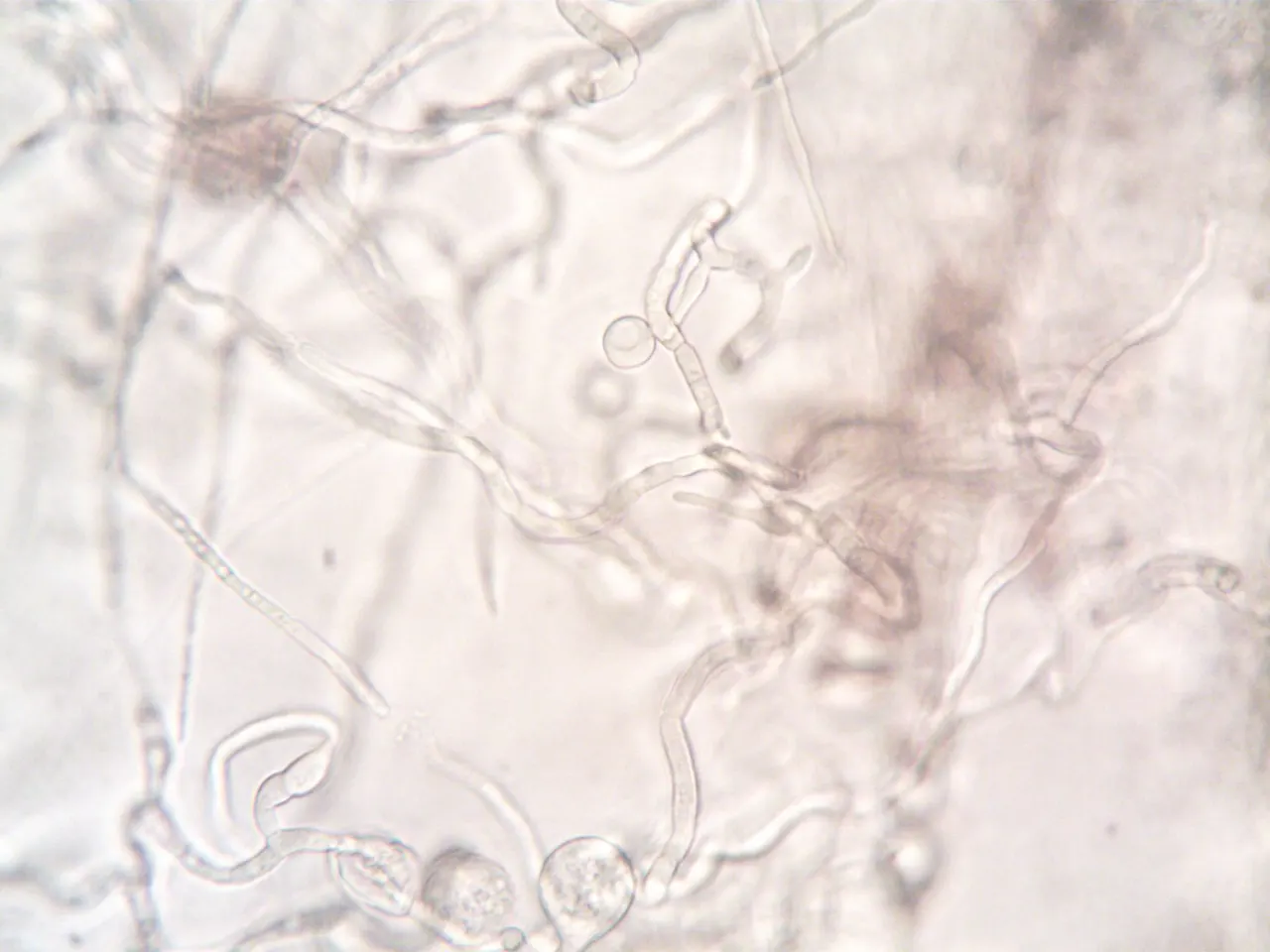
Move across a circle, or focus it and press Enter, for an illustrative thermal view of the photograph.
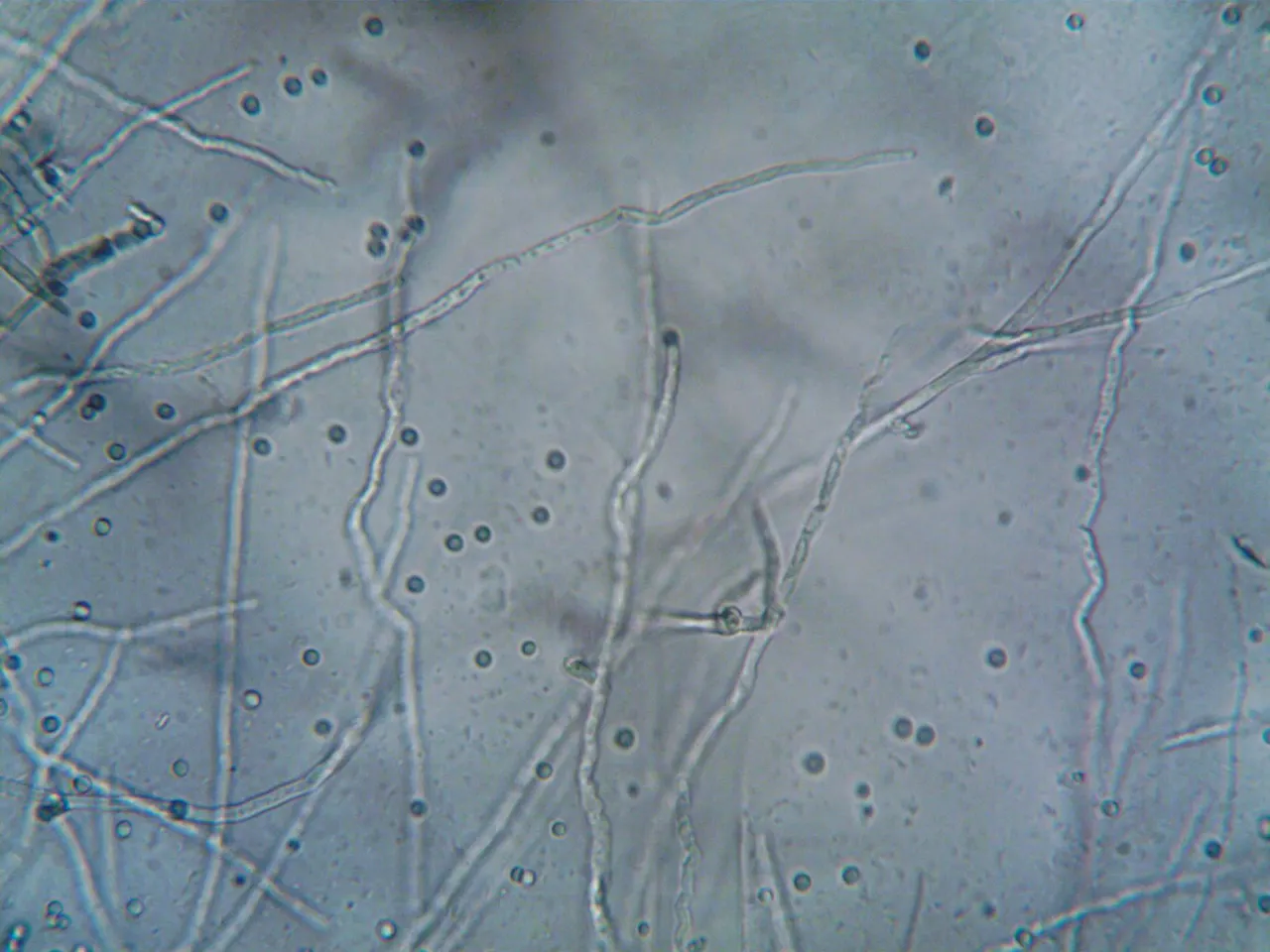
Finds temperature differences that reveal wet framing, hidden leaks, and air infiltration behind insulation without tearing anything open.
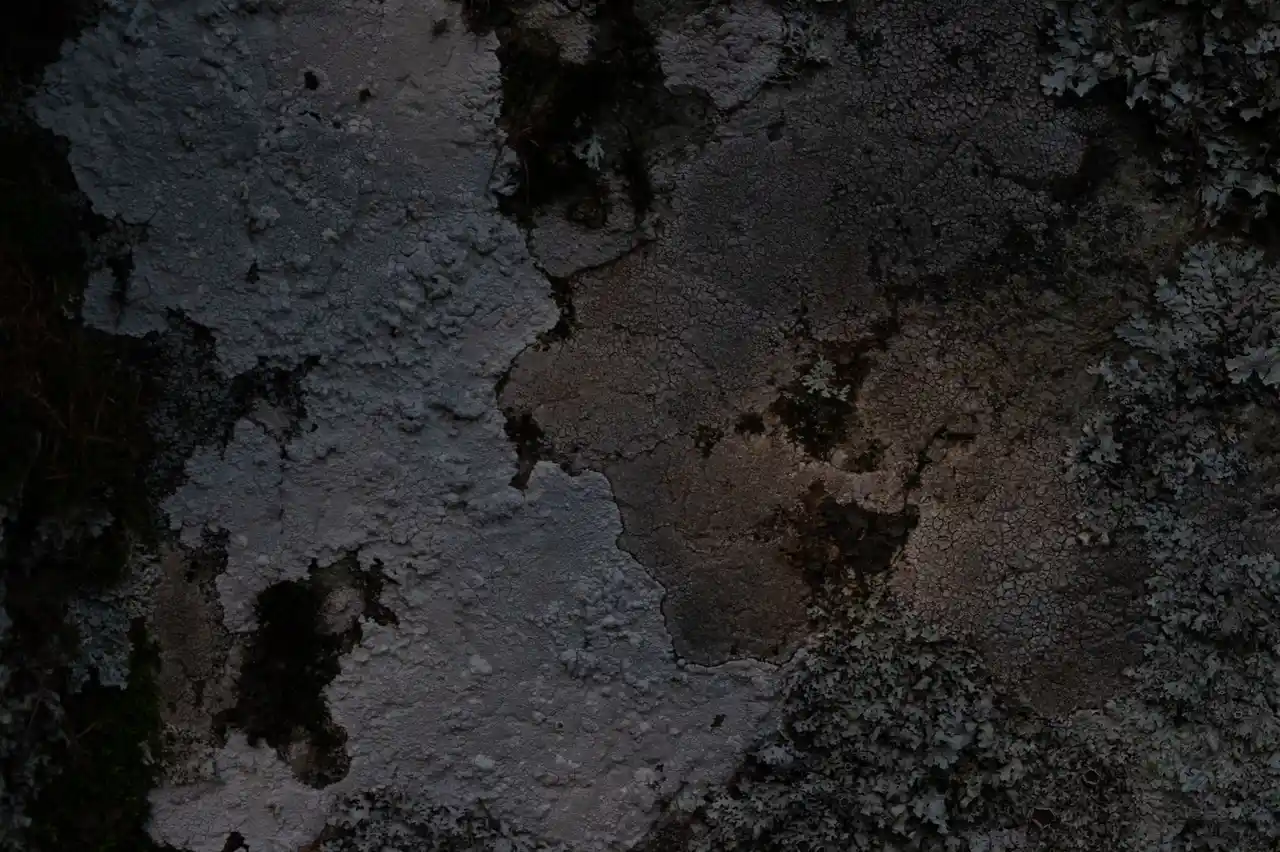
Reads wood moisture content on joists, beams, and subfloor. Anything above 20 percent means active moisture and likely mold growth.
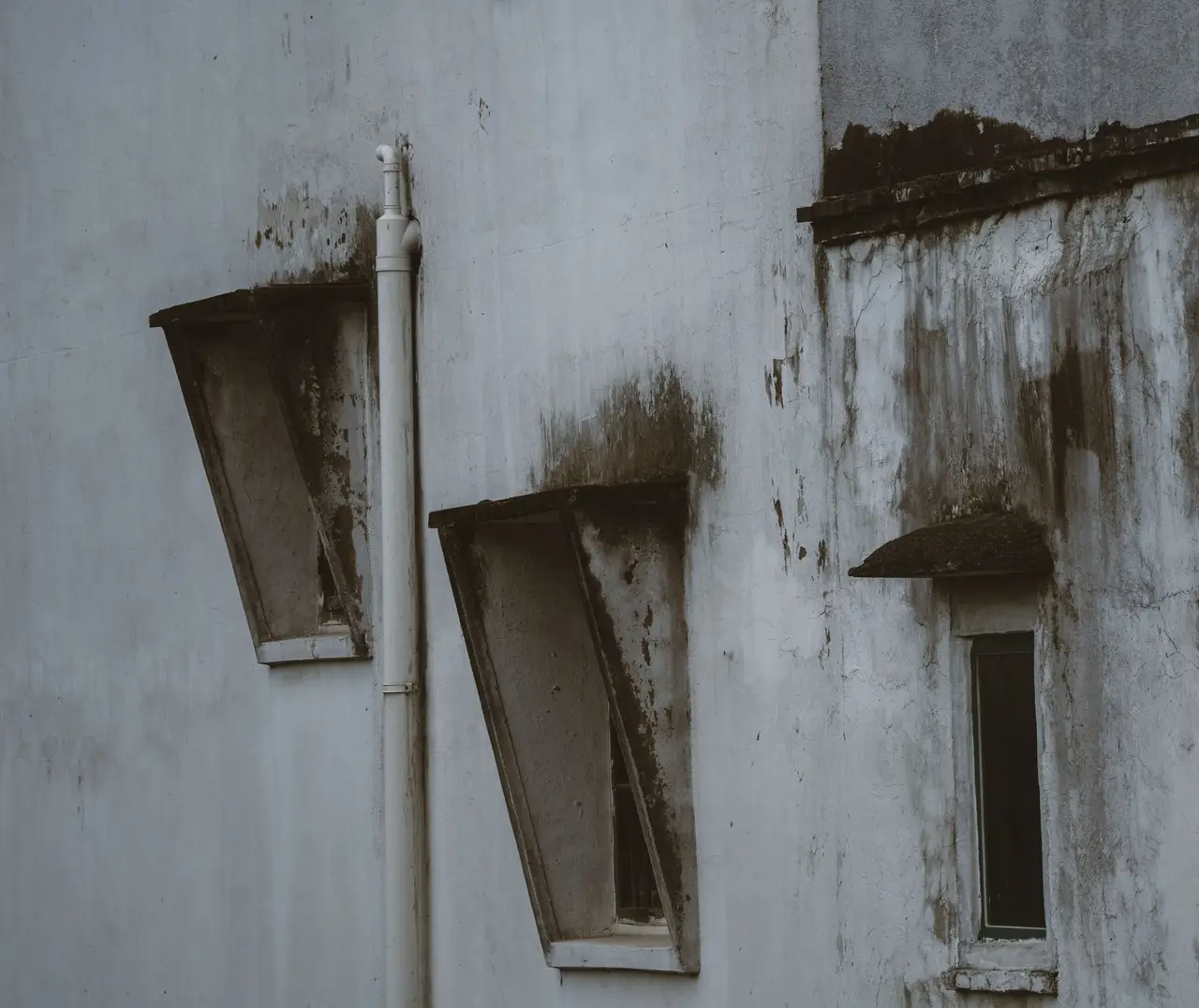
Slides into framing cavities and behind insulation to confirm mold growth in spots a flashlight cannot reach.
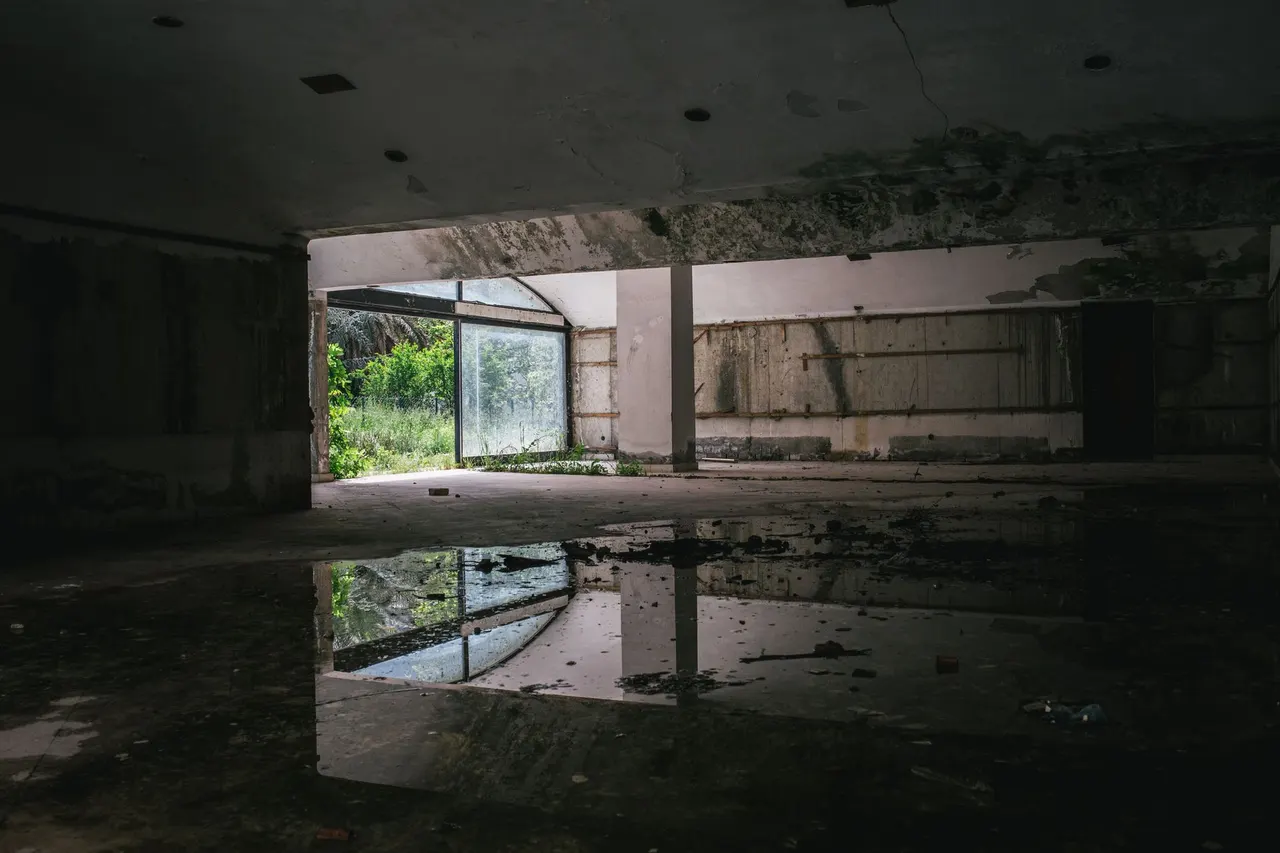
Creates negative pressure in the containment zone so spores cannot escape into your living space during removal.
Removes settled spores from framing surfaces after bulk mold removal. Standard shop vacuums just blow spores back into the air.
Thermal views are illustrative, generated from the photographs.
Runs continuously during remediation to filter airborne spores and improve air quality inside the containment zone.
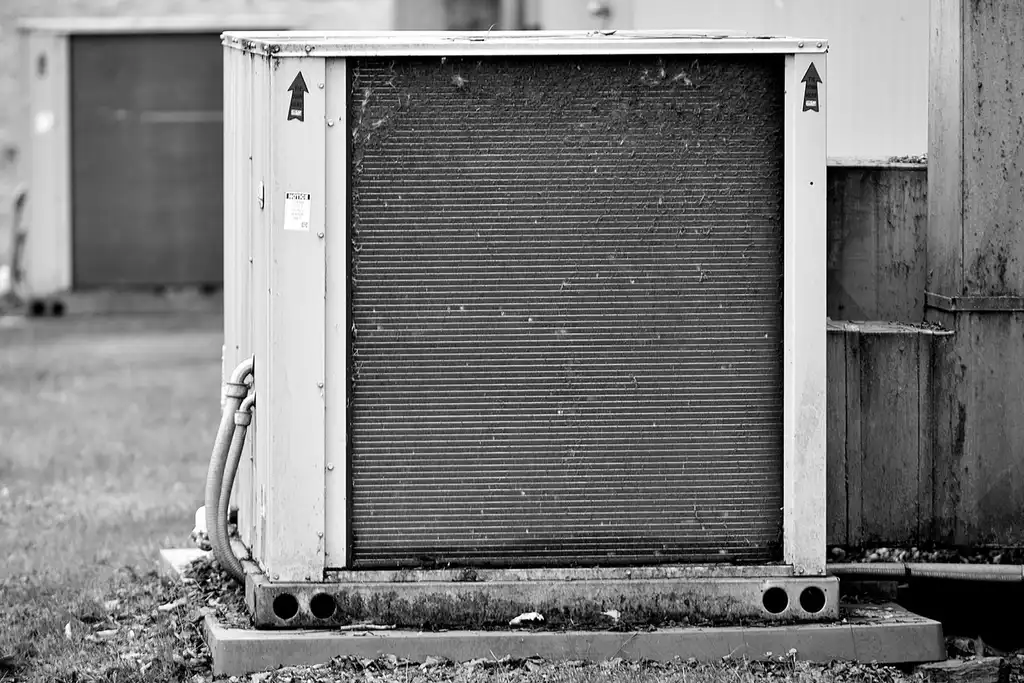
Keeps the crawl space below 55 percent relative humidity after remediation. We size Dri-Eaz and Phoenix Restoration units to your square footage.
The industry standard for mold remediation. It defines containment requirements, removal procedures, and verification criteria. We follow it on every crawl space job, which is why our clearance rates stay high.
We fix the water source before we treat mold. Every scope we write starts with moisture correction, then moves to removal and treatment.
We apply products like Concrobium, Benefect, and Fiberlock ShockWave to framing after removal. These are registered for use in occupied structures and safe for your family once dry.
We install 12-mil polyethylene sheeting across the crawl space floor and up the foundation walls, sealed at every pier and pipe penetration with duct sealant. This blocks ground moisture from entering the space.
A 1920s bungalow in East Dallas with pier-and-beam construction and original wood framing has visible mold on joists after a wet spring.
We contain the space, remove mold-damaged insulation, HEPA vacuum the framing, and apply antimicrobial treatment. Then we install a vapor barrier and dehumidifier to keep it dry.
Outcome: The crawl space stays below 55 percent humidity, air samples clear, and the homeowner stops smelling musty air in the living room.
A Preston Hollow home has a slow plumbing leak under the master bath that has been wetting the subfloor for months.
We trace the leak with a moisture meter, repair the pipe, dry the framing, and remediate the mold. We also treat adjacent framing that showed elevated moisture but no visible growth.
Outcome: The leak is fixed, the mold is gone, and the homeowner avoids a subfloor replacement that would have cost several thousand dollars.
A Lakewood homeowner is selling and the buyer's inspector flagged mold in the crawl space two weeks before closing.
We inspect the next day, provide a written scope and lab results, and complete remediation in three days. Post-remediation sampling confirms clearance for the lender.
Outcome: The sale closes on schedule, and the buyer gets a documented clean crawl space with a moisture plan for the future.
A property manager in East Dallas has a duplex where tenants keep reporting musty odors and allergy symptoms.
We inspect both units, find mold on shared crawl space framing, and remediate the entire space. We also clean the HVAC ducts in both units to remove settled spores.
Outcome: Tenant complaints stop, the units pass a follow-up air quality test, and the manager adds crawl space checks to the annual maintenance schedule.
A homeowner in ZIP code 75230 notices condensation on the crawl space joists every August and wants to prevent mold before it starts.
We seal foundation vents, install a 12-mil vapor barrier, and set up a Dri-Eaz dehumidifier with a condensate pump. No mold removal needed because we caught it early.
Outcome: The space stays dry through the rest of summer, and the homeowner avoids a full remediation bill by addressing moisture first.

Dallas is hard on crawl spaces. The soil is expansive clay that swells when wet and shrinks when dry, cracking foundations and opening pathways for humid air. Summers push dew points into the 70s for weeks at a time, and foundation vents pull that moisture under the house where it condenses on cool framing.
Add 60-plus inches of annual rain, frequent roof leaks, and aging plumbing in older neighborhoods, and you have ideal conditions for mold. That is why crawl space moisture control Dallas homeowners invest in is not optional here, it is the difference between a one-time fix and a recurring problem.
We see the same patterns across Dallas County: pier-and-beam homes in Oak Cliff, East Dallas, and the M Streets with original wood framing and no vapor barrier; newer builds in Preston Hollow and University Park with tight crawl spaces and poor ventilation; and rental properties where a slow leak goes unnoticed for months.
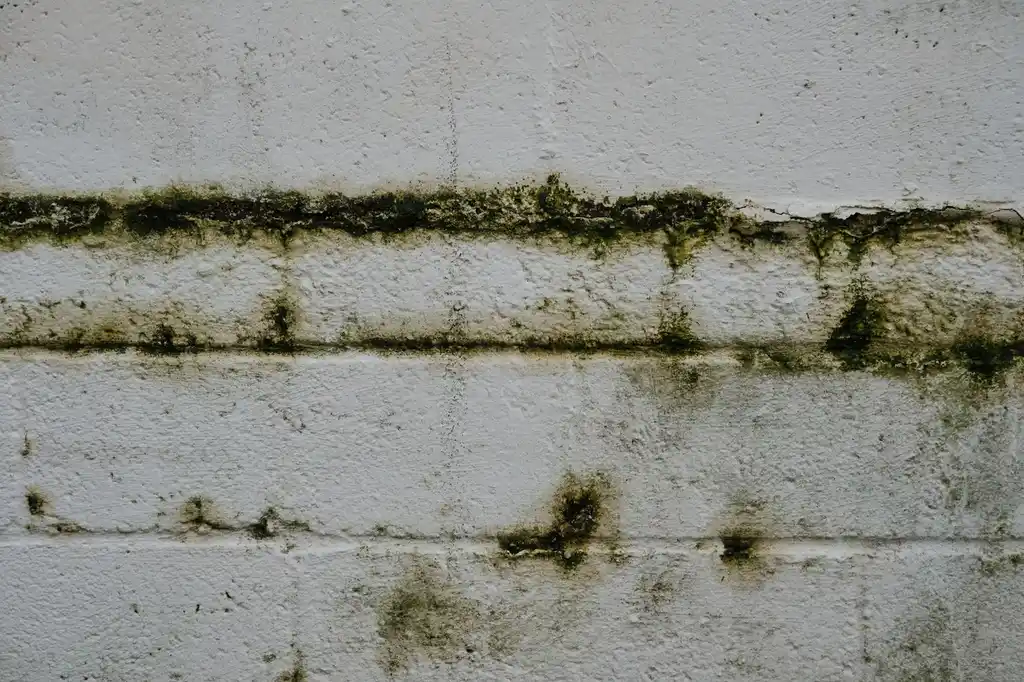
Before: A 1940s bungalow had visible black mold on joists and subfloor after a slow supply line leak went unnoticed for months. Wood moisture content read 28 percent, and the homeowner reported musty odors in the living room.
After: We repaired the leak, removed mold-damaged insulation, HEPA vacuumed all framing, and applied antimicrobial treatment. Post-remediation air samples cleared, and moisture content dropped to 12 percent. The job took three days.
The homeowner runs a dehumidifier set to 50 percent relative humidity from May through October and checks the crawl space every spring. No mold has returned in two years.
Before: A 3,200-square-foot home had mold on crawl space framing and elevated spore counts in the HVAC ducts. The return system pulled air from the crawl space, spreading spores through the house. Two family members had worsening allergies.
After: We contained and remediated the crawl space in two days, then cleaned and sanitized the duct system. Post-remediation air samples inside the home dropped below outdoor baseline levels. Allergy symptoms improved within a week.
The homeowner schedules annual duct inspections and runs the crawl space dehumidifier year-round. We check moisture readings at every service visit.
Before: A property manager called after tenants in both units reported musty odors. Inspection found mold on shared crawl space framing and a cracked foundation vent letting humid air in. Wood moisture content averaged 24 percent.
After: We remediated the crawl space in two days, sealed the vent, and installed a vapor barrier and dehumidifier. Follow-up air samples in both units cleared, and tenant complaints stopped. The manager added crawl space checks to the annual maintenance schedule.
The dehumidifier runs continuously with a condensate line routed to the exterior. We inspect the space each spring before Dallas humidity peaks.
Most crawl space mold calls come down to one of these five problems. We fix the mold and the underlying cause, so you are not calling someone else next spring.
A dry crawl space means cleaner air and framing that lasts.
Mold spores and musty odors rise into living spaces through gaps in the subfloor. Once we remove the growth and seal the space, indoor spore counts drop measurably. Customers in Lakewood and the M Streets tell us the house smells different within a week.
Mold digests wood. Left alone for a season or two, it weakens joists, beams, and subfloor panels until floors feel spongy. We treat and dry the framing so it holds its strength, and we flag any board that needs sistering before it becomes a structural bill.
A wet crawl space pulls heat out of your floors all winter and pushes humid air into your ducts all summer. Sealing and dehumidifying the space cuts that load. Most Dallas homes see a noticeable drop in summer cooling costs after encapsulation and mold removal Dallas.
That damp, earthy odor is microbial volatile compounds off-gassing from active growth. Removing the mold and running a commercial dehumidifier keeps the space dry, so the smell does not come back. It is the first thing customers notice, and the reason they call us.
Clear records you can keep and share.
Before and after images of every area
Air sample results when requested
Written guidance for keeping it dry
Line-item record of work performed
Not all crawl space mold is the same, and how you treat it depends on what is growing and why.
Growth on visible framing surfaces
Growth that has penetrated wood
Growth behind insulation or in cavities
A list like this tells people straight away whether you cover their street. Not listed? Call and ask: it only takes a minute.
Based in Dallas and covering the places around it. Pick one for local details.
Add encapsulation, a dehumidifier, or structural repairs and you move toward the top of the range. We give you a written scope before work starts.
High humidity is the main driver. Dallas summers push dew points into the 70s, and open foundation vents pull that wet air under the house where it condenses on cool joists. Add plumbing leaks, roof leaks, and poor drainage, and wood stays above 20 percent moisture content. Mold colonizes within 24 to 48 hours of sustained wetness.
Yes, for sensitive people. Crawl space mold releases spores and microbial compounds that drift into living areas through the stack effect. Family members with allergies, asthma, or compromised immunity often react first with coughing, headaches, or sinus issues. Some species, including black mold, produce mycotoxins. We treat every crawl space growth as a real indoor air quality issue.
A typical Dallas crawl space takes one to three days for removal and treatment, plus a day for moisture corrections like vapor barrier or dehumidifier installation. Larger homes or heavy growth can run four to five days. We schedule around your family, and you can stay in the house the whole time since the work zone is sealed off.
Other services from the same team.
We inspect, measure moisture, and give you a written scope before any work starts. Call (214) 817 0145 and we will schedule a same-day or next-day crawl space inspection. If there is mold under your house, we will show you exactly where and what it will take to fix it.
Call (214) 817 0145 or email info@dallasmoldremediation.com to schedule an inspection. We answer the phone Monday through Friday, 8:00 AM to 6:00 PM, and we return after-hours messages first thing the next morning. Same-day inspections are available across Dallas County when you call before noon.