For Homes
We work in occupied homes every day and keep the mess contained. You will know what we are doing and when we will be done.
- Musty smell upstairs
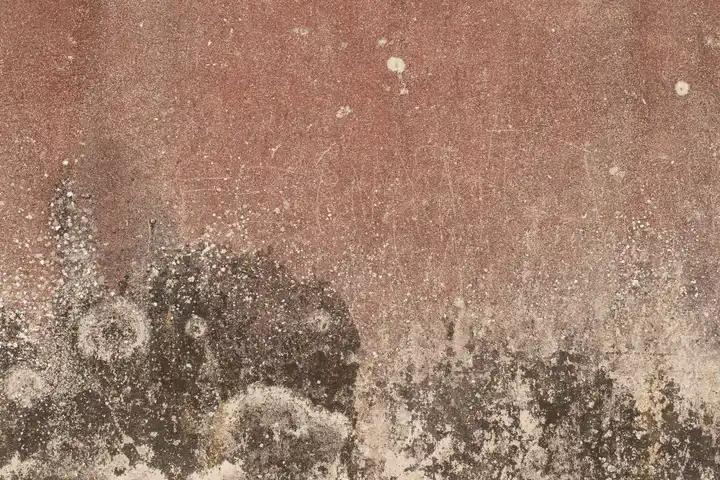
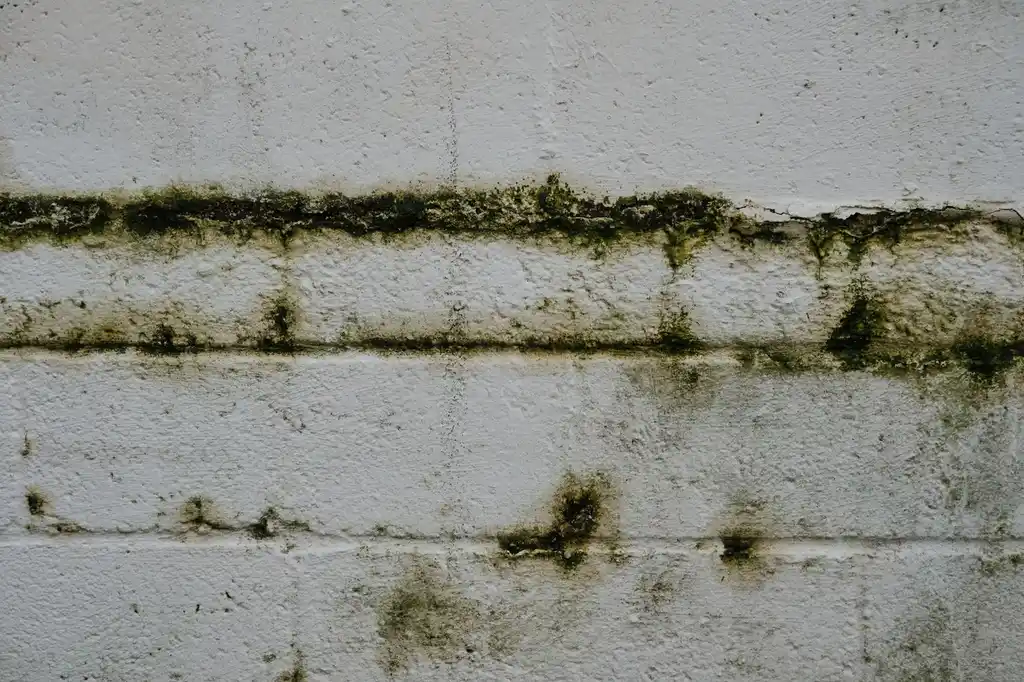
- Dark stains on sheathing
- Bathroom fan venting wrong
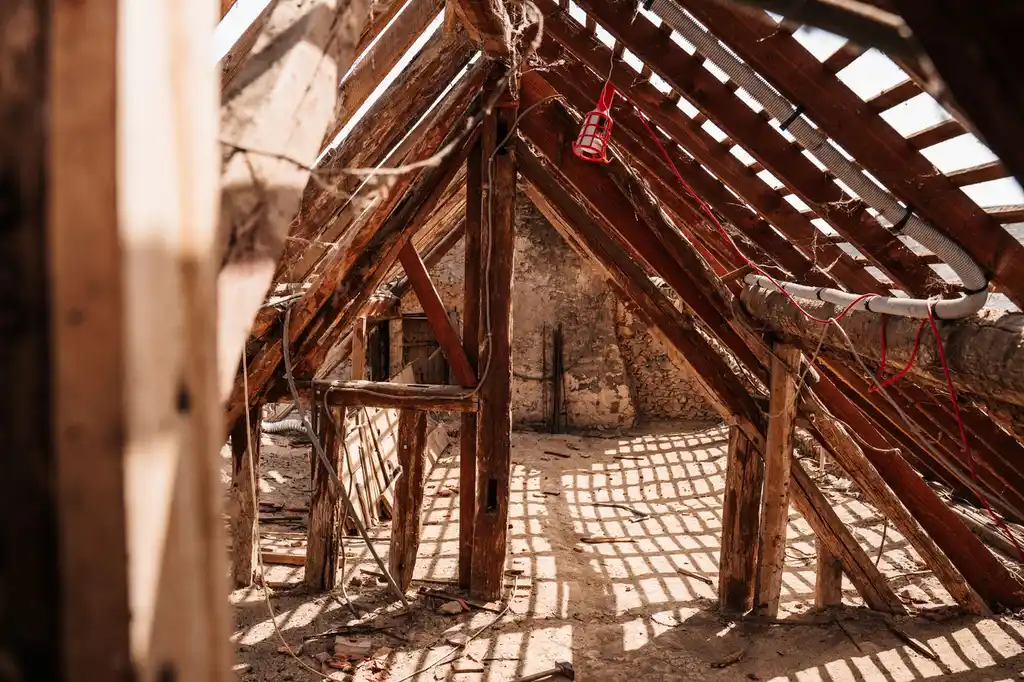
Attic Mold Removal Dallas TX starts with finding the moisture source, not just spraying bleach. We inspect your attic with thermal imaging and moisture meters, contain the work zone, remove contaminated insulation and drywall, treat every affected surface, and hand you a photo report when we are done. If you have spotted dark staining on roof sheathing or smell something musty upstairs, call us today.
 Trace roof leaksHEPA vacuum surfacesDocument with photos
Every attic mold job includes inspection, containment, removal, treatment, and documentation. If your job needs something extra, like HVAC cleaning or drywall repair, we tell you before we start and price it separately.

We inspect roof sheathing, rafters, insulation, HVAC components, and ventilation with thermal imaging and moisture meters. You get a written scope with photos showing exactly where the mold is and what caused it. This is not a quick visual check; it takes 45 to 90 minutes depending on attic size.
We seal the attic from living spaces with polyethylene sheeting and run negative air machines with HEPA filters. This keeps spores from spreading during removal. We also protect floors and walkways with coverings so we do not track debris through your house.
Contaminated insulation, drywall, and unsalvageable wood get bagged and removed. We HEPA vacuum every exposed surface, then apply antimicrobial spray to framing, sheathing, and rafters. If sheathing is soft or crumbling, we replace it. All debris leaves through the attic access and gets disposed of properly.
After removal, we fog the entire attic with an EPA-registered antimicrobial product. This treats surfaces we cannot see and brings spore counts down. We use products like Fiberlock and Concrobium depending on the surface. We also run air scrubbers for several hours after treatment.
You get before-and-after photos, moisture readings at each stage, and a written report showing what we did and what products we used. If you need clearance testing for a real estate transaction or insurance claim, we can coordinate with a third-party inspector.
The approach is the same for a home and a business. What changes is the access, the schedule and who needs the paperwork.
We work in occupied homes every day and keep the mess contained. You will know what we are doing and when we will be done.
We schedule around tenants and business hours. Documentation is provided for owners and property managers.
A plain-language look at what Attic Mold Removal involves and when it is needed.
See how it worksAttic mold removal in Dallas means locating the moisture source, containing the affected area with polyethylene sheeting, removing mold-damaged materials, and treating every remaining surface with an antimicrobial product. We use thermal imaging cameras to trace hidden roof leaks, moisture meters to confirm saturation levels, and HEPA vacuums to capture spores instead of spreading them through your house. The work is physical, detail-heavy, and nothing like the bleach-and-paint jobs some handymen advertise.
Dallas attics are brutal on roofing. Summer attic temperatures push past 140 degrees, then a two-inch rainstorm drops humidity through the roof deck. That cycle repeats all year. If you have ever searched for attic mold removal near me Dallas TX after a spring storm, you already know how fast black mold can colonize wet plywood. We handle mold in attic removal Dallas homeowners call about every week, from 1950s ranch houses in East Dallas to new builds in Frisco-adjacent ZIP codes like 75098.
Find the moisture source first, then remove the mold and treat every surface.
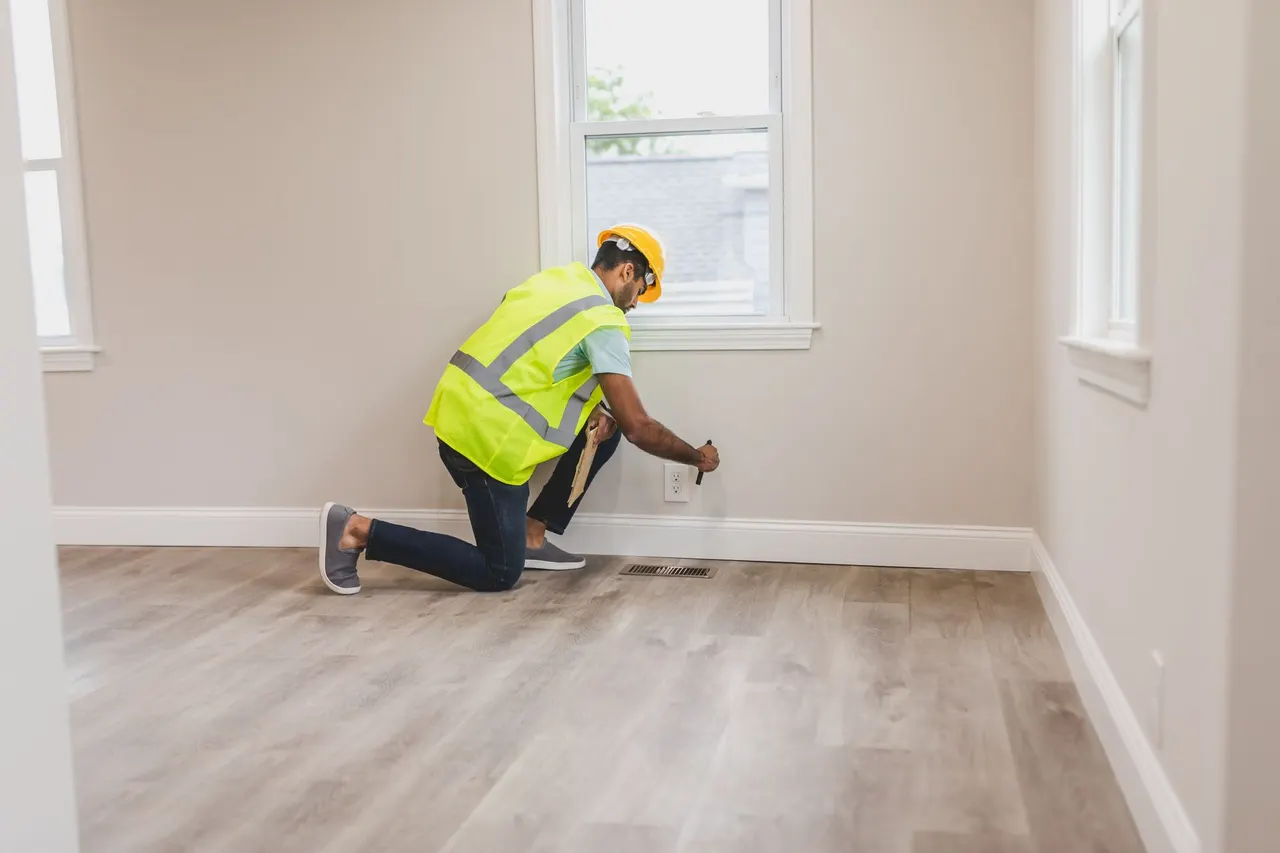
Every job follows the same sequence. You will know what is happening, who is in your home, and how long each phase takes before we start.
We arrive with a thermal imaging camera, moisture meter, and boroscope. We map the affected area, trace the moisture source, and check roof sheathing, rafters, insulation, and HVAC components. You get a written scope with photos before any work begins. Most inspections take 45 to 90 minutes depending on attic size and accessibility.
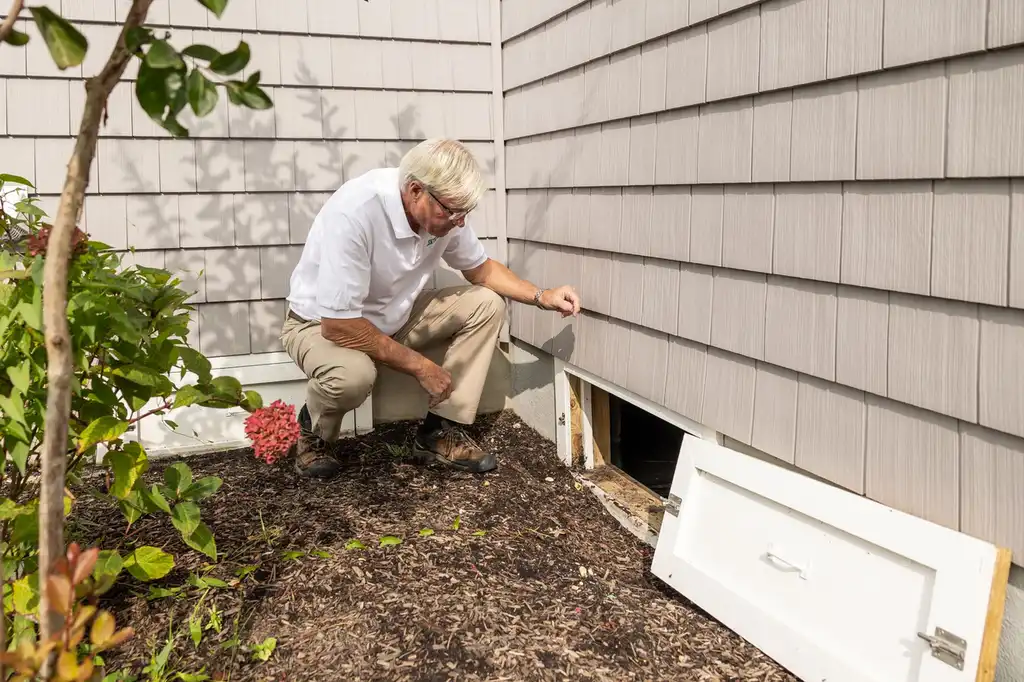
We seal off the attic from the rest of the house using polyethylene sheeting and duct sealant. A negative air machine with HEPA filters pulls air out of the work zone so spores cannot drift into living spaces. We lay protective floor coverings along the path to your attic access. Setup usually takes 30 to 60 minutes.
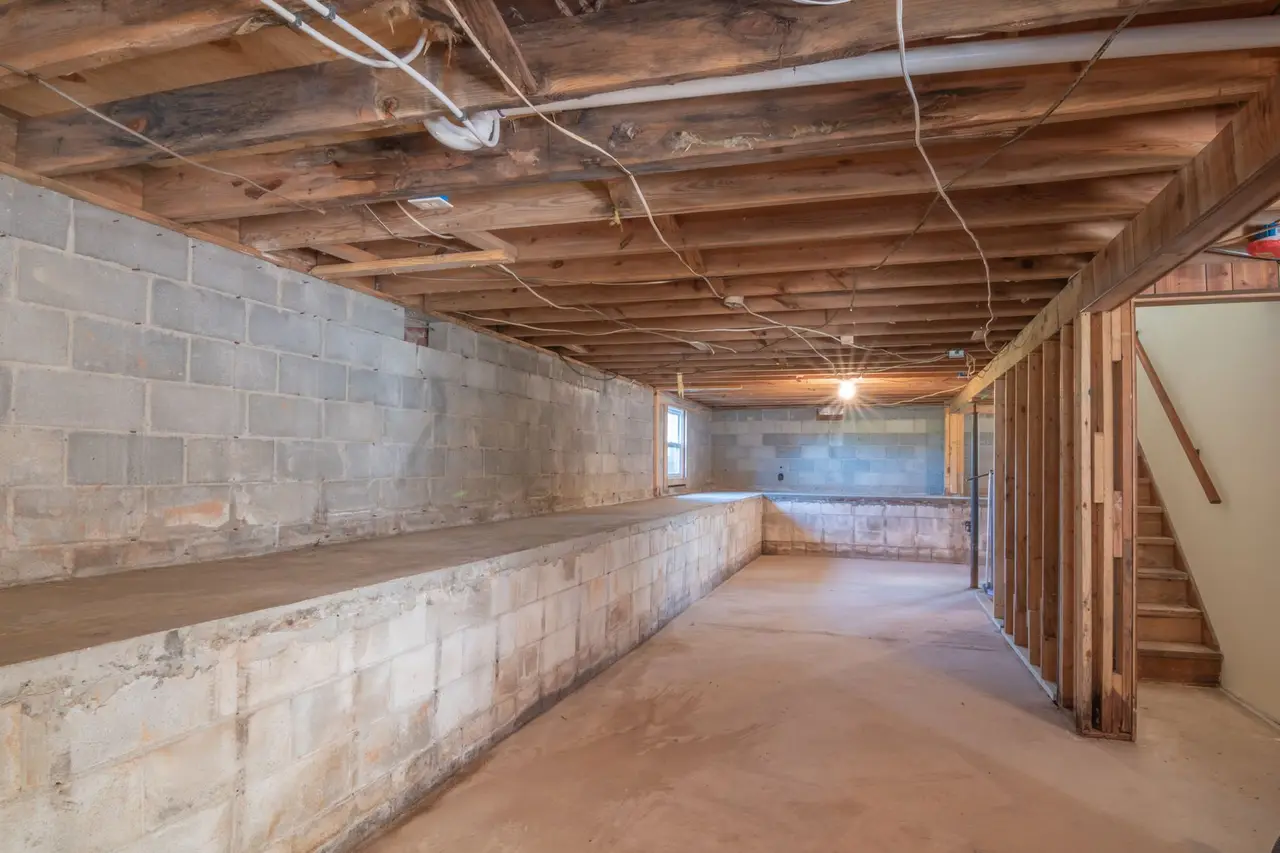
Contaminated insulation, drywall, and unsalvageable wood get bagged and removed through the attic access. We HEPA vacuum every exposed surface, then apply an antimicrobial spray to framing, sheathing, and rafters. If the damage is light, we can often treat in place. If sheathing is soft or crumbling, it gets replaced.
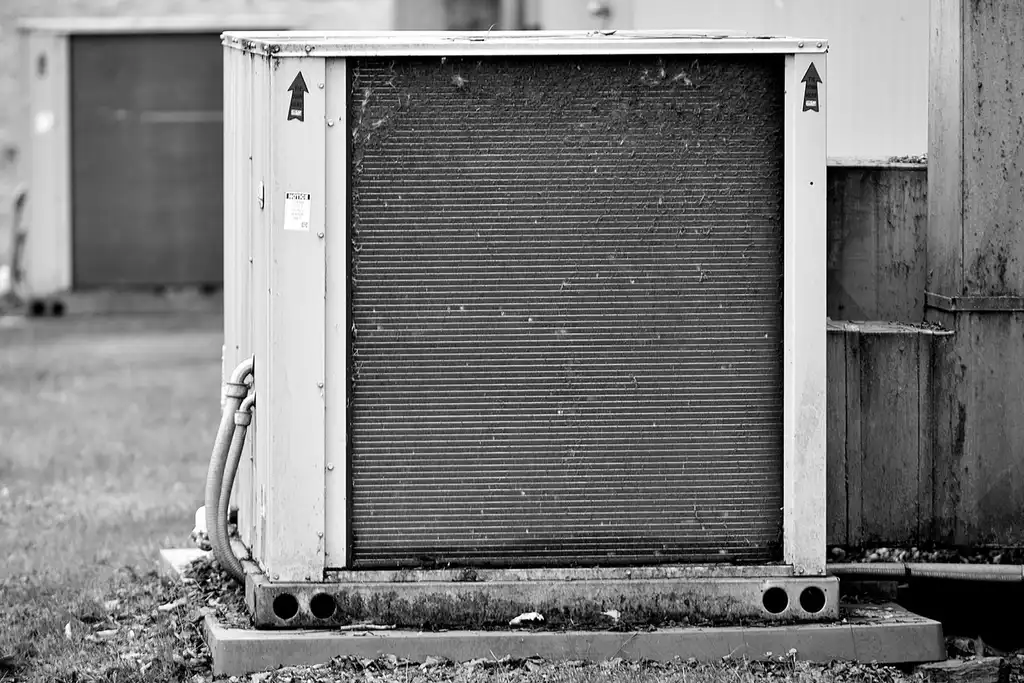
After removal, we fog the entire attic with a mold-specific antimicrobial product, then apply an encapsulation coating to treated framing where appropriate. This seals porous surfaces and makes future mold growth easier to spot. We run air scrubbers for several hours to bring spore counts down to normal background levels.
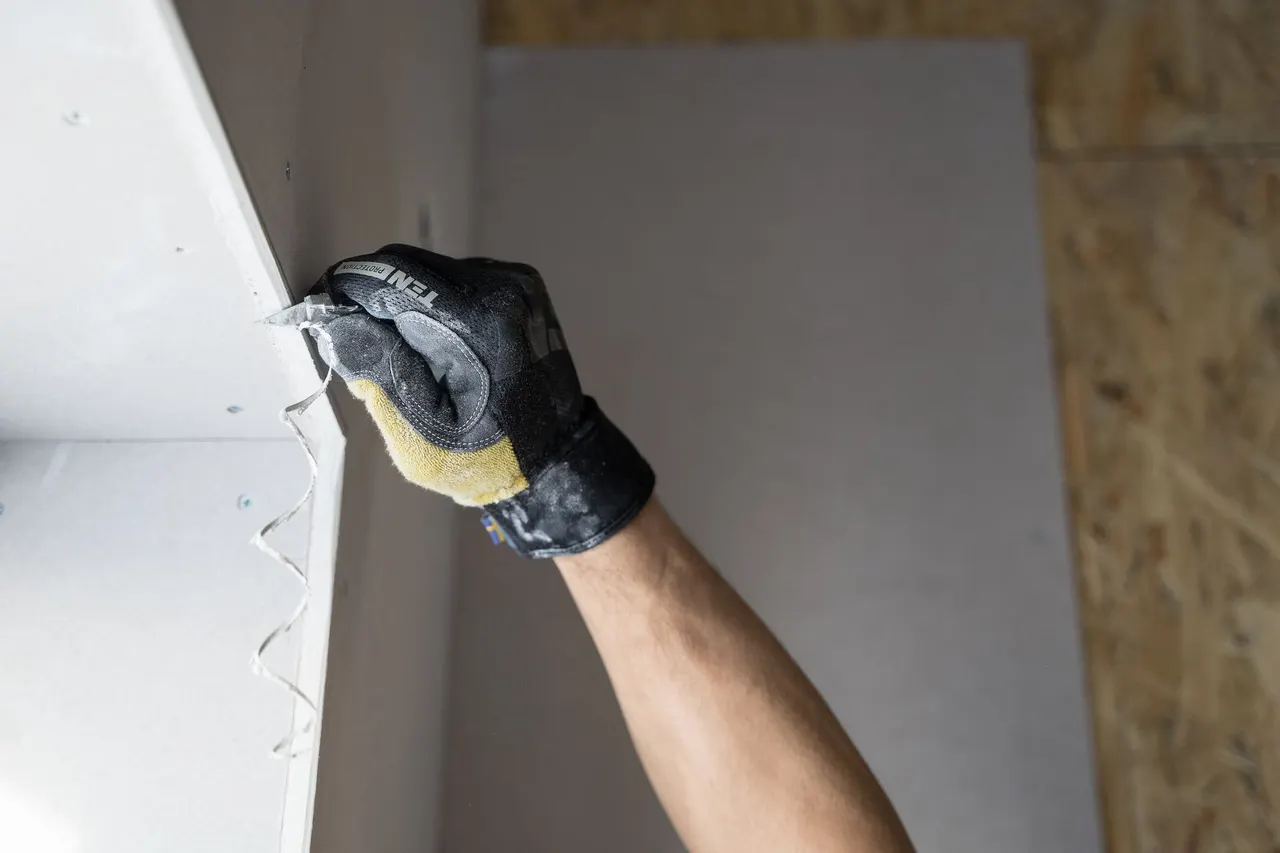
We do a final walkthrough with moisture readings and photos. You get a written report showing before-and-after conditions, moisture readings, and the products we used. If you need clearance testing for a real estate transaction, we can coordinate with a third-party inspector. Most jobs wrap in one to three days.
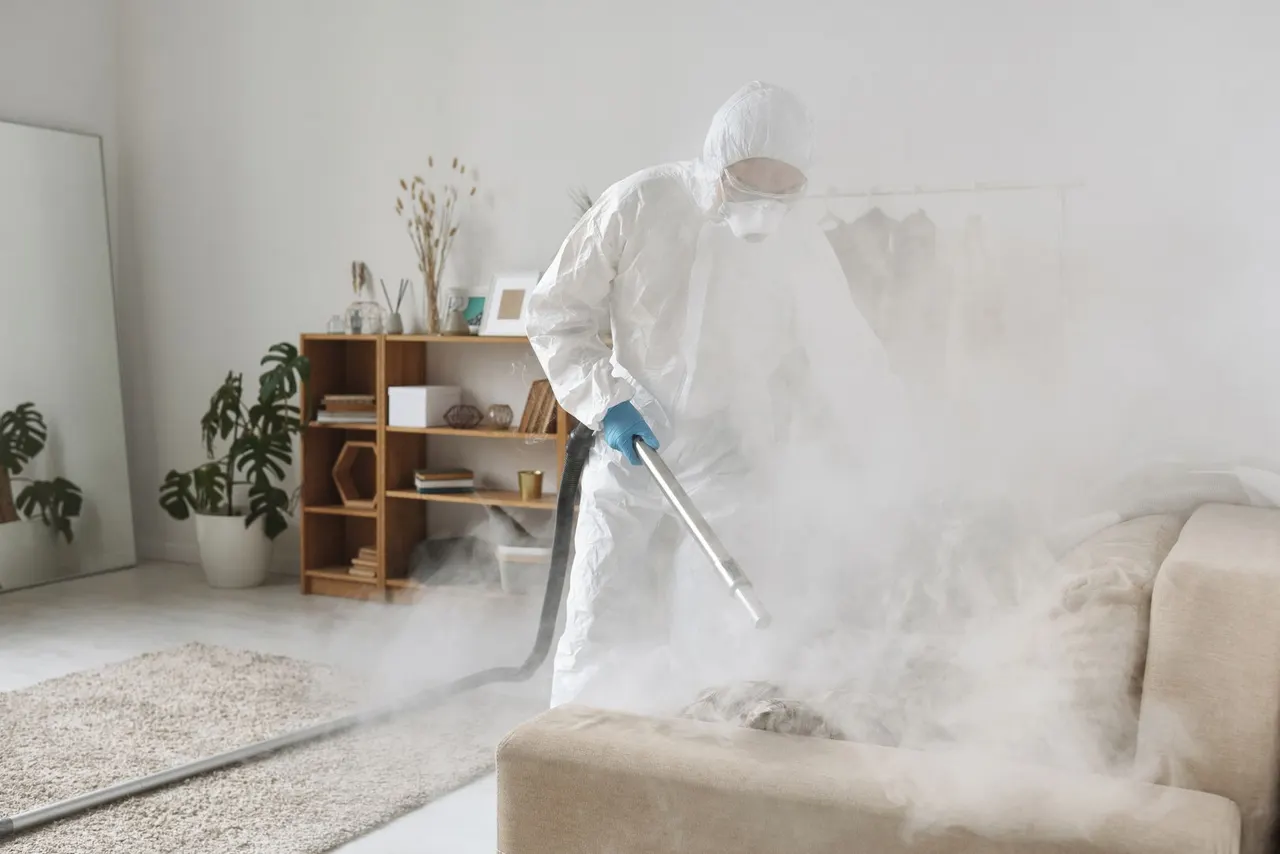
Move across a circle, or focus it and press Enter, for an illustrative thermal view of the photograph.
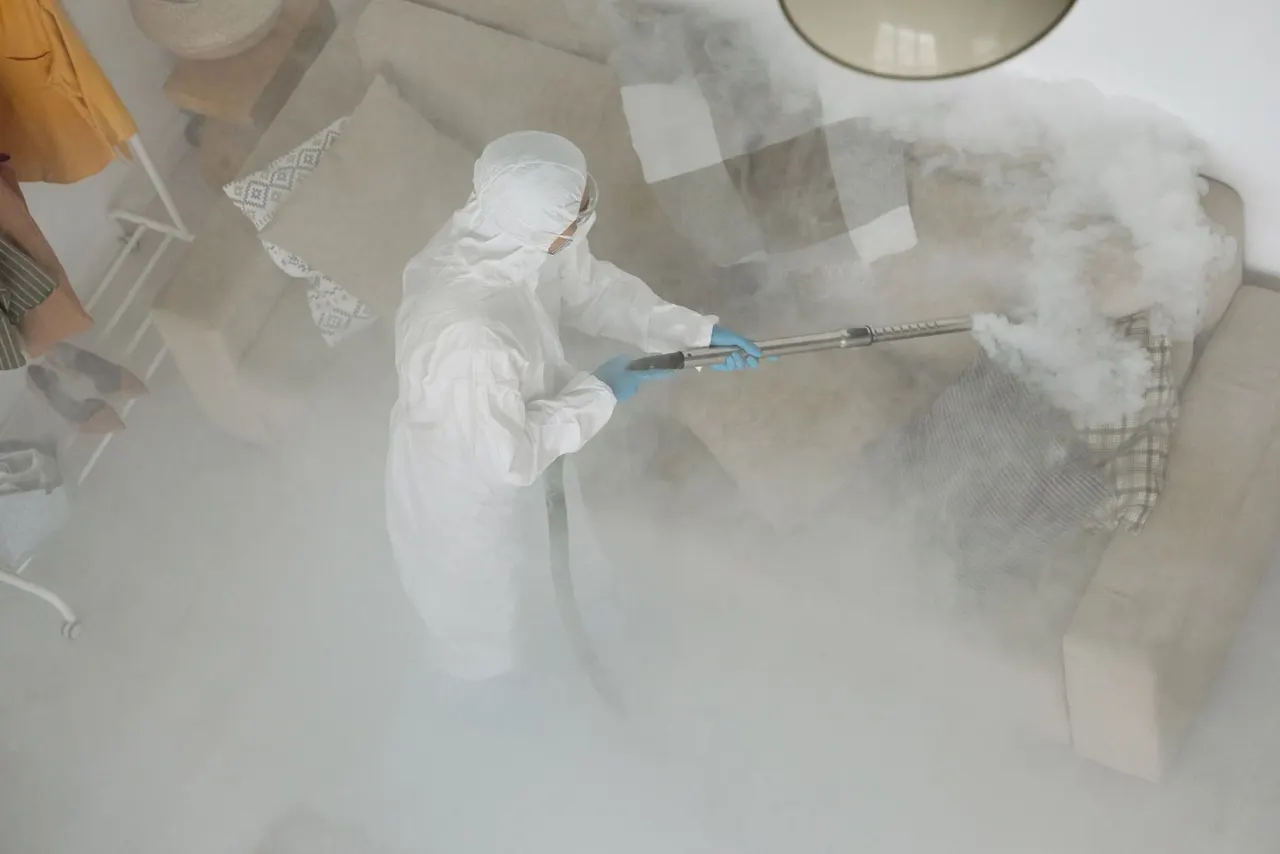
We use thermal imaging to find temperature differences that indicate moisture behind sheathing, around flashing, and near plumbing penetrations. It shows us where the water is coming in before we start removing materials.
A moisture meter tells us how saturated wood and insulation are. We use it to map the affected area and to verify that materials are dry before we close up the job. It also helps us decide what can be treated in place versus what needs removal.

A boroscope lets us see inside wall cavities, behind insulation, and into tight attic spaces without cutting large holes. We use it to confirm mold growth in areas we cannot see directly.

HEPA vacuums capture spores instead of spreading them. We vacuum every exposed surface after removal and use HEPA filtration on our air scrubbers and negative air machines. This is a critical step for keeping spore counts down.

We use negative air machines to create negative pressure in the work zone. This keeps spores from drifting into living spaces during removal. The machine runs continuously until the job is done.
Thermal views are illustrative, generated from the photographs.
Air scrubbers with HEPA filters run after treatment to bring spore counts down to normal background levels. We typically run them for several hours after we finish fogging the attic.
We use a fogger to apply antimicrobial product to every surface in the attic, including areas we cannot reach by hand. This treats the whole space, not just the visible mold.
We follow the IICRC S520 standard for mold remediation, which covers containment, removal, cleaning, and verification. This is the industry standard for mold work and it is what insurance companies and home inspectors expect to see. Following it means we do not cut corners on containment or skip verification steps.
We seal the attic from living spaces using polyethylene sheeting and duct sealant. This creates a physical barrier that keeps spores in the work zone. We also seal HVAC registers and returns if they are in or near the affected area.
We use EPA-registered antimicrobial products like Fiberlock and Concrobium. These are applied after removal to treat surfaces and prevent regrowth. We choose the product based on the surface and the level of contamination.
In some cases, we apply an encapsulation coating to treated framing and sheathing. This seals porous surfaces and makes future mold growth easier to spot. It is not a substitute for removal; it is a final step after the mold is gone.
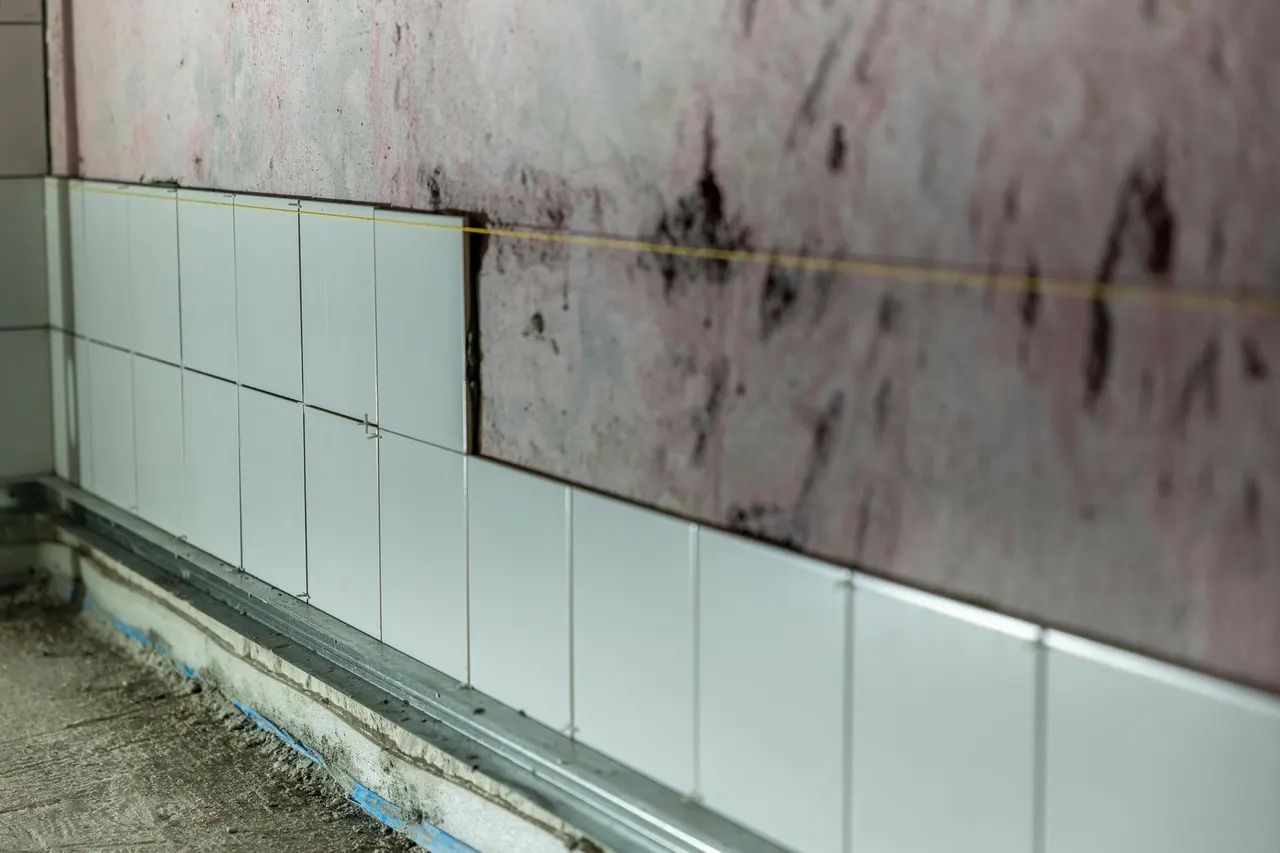
You found mold during a home inspection and the seller will not fix it
We inspect, document the extent of the mold, and provide a written scope with pricing. You can use that to negotiate with the seller or to budget for the work after closing. We treat it like any other job: contain, remove, treat, verify.
Outcome: You get a clear picture of what you are buying and what it will cost to fix. No surprises after closing.
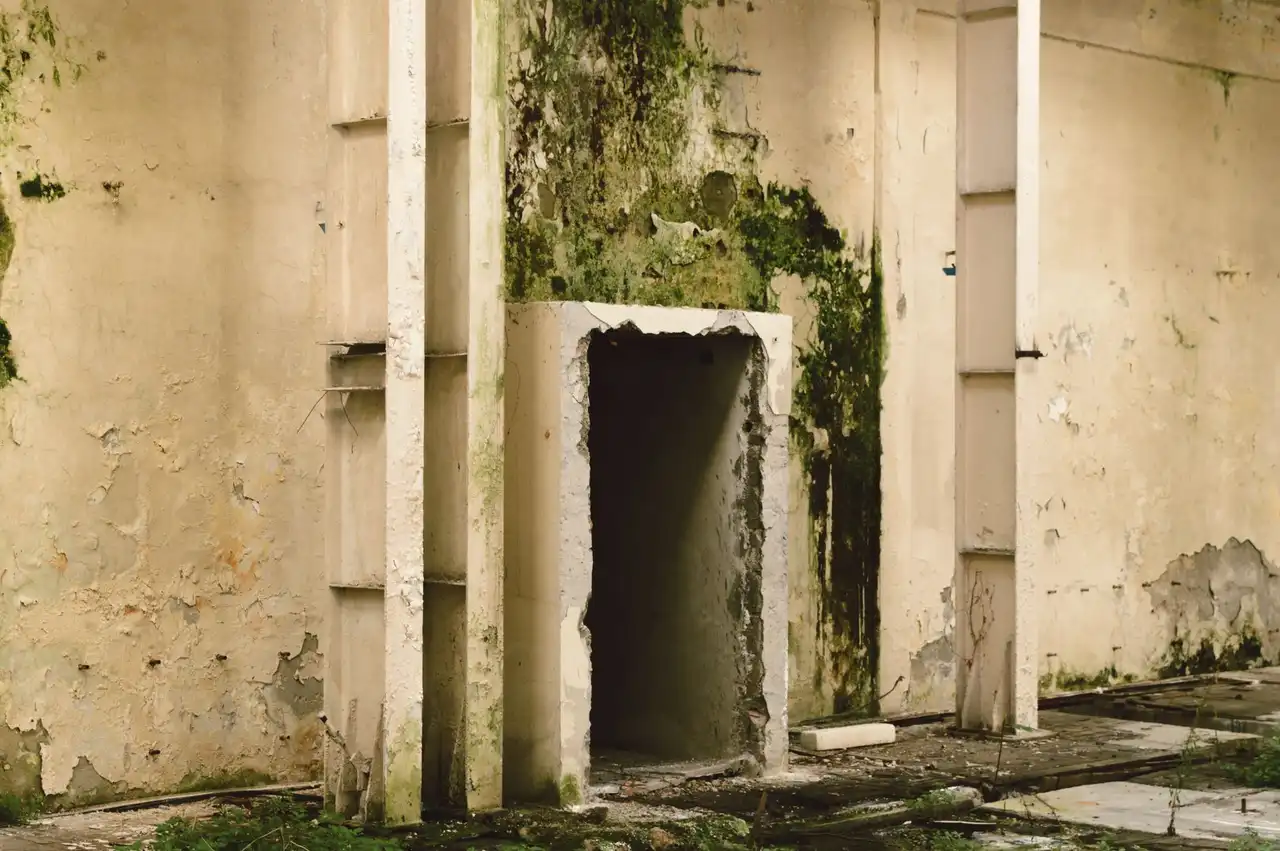
Your roof leaked during a storm and you see dark spots on the attic ceiling
We trace the leak with thermal imaging, document it for your roofer, and remediate the mold. If the leak is still active, we coordinate with your roofer so the repair happens before we treat. We also check whether the moisture spread to insulation or drywall.
Outcome: The mold is removed, the leak is documented, and your roofer has what they need to make the repair. The attic is dry and treated.
You are selling your house and the buyer's inspector flagged attic mold
We provide a full remediation with photo documentation and a written report. If the buyer wants clearance testing, we coordinate with a third-party inspector. We work on your timeline so the sale does not get held up.
Outcome: You get the documentation the buyer needs, the mold is gone, and the sale moves forward.
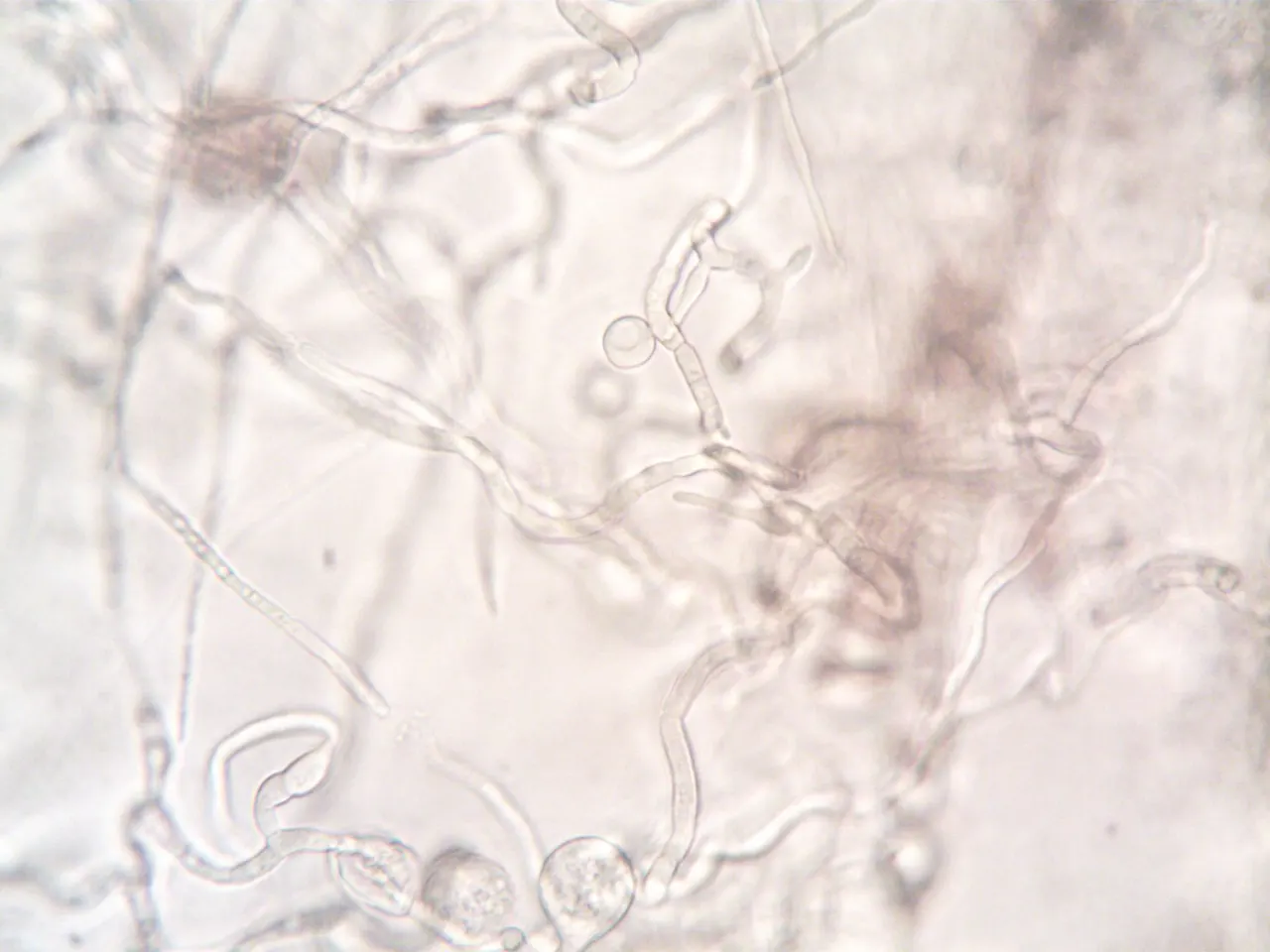
You have had a musty smell upstairs for months and cannot find the source
We inspect the attic with thermal imaging, moisture meters, and a boroscope. We find hidden mold growth, identify the moisture source, and remediate. We also check ventilation and HVAC components to make sure we are not missing anything.
Outcome: The smell goes away, you know what caused it, and you know how to prevent it from coming back.
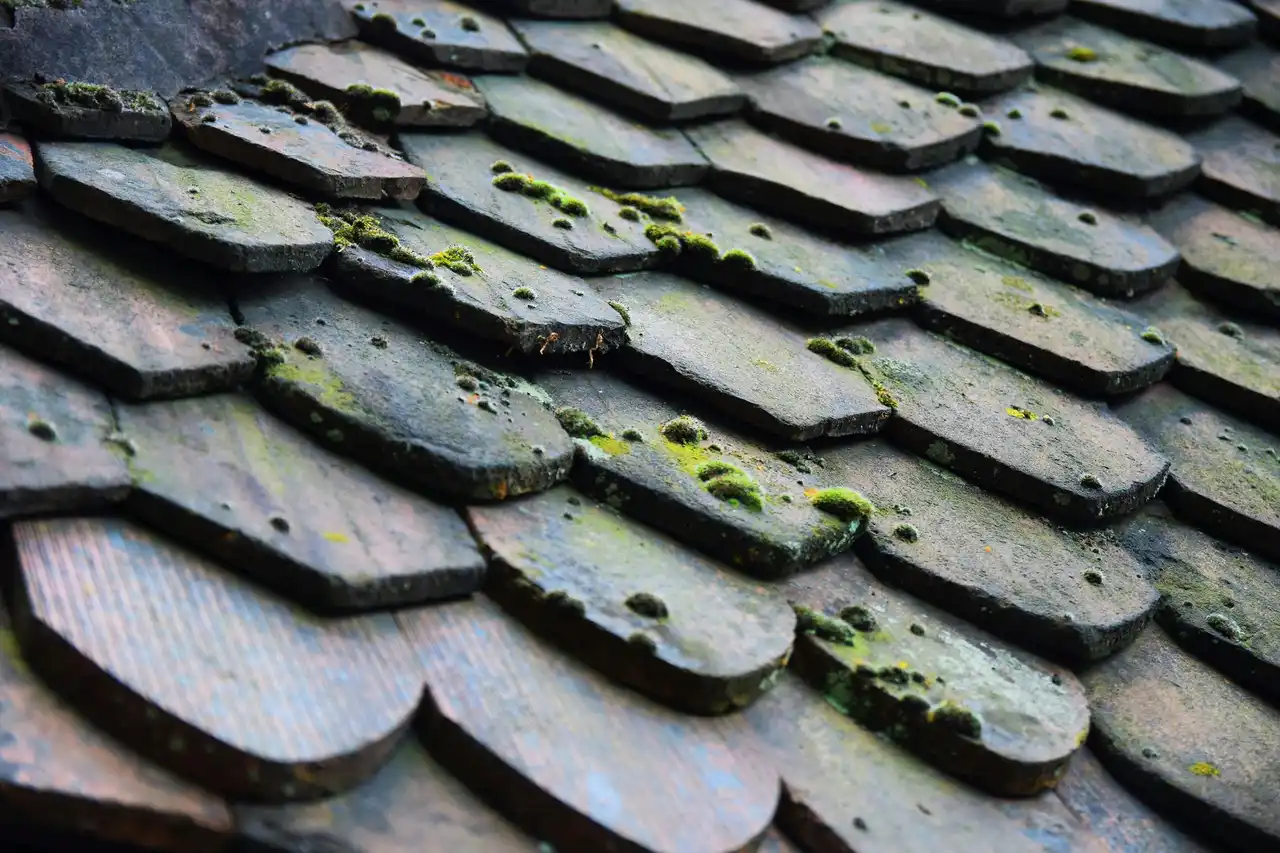
Dallas attics take a beating. Summer temperatures push past 140 degrees, which degrades roofing materials and makes attic work physically demanding. Spring storms dump heavy rain that finds every weak flashing detail. Winter brings a different problem: warm moist air from living spaces rises into the attic and condenses on cold roof sheathing.
That cycle repeats every year, which is why attic mold treatment Dallas homeowners search for is so common. We work in older homes with pier-and-beam foundations and inadequate soffit ventilation, and we work in newer builds where bathroom fans vent directly into the attic. We know the building stock in Dallas County, from 1950s ranches in East Dallas to 1990s two-stories in Richardson.
When you call us for attic mold cleanup Dallas TX, we bring the tools and the experience to handle whatever is up there.
Before: A 1950s Lakewood ranch house had a roof leak around the chimney flashing. The homeowner noticed dark staining on the attic ceiling and a musty smell in the hallway. Insulation around the leak was saturated and mold had spread across about 40 square feet of sheathing.
After: We removed the wet insulation, treated the sheathing and rafters with antimicrobial product, and fogged the entire attic. The roofer fixed the flashing. Final moisture readings were normal and the musty smell was gone within two days.
The homeowner checks the attic after every major storm and keeps an eye on the chimney flashing. We recommend a roof inspection every two years.
Before: A two-story home in Preston Hollow had mold on roof sheathing above the master bathroom. The bathroom exhaust fan was venting into the attic instead of outside. Winter condensation had been feeding mold for at least two seasons.
After: We rerouted the exhaust fan to vent outside, removed contaminated insulation, treated the sheathing with antimicrobial spray, and installed a ridge vent to improve airflow. The attic now stays dry through winter.
The homeowner runs the bathroom fan for 20 minutes after showers and checks the attic twice a year for condensation.
Before: A 1980s Richardson home had hail damage that cracked pipe boots on the roof. Water leaked into the attic during spring storms. The homeowner found mold on sheathing and rafters about 60 square feet in size.
After: We contained the area, removed wet insulation, HEPA vacuumed surfaces, applied antimicrobial treatment, and fogged the attic. The roofer replaced the pipe boots. Post-remediation moisture readings were normal.
The homeowner schedules a roof inspection every spring before storm season and checks the attic after heavy rain.
Attic mold shows up in different ways depending on the house and the season. Here are the most common problems we see and how we fix them.
A dry, treated attic with documentation you can use.
Mold spores travel on air currents. Every time your AC kicks on, it can pull spores from the attic into living spaces through duct leaks and ceiling penetrations. We seal the work zone with negative air machines and HEPA filtration so spores do not migrate into bedrooms and kitchens during removal. Once the source is fixed, your indoor air quality improves measurably.
Killing mold without fixing the moisture source is a waste of money. We trace roof leaks, plumbing leaks, and condensation problems with thermal imaging and a boroscope before we treat anything. If your roof flashing failed during last spring's hail, we document it so your roofer can make the repair. The mold stays gone because the water stops coming in.
Attic mold shows up in home inspections and kills deals. A documented remediation with before-and-after photos and a clearance report gives you something concrete to show an inspector, an appraiser, or a buyer. That paperwork matters more than most homeowners realize until they are trying to sell.
Musty odors in upstairs bedrooms usually trace back to attic mold, not dirty carpets. Once we remove contaminated insulation and treat the framing, the smell goes with it. Customers in Lakewood and Preston Hollow tell us they notice the difference within a day or two. If anyone in your house has allergies or asthma, that change is not cosmetic.
Clear records you can keep and share.
Before, during, and after photos of the attic
Readings logged at each stage of the job
What we did and what products we used
One-page overview for your records or claim
Not all attic mold is the same. What you see depends on the moisture source and how long it has been there.
Growth on the surface of wood or sheathing
Growth that has entered porous materials
Growth spread through HVAC and ductwork
A list like this tells people straight away whether you cover their street. Not listed? Call and ask: it only takes a minute.
Based in Dallas and covering the places around it. Pick one for local details.
Large attics with widespread sheathing damage and full insulation removal push toward the higher end. We provide a written scope with pricing before any work begins.
The two biggest causes are roof leaks and condensation. Dallas gets intense sun that degrades flashing and shingles, then heavy spring rains find the weak spots. In winter, warm moist air from the living space rises into a cold attic and condenses on roof sheathing. Poor ventilation makes both problems worse. We see it in older homes with inadequate soffit vents and newer homes with bathroom fans venting directly into the attic.
You can wipe surface staining with a respirator and antimicrobial cleaner, but that rarely solves the problem. Mold grows into porous materials like insulation, drywall, and wood. Bleach kills surface mold but does not penetrate. Without containment, you risk spreading spores through your house. Without fixing the moisture source, it comes back. Most DIY attempts we see end up costing more because the mold spreads while the homeowner is treating it.
It depends on the cause. If mold grew from a sudden, accidental water event like a burst pipe or storm-damaged roof, most Texas policies cover remediation. If it grew from long-term neglect or chronic condensation, coverage is usually denied. We document the moisture source and provide photos and moisture readings you can submit with your claim. We do not handle claims for you, but we give you what your adjuster needs.
Other services from the same team.
We answer the phone, show up when we say we will, and give you a written scope before we start. If you have seen dark staining on roof sheathing or smelled something musty upstairs, call us today. Same-day inspections are available when you call before noon.
Call (214) 817 0145 or email info@dallasmoldremediation.com to schedule an inspection. We answer the phone Monday through Friday, 8:00 AM to 6:00 PM, and we return after-hours messages first thing the next morning. Same-day inspections are available across Dallas County when you call before noon.