For Homes and Renters
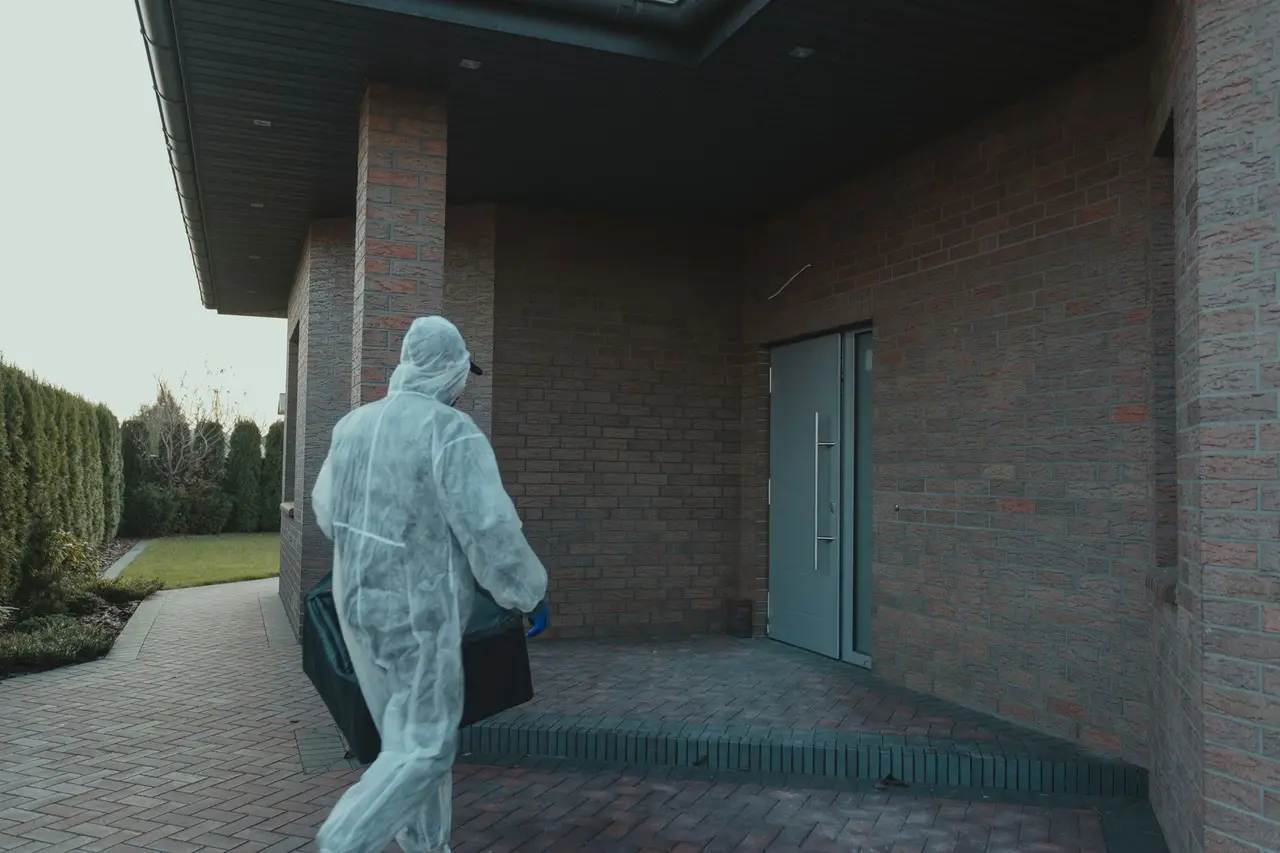
We work in occupied apartments and condos every day. Our team protects your furniture and keeps the job clean.
- Mold behind bathroom vanity
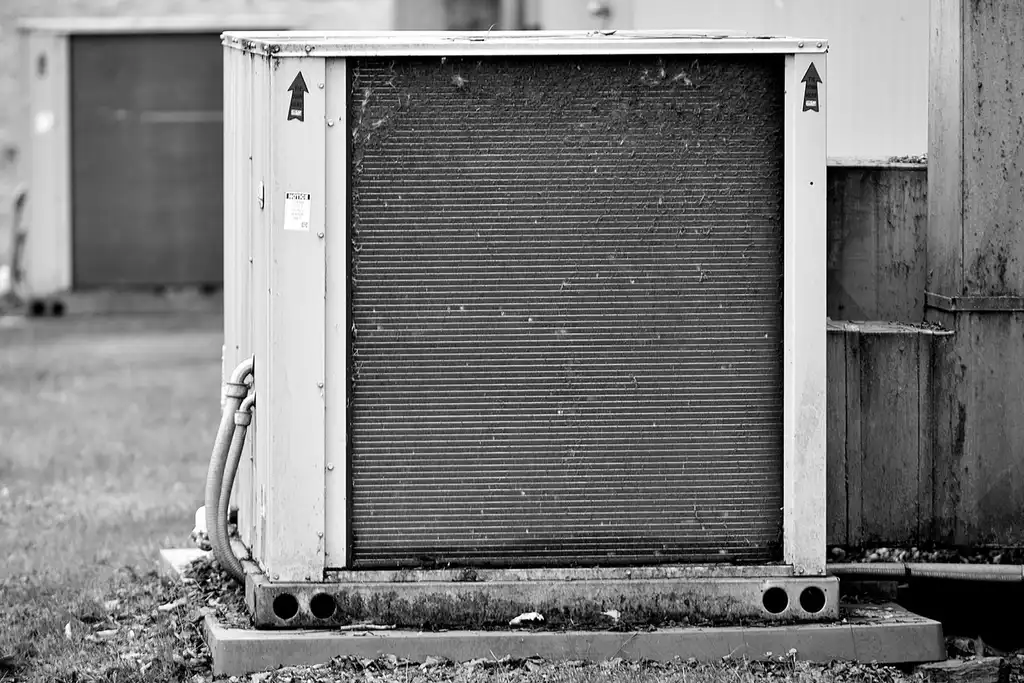
- Musty smell in AC closet
- Ceiling stain from roof leak
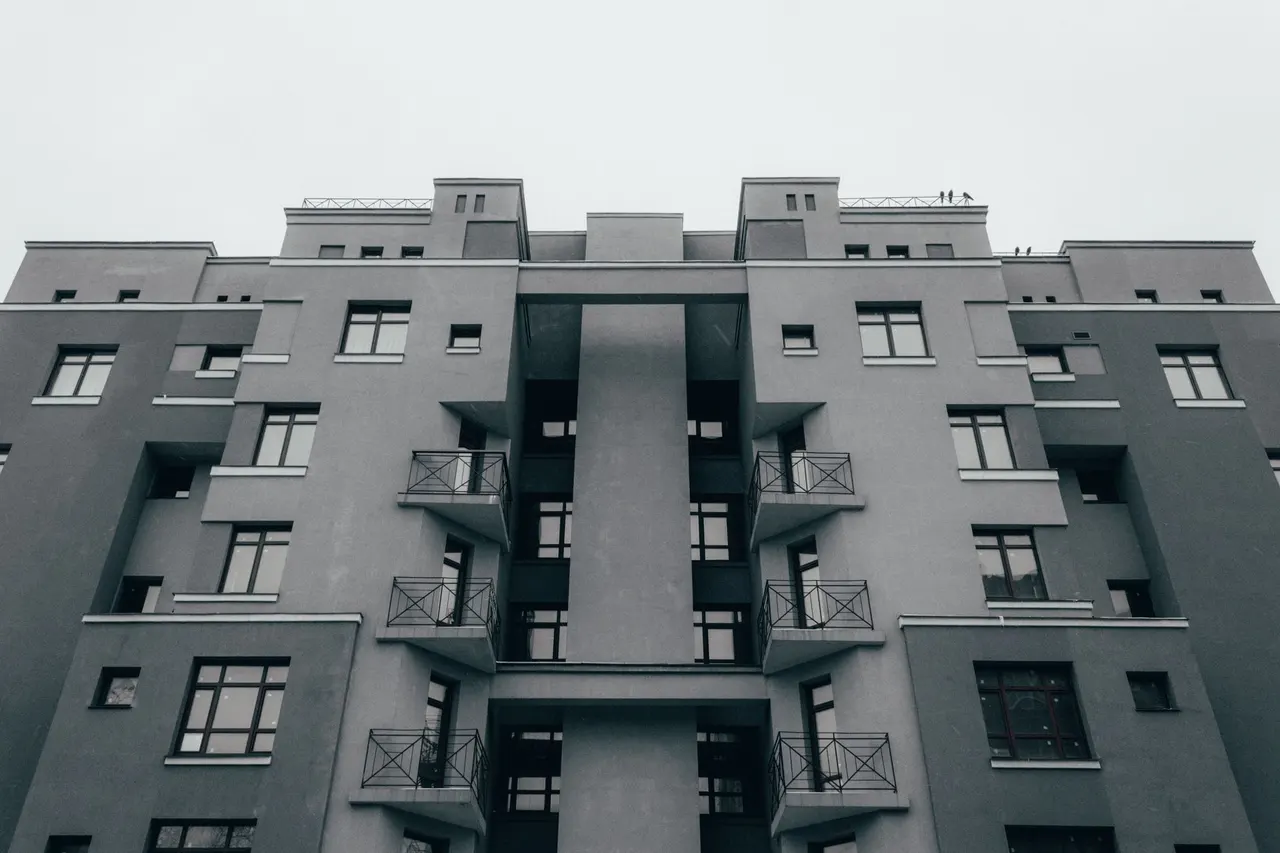
Apartment and Condo Mold Remediation in Dallas is what we do for renters, unit owners, and property managers across Dallas County. Whether you are dealing with a leaking AC line in a high-rise or a musty closet in a 1920s fourplex, we locate the moisture source, contain the affected area, and remove mold without spreading spores to neighboring units. We work with tenants, landlords, and HOAs so the job gets done and stays done.
 Moisture mappingContainment setupHEPA filtration
Every apartment and condo mold remediation job includes inspection, containment, removal, treatment, and documentation. Here is what you get.
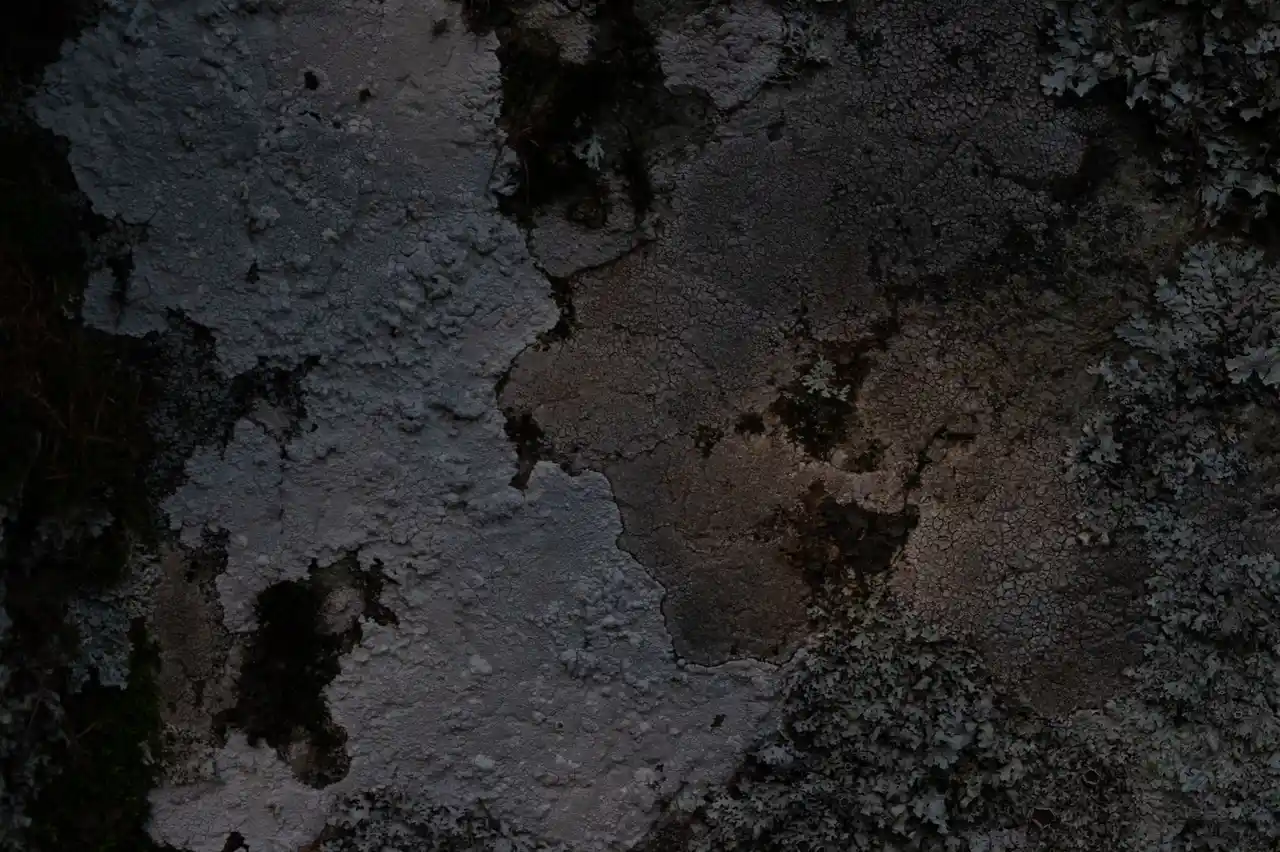
Thermal imaging, moisture meter readings, and air sampling to locate all mold and moisture in the unit.
Polyethylene sheeting, negative air machines, and HEPA air scrubbers to prevent cross-contamination.
Physical removal of mold from drywall, insulation, and framing. All debris bagged and disposed of properly.
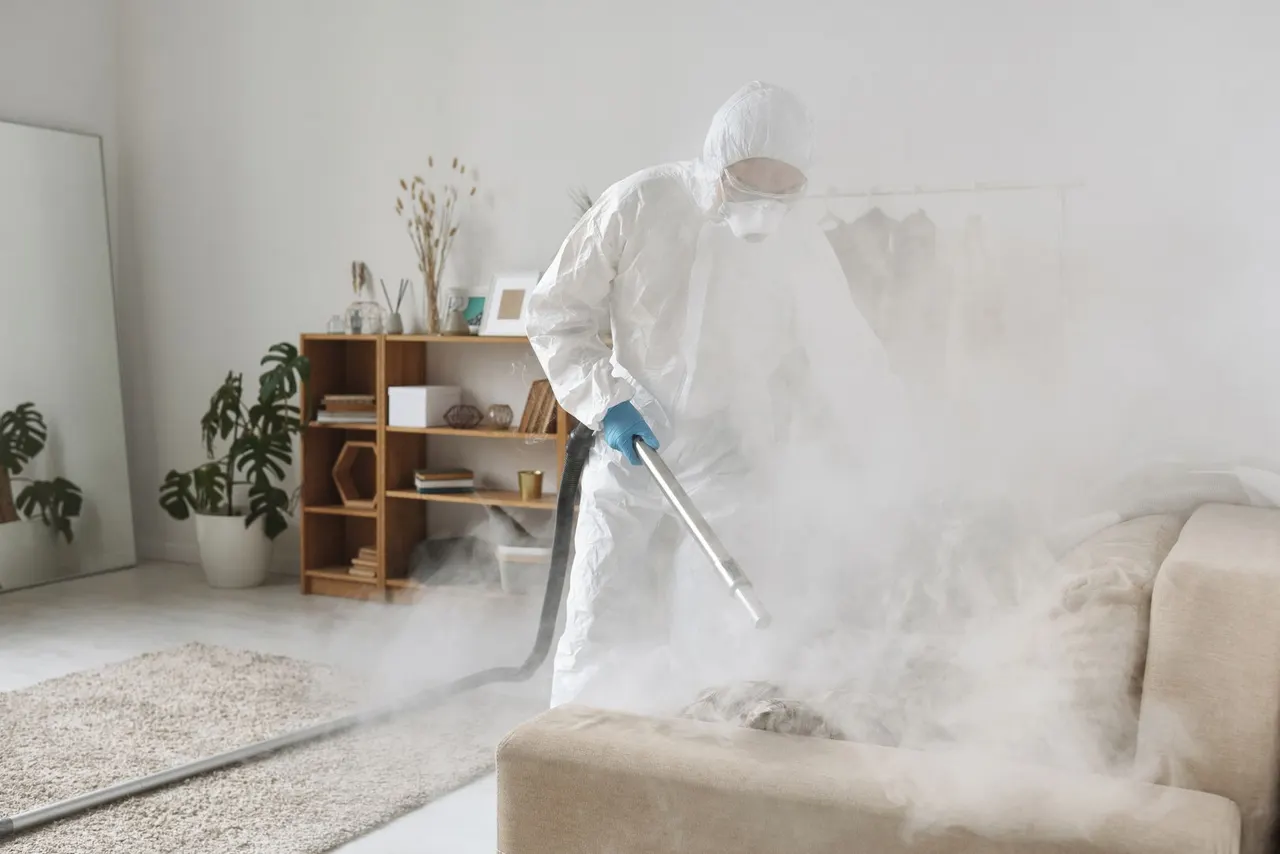
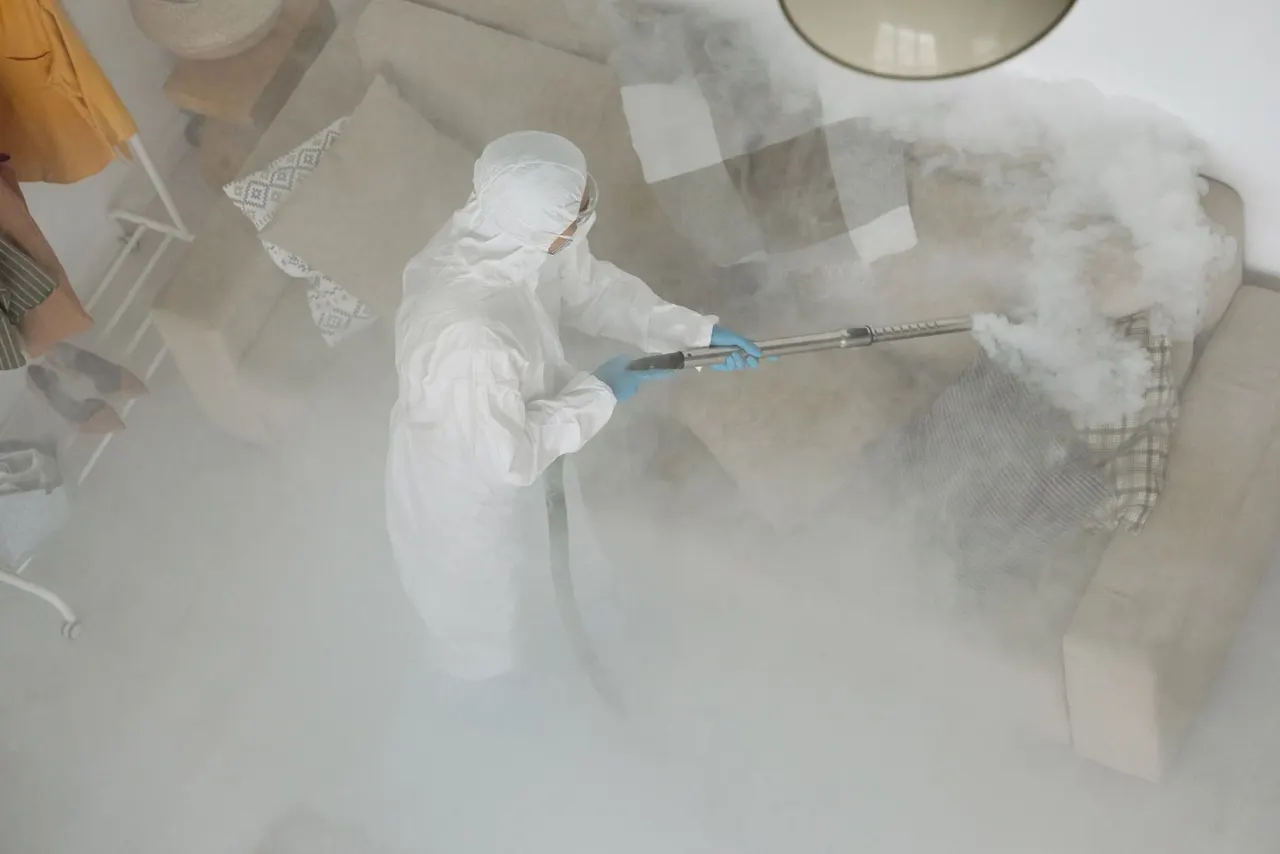
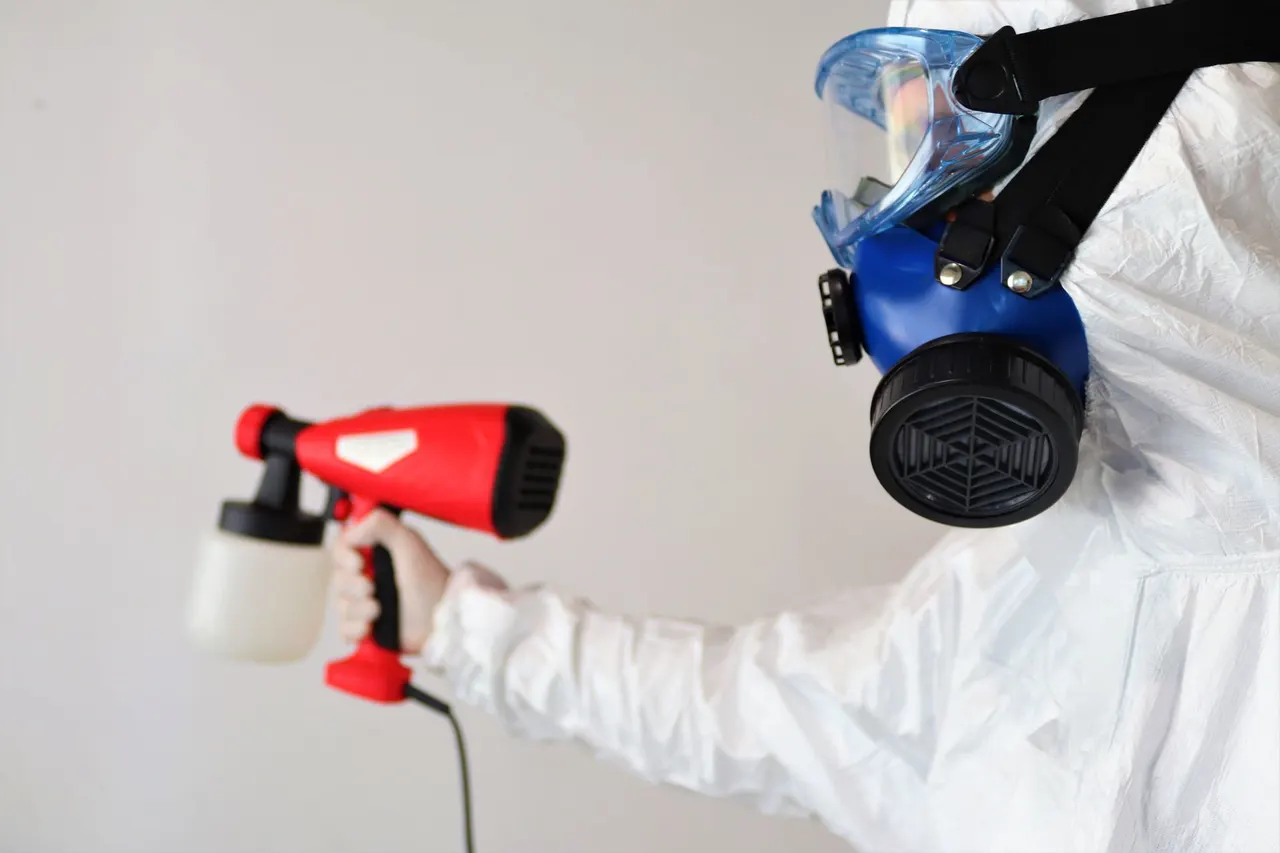
Application of EPA-registered antimicrobial spray and fogging to kill remaining spores on surfaces.
Application of encapsulation coating to framing and structural surfaces to seal and prevent future growth.
Photo log, moisture readings, and lab results provided in a report you can share with landlords or HOAs.
The approach is the same for a home and a business. What changes is the access, the schedule and who needs the paperwork.
We work in occupied apartments and condos every day. Our team protects your furniture and keeps the job clean.
We handle multi-unit mold issues with minimal disruption to residents. Documentation is provided for every unit.
A plain-language look at what Apartment and Condo Mold Remediation involves and when it is needed.
See how it worksApartment and Condo Mold Remediation in Dallas is the process of locating moisture intrusion inside a shared-wall or multi-unit building, containing the affected area, and physically removing mold growth from building materials. In condos and apartments, that means working around common walls, shared HVAC systems, and plumbing chases that run between floors. We use thermal imaging cameras to find hidden moisture behind drywall, moisture meters to confirm readings, and negative air machines with HEPA filters to keep spores from migrating into your neighbor's unit while we work.
Dallas renters and condo owners call us for the same handful of reasons: a slow plumbing leak under a kitchen sink, condensation dripping from an AC closet, a roof leak that soaked ceiling drywall, or high humidity that never dropped below 60 percent all summer. If you have been searching for apartment mold remediation near me Dallas TX, the first step is a proper inspection. We test the air, check the moisture content of materials, and tell you exactly what is growing and why.
Mold in apartments and condos needs containment and documentation to protect all parties.
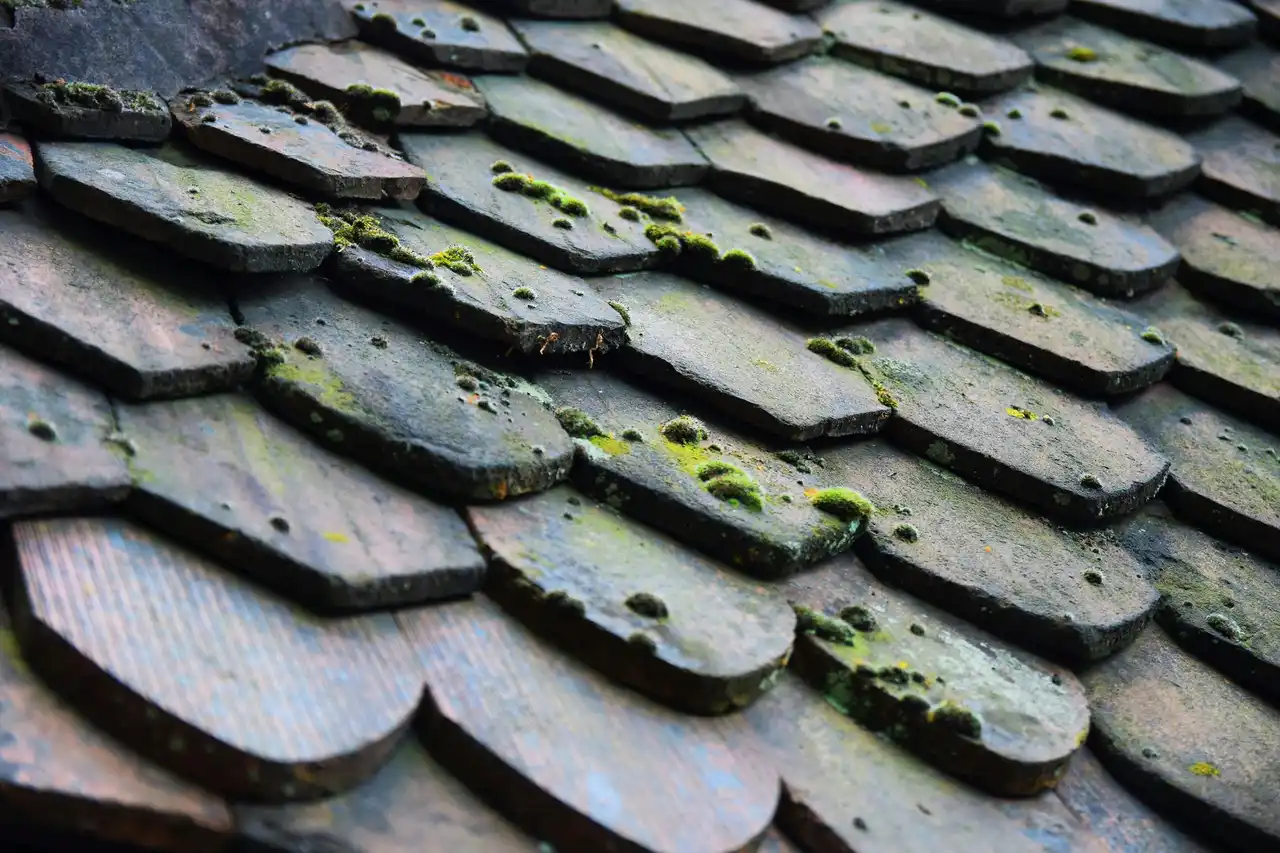
Five steps from your first call to a cleared unit. No surprises, no vague timelines.
We arrive with a thermal imaging camera and moisture meter to map every wet spot in the unit. Air samples go to a lab, and you get results in 24 to 48 hours. The inspection takes 45 to 90 minutes depending on unit size.
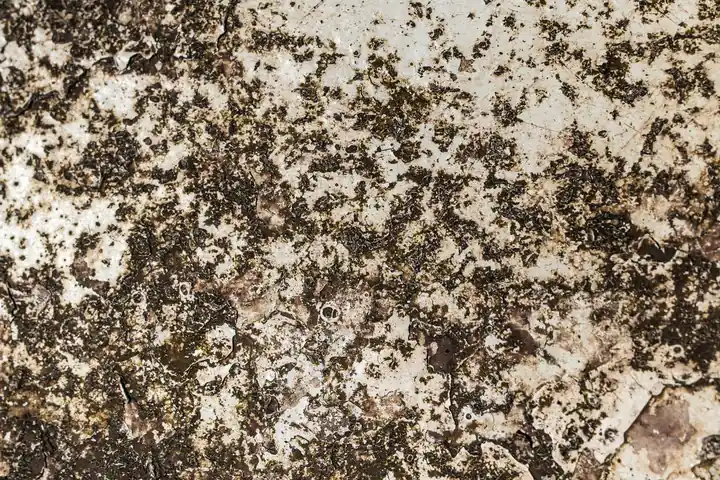
We seal off the affected area with polyethylene sheeting and duct sealant, then position negative air machines and air scrubbers with HEPA filters. This keeps spores from spreading to other rooms or adjacent units during removal.
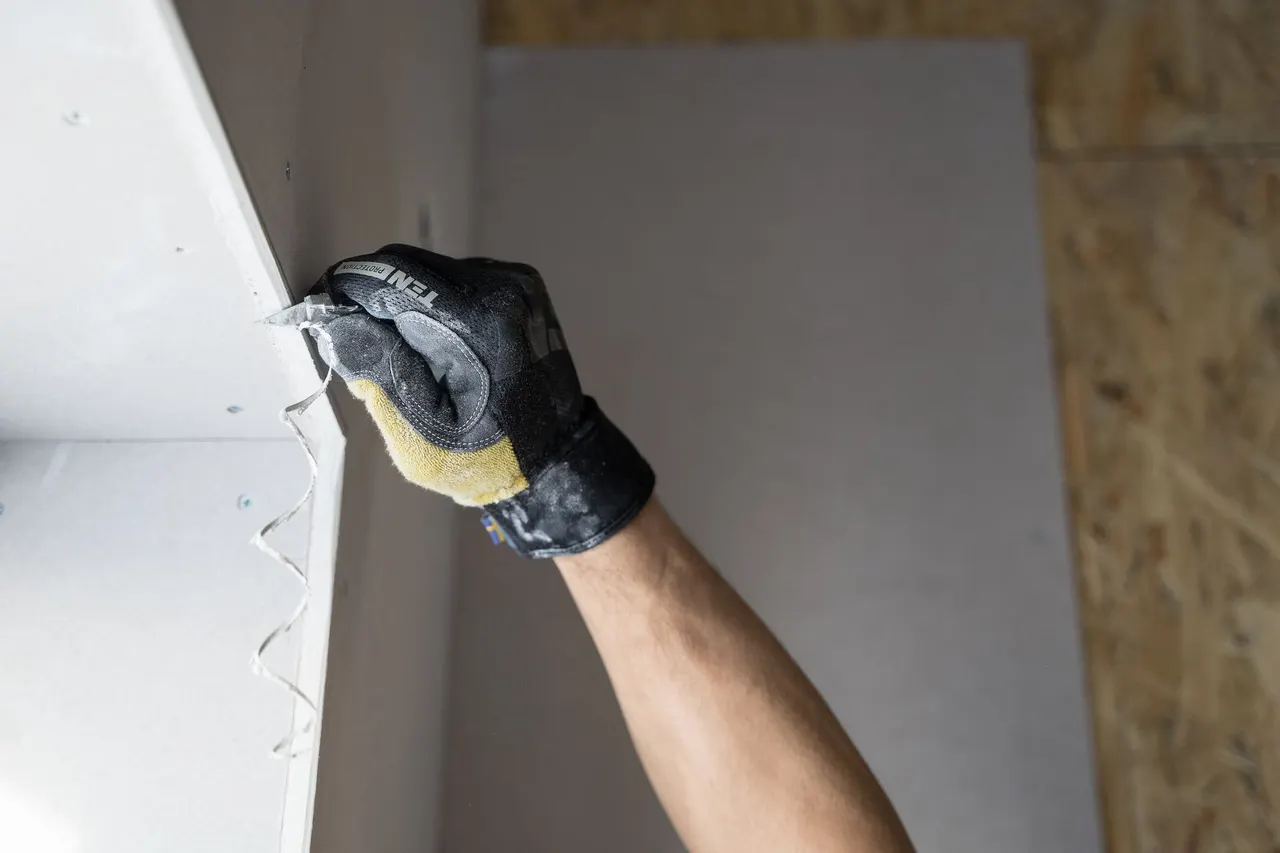
Using HEPA vacuums, boroscopes for wall cavities, and hand tools, we remove mold from drywall, insulation, and framing. Porous materials that cannot be cleaned get bagged and hauled out. We apply antimicrobial spray to every exposed surface.
We fog the area with products like Concrobium or Benefect, then apply an encapsulation coating to framing and structural surfaces. If drywall was removed, we install mold-resistant drywall and finish it to match.
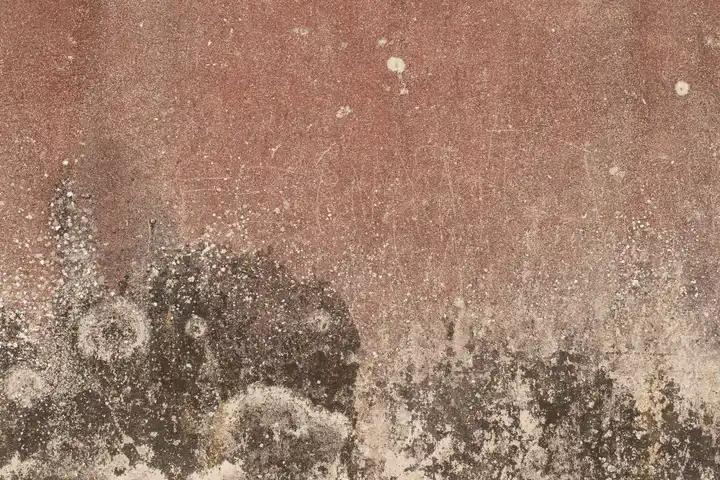
A final moisture check confirms everything is dry. We run post-remediation air samples if requested, then hand you a full photo log, lab results, and a written summary. Most units pass clearance on the first try.
Move across a circle, or focus it and press Enter, for an illustrative thermal view of the photograph.

Detects temperature differences to find hidden moisture behind walls and ceilings without cutting into them.
Measures moisture content in drywall, wood, and other materials to confirm the extent of water damage.
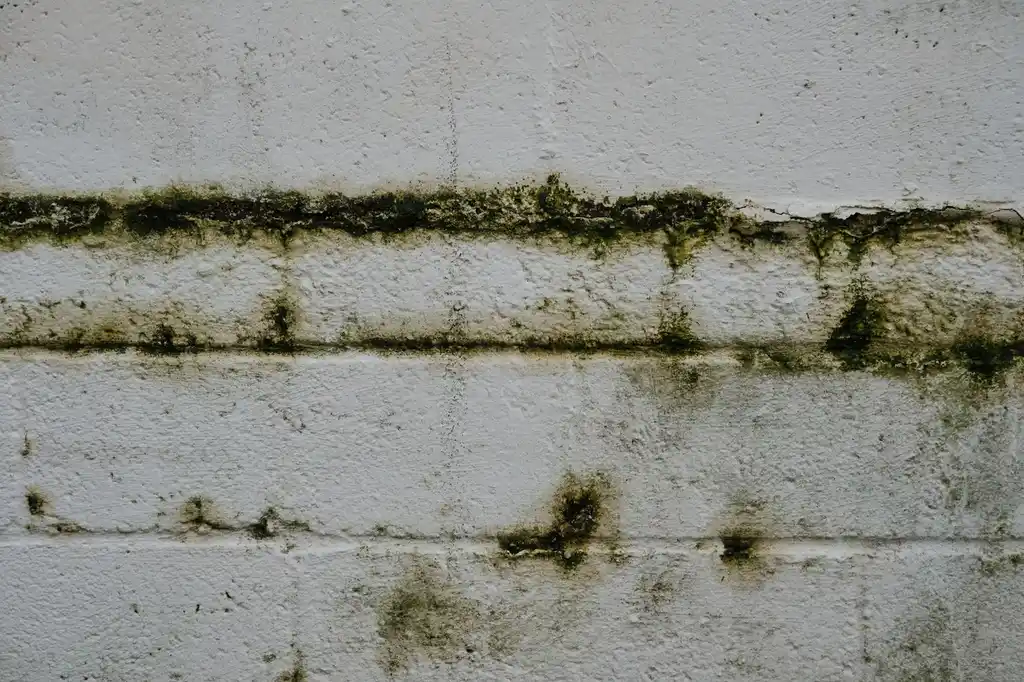
Creates negative pressure in the containment zone so spores cannot escape into other parts of the building.

Filters airborne mold spores and particles down to 0.3 microns, keeping the air clean during remediation.
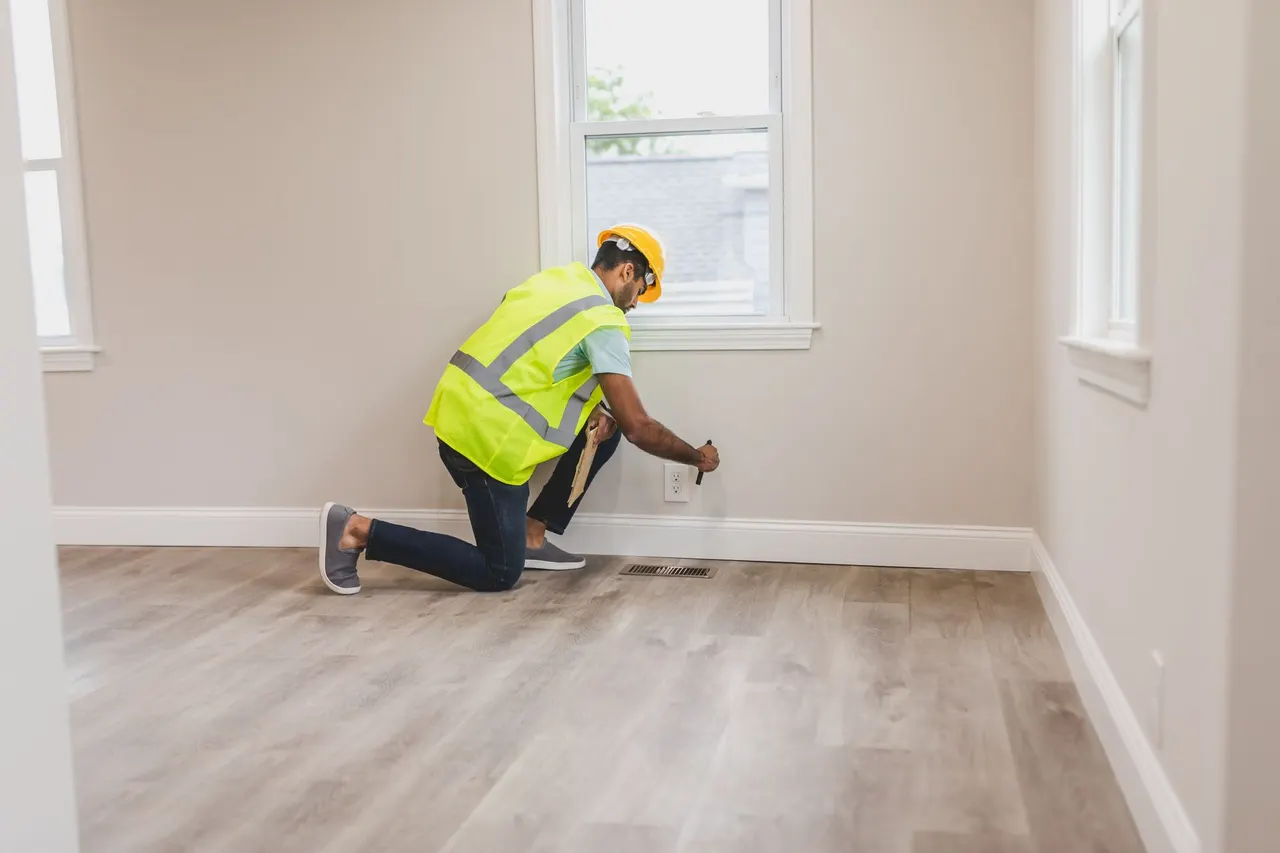
Allows us to see inside wall cavities and other hidden spaces without major demolition.
Thermal views are illustrative, generated from the photographs.
Applies antimicrobial treatments evenly across surfaces in the containment area.
We follow the IICRC S520 standard for mold remediation, which sets the industry benchmark for containment, removal, and clearance.
We seal off the work area and use negative air machines to prevent mold spores from spreading to other units or rooms.
All surfaces in the containment area are HEPA vacuumed to remove settled spores before and after treatment.
We use foggers to apply products like Concrobium or Benefect to all exposed surfaces, killing remaining spores.
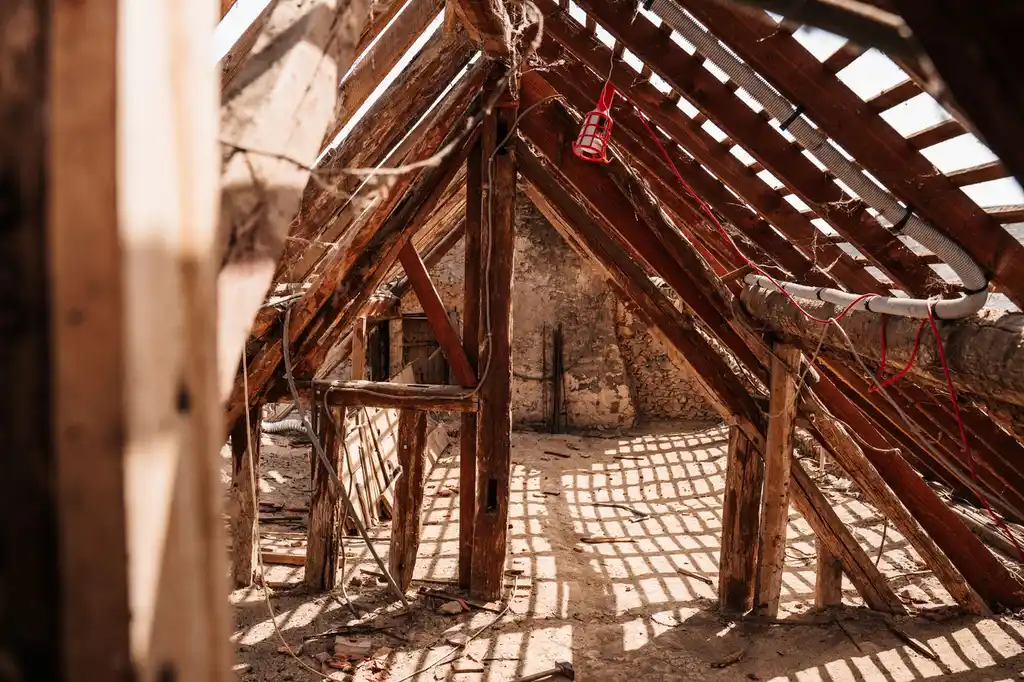
You notice a musty smell in your apartment but cannot see mold.
We inspect with thermal imaging and moisture meters to find hidden mold behind walls or under floors. We test the air and tell you exactly what is growing.
Outcome: You get a clear answer and a plan to fix it, even if the mold is out of sight.
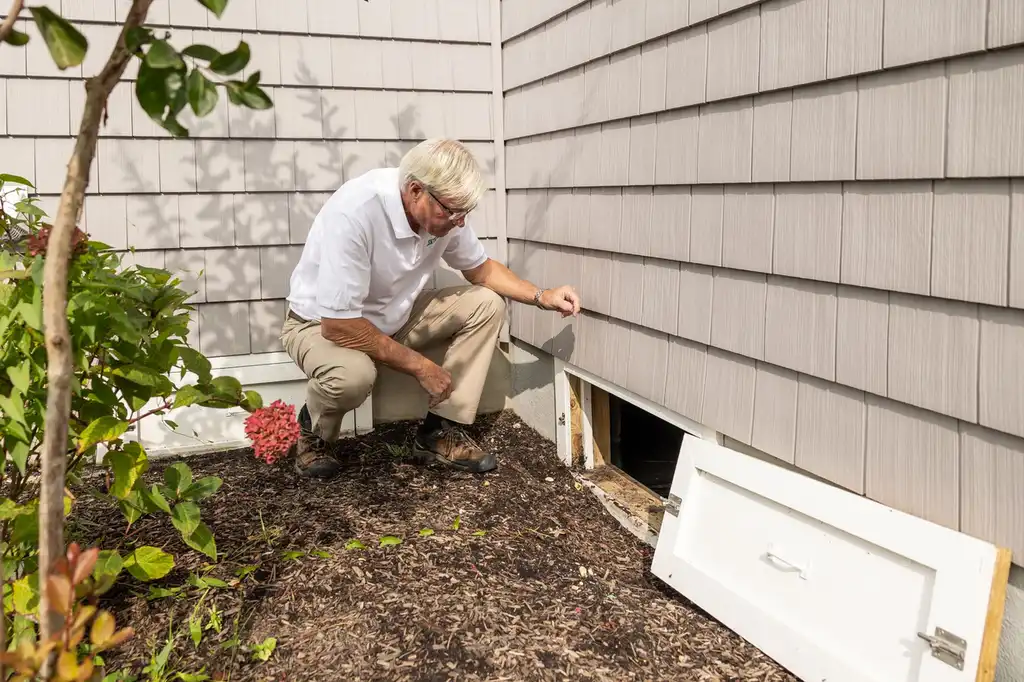
Your landlord has not responded to your mold complaint.
We provide a professional inspection report with photos, moisture readings, and lab results. You can attach it to your written notice to your landlord.
Outcome: You have documentation that shows the mold is real and needs professional remediation.
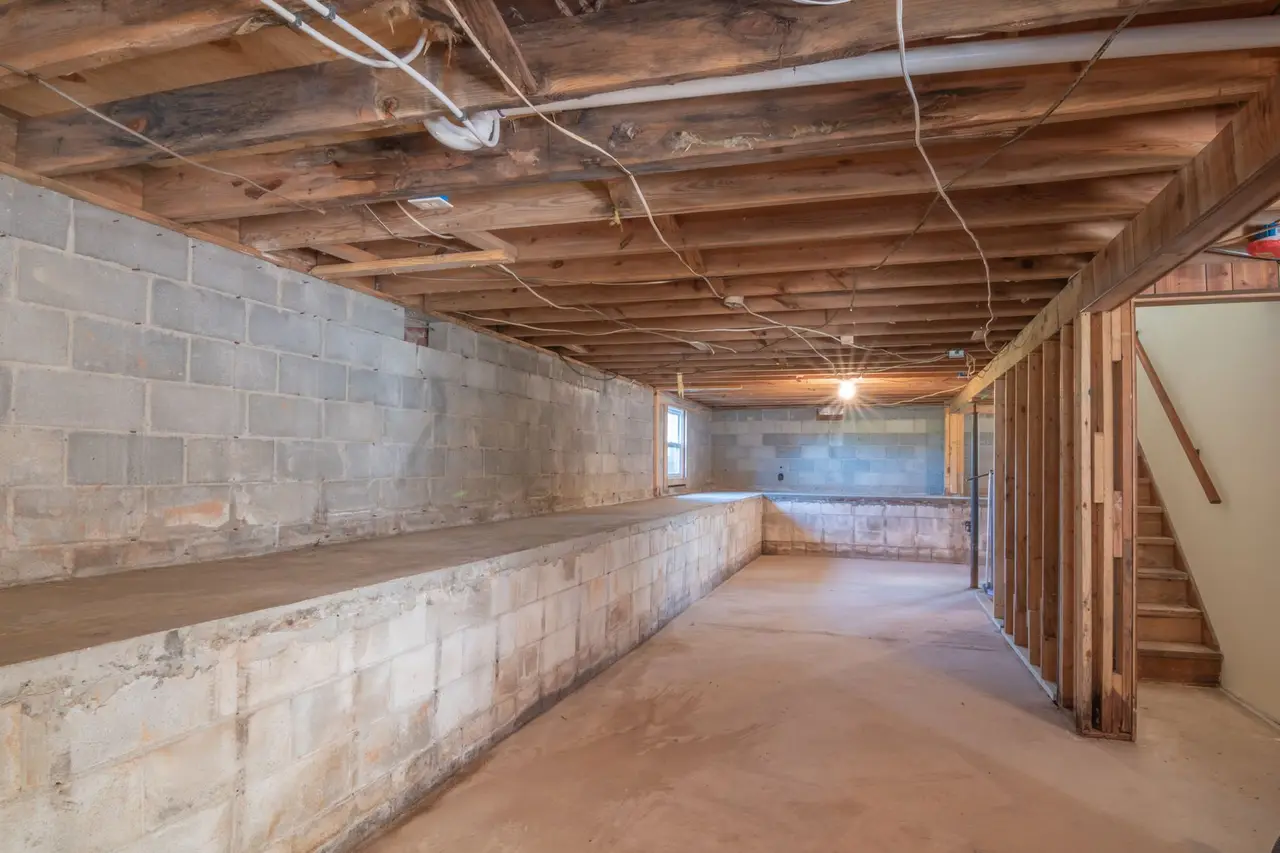
A pipe burst in the unit above yours and water soaked your ceiling.
We respond same-day, set up containment, and remove mold from the affected ceiling and walls. We also check for moisture in adjacent areas.
Outcome: Your unit is dried out and mold-free, and you have a report for your insurance claim.
You are buying a condo and the inspection found mold in the attic.
We perform a full inspection, provide a remediation estimate, and can complete the work before closing if needed.
Outcome: You know exactly what you are dealing with and can negotiate the sale with confidence.
Dallas has a mix of building types, from pre-war fourplexes in Oak Cliff to new high-rises in Uptown. Each has its own mold risks. Older buildings often have galvanized pipes that leak slowly behind walls. Newer high-rises have tight envelopes that trap humidity from showers and cooking. Our summers push humidity above 70 percent for weeks, and that moisture finds its way into AC closets, bathrooms, and kitchens. We know where to look because we have worked in these buildings for 11 years. If you need mold removal for apartments Dallas Texas, we bring the right tools and experience to handle any Dallas building type.
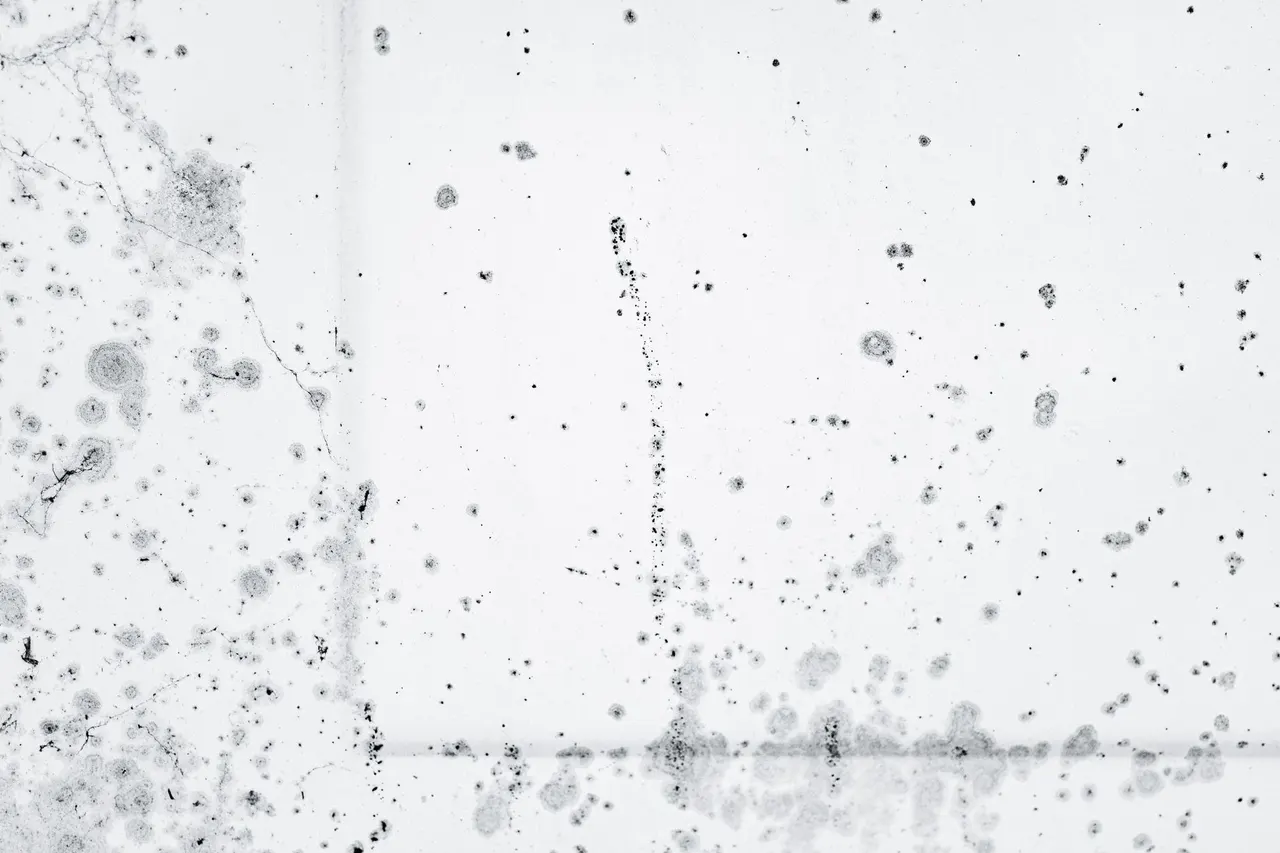
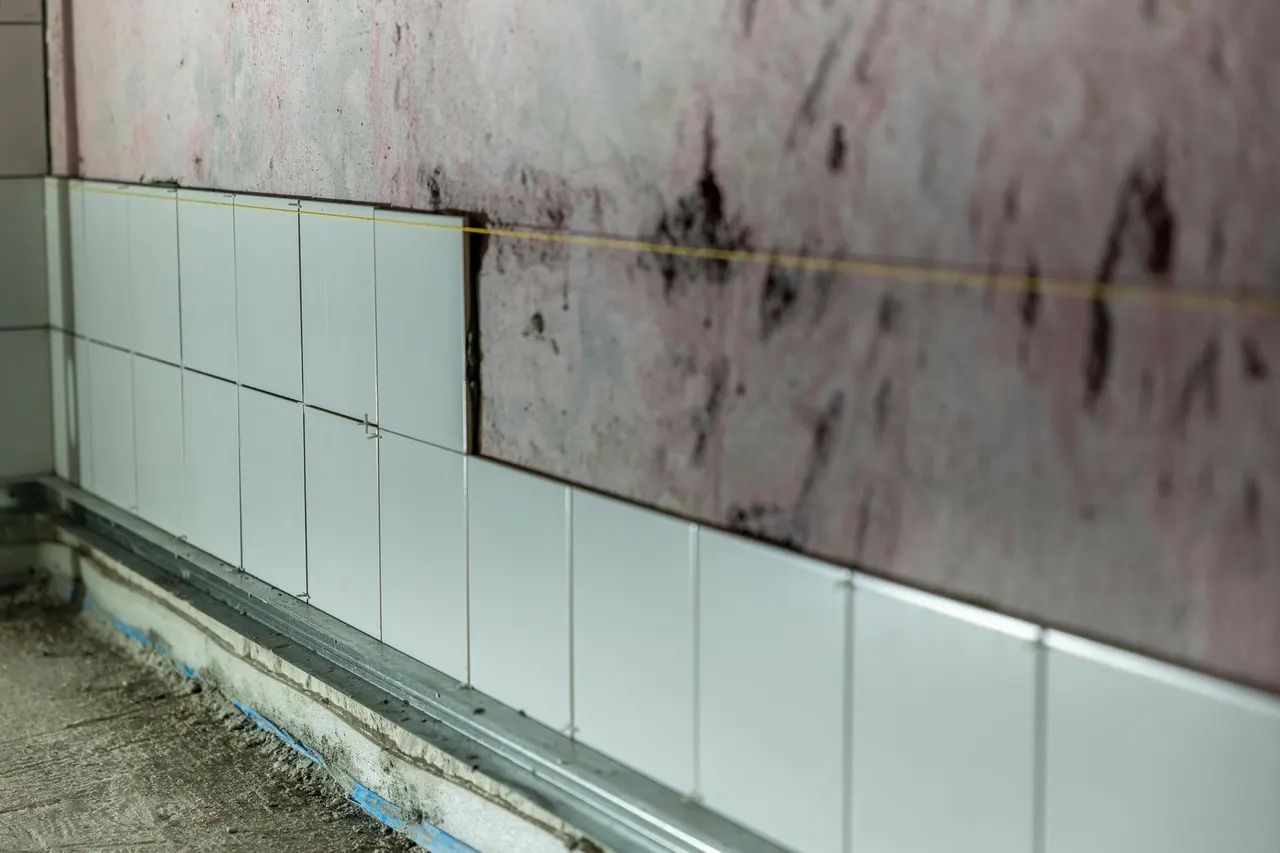
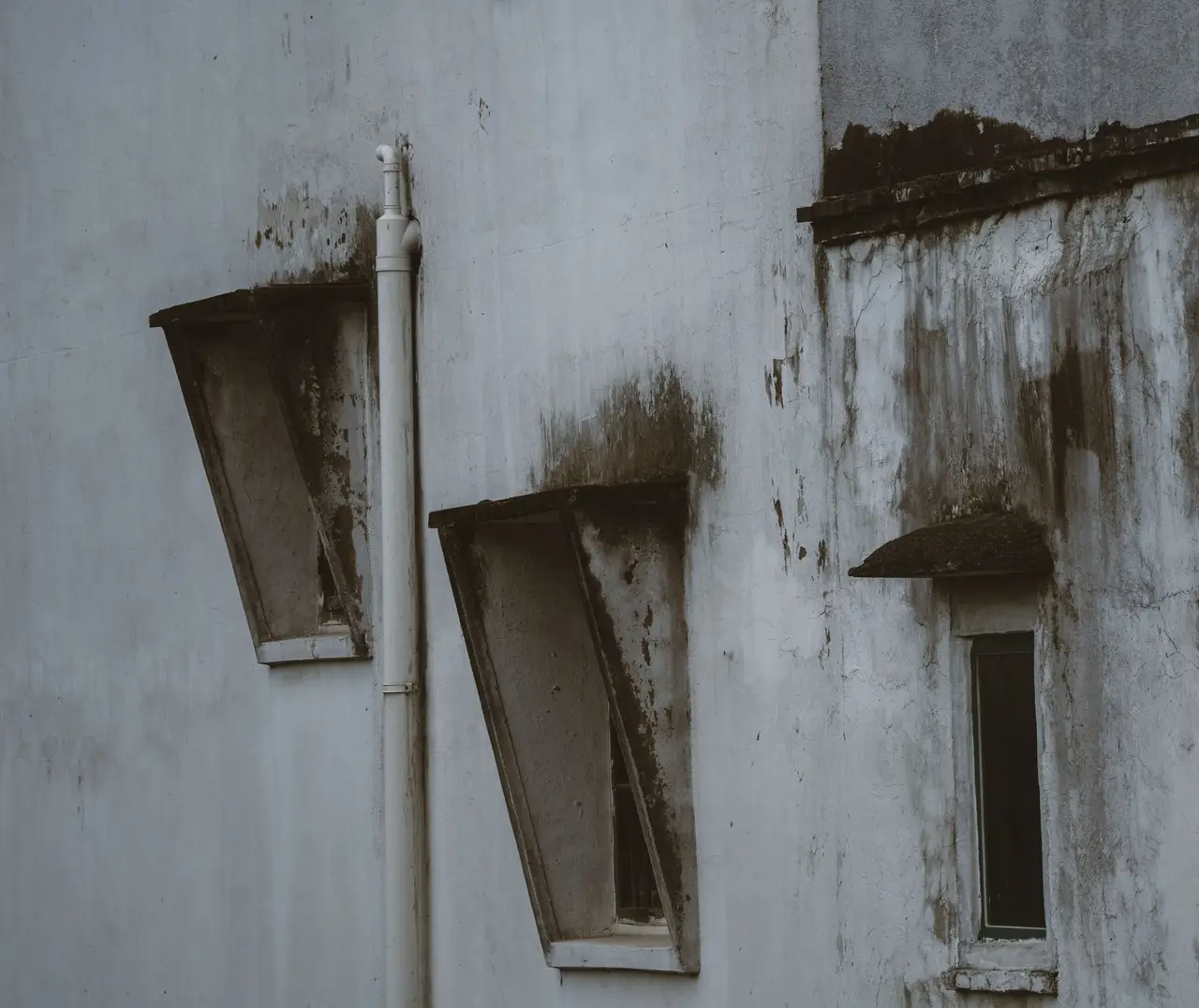
Before: A slow leak under the vanity soaked drywall for months. Black mold covered the back of the cabinet and spread to the baseboard. The tenant had been complaining of musty odors for weeks.
After: We removed the vanity, cut out affected drywall, treated the framing with antimicrobial spray, and replaced the drywall with mold-resistant board. Air samples confirmed zero mold spores after remediation.
Fix the leak source immediately. Check under sinks monthly for moisture. Run the exhaust fan during showers.
Before: Condensation from the AC unit soaked the closet floor and walls. Mold grew on drywall and insulation. The smell spread through the unit every time the air ran.
After: We cleaned and sanitized the AC closet, removed moldy drywall and insulation, and applied encapsulation coating. We also cleared the condensate drain to prevent future moisture.
Pour a cup of bleach down the condensate drain monthly. Keep the closet door open for airflow. Schedule annual HVAC inspections.
Before: A roof leak during a storm soaked the ceiling in a top-floor condo. Brown water stains appeared, followed by mold growth. The HOA was slow to approve repairs.
After: We documented the moisture source, contained the area, removed moldy drywall, and treated the framing. We installed new mold-resistant drywall and finished it to match. The unit passed clearance.
Inspect your roof after every major storm. Report leaks to the HOA immediately. Keep gutters clear to prevent water backup.
Mold in multi-unit buildings creates unique problems. Here are the ones we handle most often.
A dry, mold-free unit with documentation you can use.
Every job includes photo logs, moisture readings, and a written summary you can hand to your landlord or HOA. If you need landlord mold remediation Dallas TX, our documentation gives them everything required to approve the work without a back-and-forth.
We seal doorways and HVAC vents with polyethylene sheeting and run air scrubbers with HEPA filters for the entire job. Spores stay in the work zone. Your neighbors in the next unit never see dust or smell musty air coming from your place.
Killing surface mold without fixing the moisture is a waste of money. We trace every leak back to its origin, whether that is a failed supply line, a clogged condensate drain, or a roof flashing issue, and we tell you what needs to be repaired before mold can return.
Most apartment mold cleanup Dallas Texas jobs take one to three days from inspection to clearance. We schedule around your work hours, protect your furniture, and leave the unit clean enough to sleep in the same night.
Clear records you can keep and share.
Before, during, and after photos.
Recorded readings from affected materials.
Scope of work and clearance statement.
Mold in apartments and condos spreads differently than in single-family homes. Shared walls and HVAC systems require extra containment.
Growth on non-porous surfaces like tile or metal.
Growth inside porous materials like drywall and insulation.
Spores circulating through HVAC and shared spaces.
A list like this tells people straight away whether you cover their street. Not listed? Call and ask: it only takes a minute.
Based in Dallas and covering the places around it. Pick one for local details.
In Texas, the landlord is generally responsible for fixing mold caused by a building defect or plumbing leak. If the mold is from your own negligence, like leaving a window open during a storm, responsibility may shift to you. We document the moisture source so responsibility is clear. Our report shows exactly where the water came from and what caused it.
We give you a fixed price before we start.
Texas law allows you to terminate a lease if the landlord fails to fix a condition that materially affects health and safety after written notice. Mold that makes the unit uninhabitable can qualify. We provide documentation you can attach to your written notice. Consult a tenant rights attorney for legal advice specific to your situation.
Send a written notice to your landlord or property manager describing the mold, its location, and any visible water damage. Include photos and a date. If they do not respond within a reasonable time, typically 7 to 10 days, you can escalate. Our inspection report gives you professional documentation to include with your notice.
Other services from the same team.
If you are dealing with mold in your unit, call us at (214) 817 0145. We offer same-day inspections and written pricing before work begins.
Call (214) 817 0145 or email info@dallasmoldremediation.com to schedule an inspection. We answer the phone Monday through Friday, 8:00 AM to 6:00 PM, and we return after-hours messages first thing the next morning. Same-day inspections are available across Dallas County when you call before noon.